A 400-Yuan Photo Shoot in Macau Ended in Arrest for Two Mainland Students
A mainland student hired a photographer she found on a social platform for a Golden Week shoot in Macau, at 400 yuan an hour. A police patrol caught the handover of cash; one woman now faces prosecutors and the other the labour bureau, and Macau is drafting rules that would reserve tourist-site photo work for local residents.
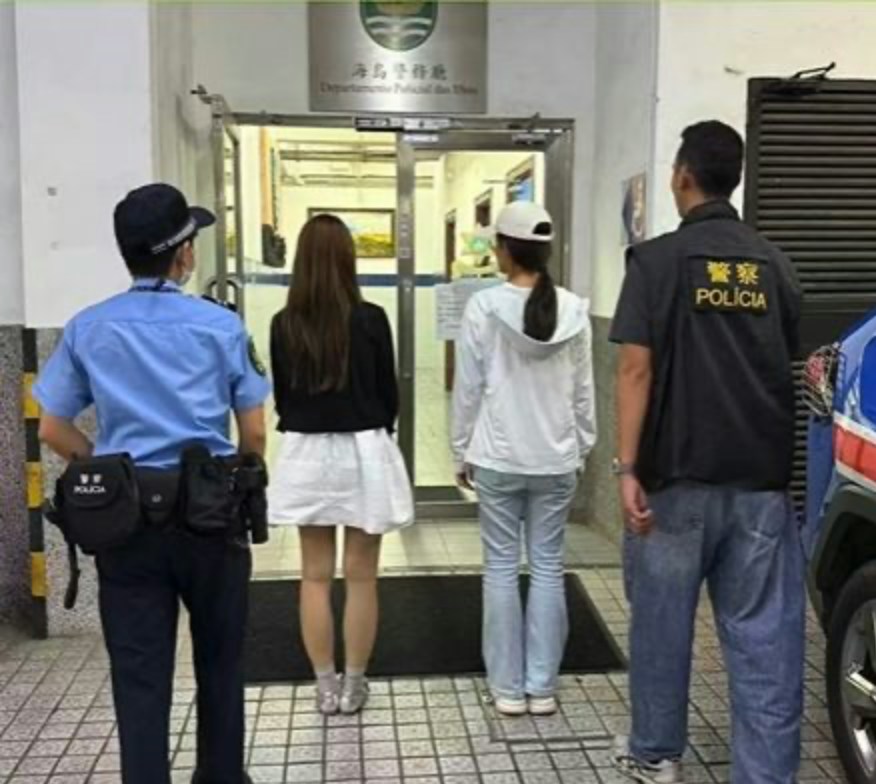
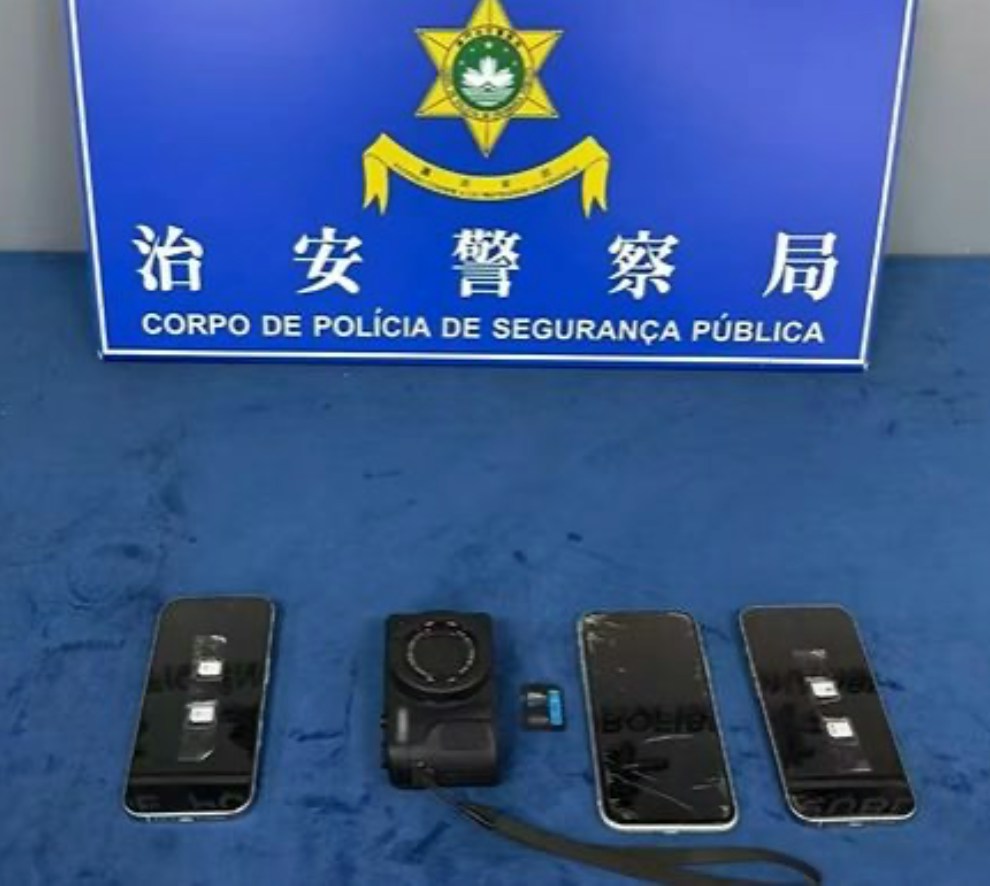
On the evening of October 1, with the Golden Week holiday at full tilt, patrol officers on Macau's Cotai connection road noticed two young women taking photographs — with a cash payment changing hands beside them. The officers stopped them and, as the Dahe Daily reported, seized a camera and three mobile phones: the working kit of a travelling photographer.
The arrangement behind the seizure had been put together entirely online. A 20-year-old student from the mainland, herself in Macau as a tourist, found a 21-year-old photographer on a social platform, agreed on 400 yuan an hour, and brought her across the border to shoot her and her friends over the holiday. The two had never met before that evening. Both are now in the machinery of Macau's legal system: the student who did the hiring is suspected of the city's crime of hiring in breach of the rules and has been referred to the Public Procuratorate, while the photographer, who entered on a tourist permit, has been handed to the labour affairs bureau under the law governing non-local workers.
To a mainland reader, the charges can sound baffling — paying a photographer for an afternoon is unremarkable at home, and one much-shared reaction asked the obvious question: it is just taking photos, does it really come to this? A lawyer who commented on the case, Zhou Zhaocheng of Beijing Anjian Law Firm, drew the line for Qianjiang Video: mainland habits do not carry across the border, and a tourist endorsement covers sightseeing only. Photographing yourself is tourism; paying a stranger to photograph you is work — and work requires a permit Macau does not issue to visitors.
The trade in question is a fixture of Chinese travel. On Xiaohongshu and similar platforms, travel-photography vendors sell costume, makeup and a photographer by the hour at the landmark of your choice, and on the mainland it runs largely beneath any regulatory radar — most customers have never thought of it as employment at all. Macau is the one Chinese jurisdiction where that boundary between tourism and work is actively policed, and where the vocabulary of the case — "non-local workers", "illegal employment" — makes the trade sound like what the law says it is.
The city now wants to regulate the trade rather than only catch it. A proposed revision of Macau's rules on specific businesses would bring paid photography at tourist sites into a registration system open to Macau residents only, beginning with the most photographed corners — the Ruins of St Paul's and Senado Square. Under the draft, the same 400-yuan shoot would be legal only with a locally registered photographer behind the camera: a rule that describes, precisely, what the two students did not have.