Silence for the 9.3-Rated Winner, Applause for the 6.7-Rated One: China's Film Awards Face a Credibility Question
Two acceptance moments at the Golden Rooster Awards — a motionless room for a beloved screenplay, a standing ovation for a 6.7-rated film's director — have become the ceremony's real story, and the industry's answer has only sharpened the argument.
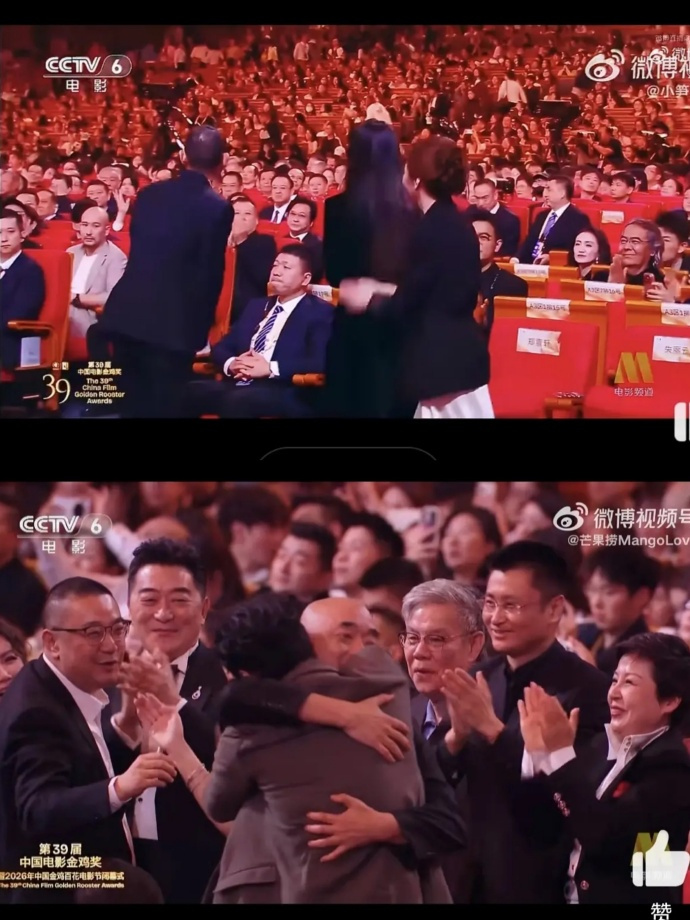
At China's leading film awards, the verdict that mattered arrived not from the jury but from the camera: one winning team rose to a silent room, and another to a standing ovation. The clips come from the November 10 ceremony of the 39th Golden Rooster Awards in Xiamen — whose headline results we covered when the list was announced — and in the days since they have grown into the ceremony's real story.
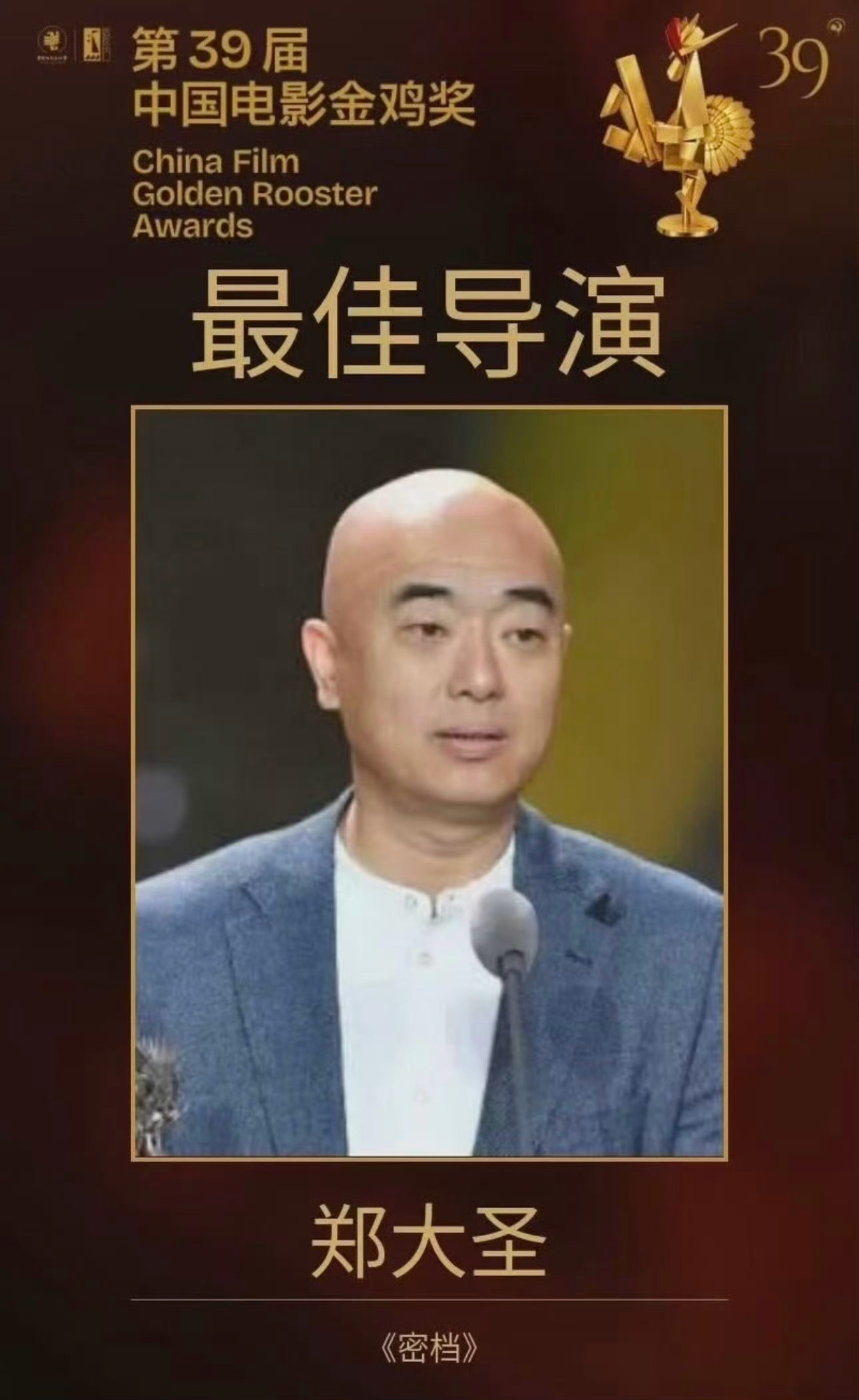
The post that set the frame, liked more than 7,000 times, describes the pairing. When "A Letter to Grandma" (给阿嬷的情书) won best screenplay, its three creators stood to collect the award from an auditorium the writer likened to people "waiting for an elevator": seated, expressionless, silent. When director Zheng Dasheng was called for best director with "Mi Dang" (密档, "The Secret Files"), the same room rose, clapped and embraced him. "Put the two shots side by side," the post concludes, "and the industry's social heat map is laid bare."
The anger has a scorecard attached. "A Letter to Grandma," a drama about a young woman and her late grandmother, sits at 9.3 on Douban with a global box office its supporters put at 2.1 billion yuan; "Nanjing Photo Studio," the year's biggest home-grown hit, rates 8.7. "Mi Dang" carries a 6.7 on Douban and, as one widely shared post tallied it, about 20 million yuan in ticket sales — "and the room stood up to applaud and hug," the post continues. Zheng Dasheng is no unknown: a veteran art-film director whose earlier feature "Yi Ben Shi Gao Shan" (我本是高山), the posts note, has yet to open a Douban score at all.
The reading most commenters settled on is dynastic: that the film establishment votes for its own. The tallying post argued the industry "has long run like a hereditary guild," and the same viral thread concluded the old circles are being swept aside by short dramas regardless — a claim that says less about the awards than about where the audience has gone, in a market where nine in ten new short dramas are now AI-made. On Zhihu, a question asking how the upset happened sat third on the day's board.
The industry's answer came through The Paper, which gathered insiders to defend the list: the winners reflect a year in which new filmmakers broke through and ordinary lives reached the screen, the argument ran, and artistic judgment should not be displaced by "momentary traffic heat" (The Paper). The Golden Rooster is a jury prize — the industry's own highest honor, distinct from the audience-voted Hundred Flowers — which is precisely why the room's silence reads as a statement: the people best positioned to applaud chose not to.
The result stands, and Zheng Dasheng keeps the trophy. What the next jury takes from a week in which the hall's silence became the story is the open question the clips leave behind.