Tony Leung Ka-fai Completes China's Acting Triple Crown at the Golden Rooster Awards
The 39th Golden Rooster Awards crowned Hong Kong veteran Tony Leung Ka-fai as only the second performer in Chinese-language film history to hold all three of the region's top acting prizes — and handed the Best Director award to a film nobody saw coming.
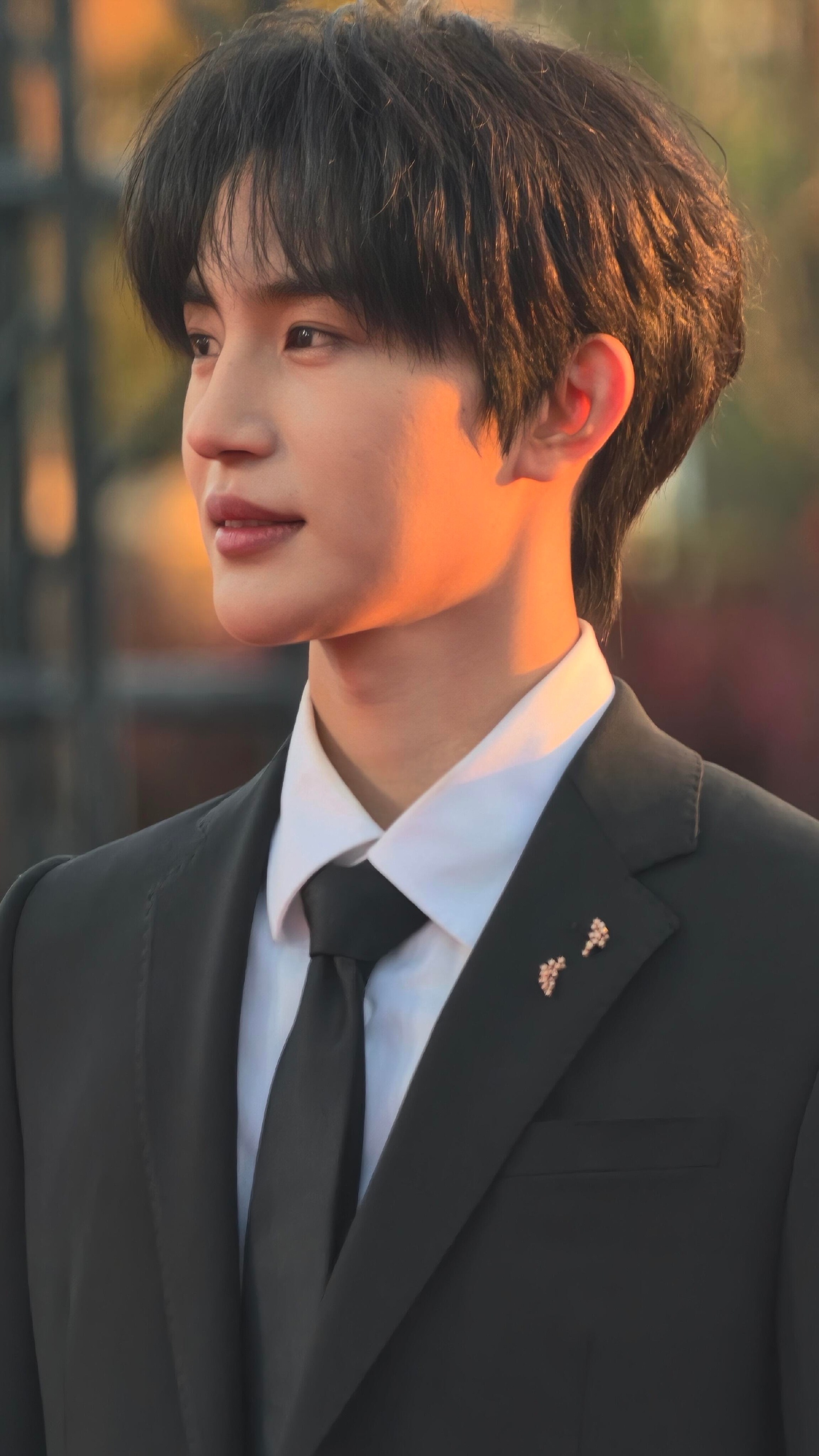
The 39th Golden Rooster Awards — the mainland's top film honors — were handed out in Xiamen on Monday evening, and the list that emerged has already made the ceremony the most argued-about event of the Chinese film year. The best-picture award went to Nanjing Photo Studio (《南京照相馆》), the summer hit built from the photographic record of the 1937 Nanjing Massacre; Gao Ye took best actress for her role in it; and best actor went to a 68-year-old Hong Kong veteran who had never even been nominated for this prize before.
That last result is the historic one. Tony Leung Ka-fai won for The Shadow's Edge (《捕风追影》), in which he plays an antagonist — the kind of part that the Rooster's juries were long assumed not to reward. One film blogger flagged the point before the announcement: the smart money said the prize should go to Leung on merit, but he was playing a villain, and 'the Golden Rooster has always been correct first, everything else is something else.' The jury proved him wrong in the nicest way. With the win, Leung became the second performer in the history of Chinese-language cinema to hold all three of the region's top acting prizes — the Golden Horse in Taiwan, the Hong Kong Film Award, and the Golden Rooster — after Tony Leung Chiu-wai. Weibo enjoyed the coincidence: both men who have done it are called Tony, and both are surnamed Leung.
The nomination shortlist drew unusually fast backlash over its snubs last month, and the winners list kept the argument going. When the jury named Zheng Dasheng best director for Hideaway the Dossiers (《密档》), a film sitting at 6.7 on Douban against 9.3 and 8.7 for the frontrunners, users who had assumed the slate was settled wanted to know how. One put it bluntly: 'A genuine upset. Wait, when did this film even come out?' (真是大爆冷!话说这个片子是什么时候上映的来着?) Another ran the director's file and found he had also made I Am the High Mountain — a film that has never opened its rating. The question went straight to Zhihu, where a thread on the full list collected the argument over whether the jury votes on merit or on something else.
Meanwhile the film that won the prizes everybody expected was one this site has already met. A Love Letter to Grandma (《给阿嬷的情书》) — the Chaoshan family drama whose October reputation fight became a debate about paid reviews and regional stereotypes — took the Jury Grand Prix and Best Screenplay, a reception that lands awkwardly on the same film that was being called 'regional dregs' six weeks ago.
Gao Ye's win, for playing photo-studio worker Lin Yuxiu in Nanjing Photo Studio, was the emotional center of the night. She has been in the industry for twenty years, most of them in supporting parts, and is best known to the public as 'Big Sister' (大嫂) — the crime-drama role that made her famous. Her acceptance speech, delivered through tears, was quoted by CCTV News: 'So this is what it feels like when a dream comes true' (原来这就是 梦想照进现实的感觉). 'Twenty years in the industry, and this is my moment of coming true.'
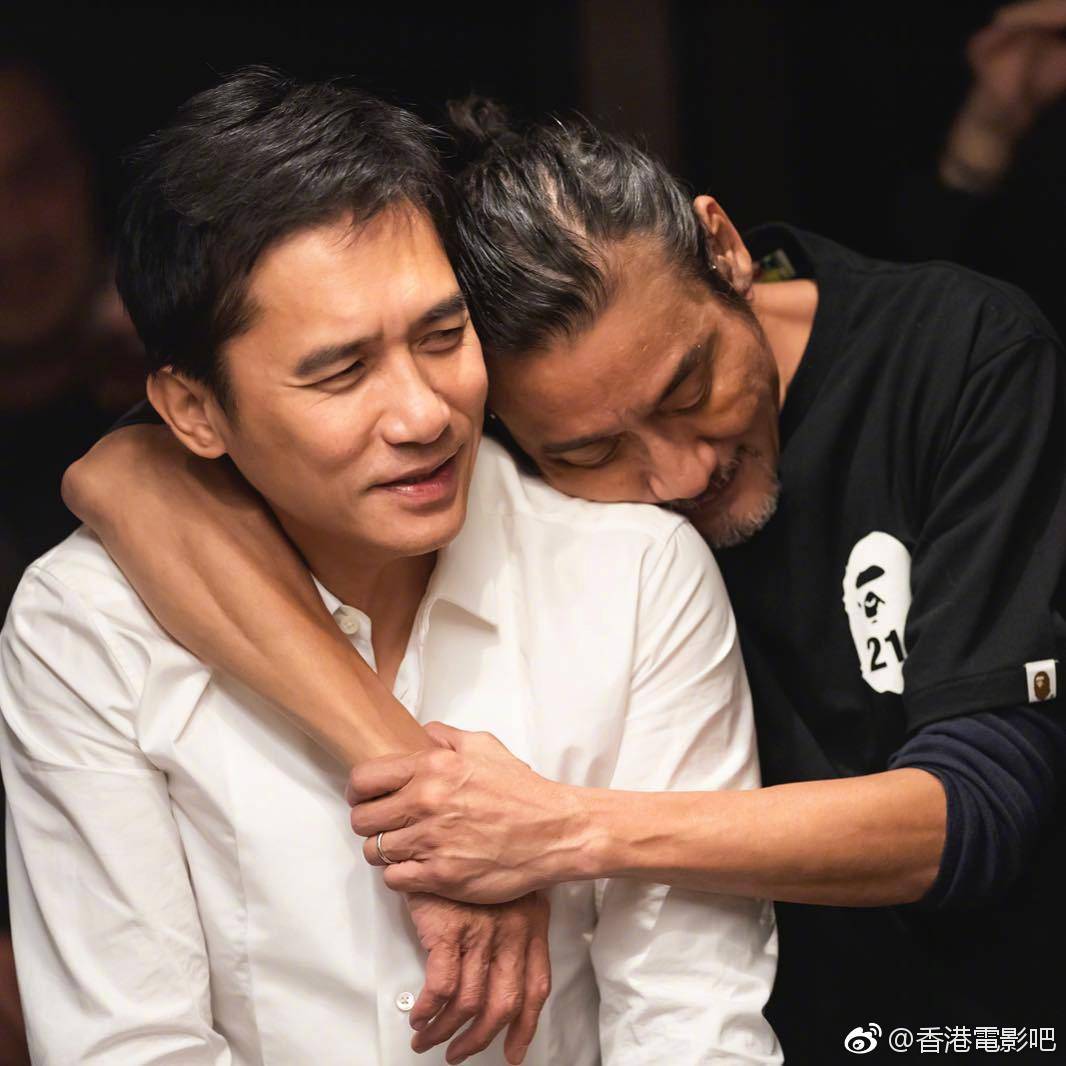
The best-picture award went to Nanjing Photo Studio over a field of commercial hits and festival favorites, and the film's director Shen Ao collected the statue from Zhang Yimou. That the year's biggest commercial success chose the Nanjing Massacre's photographic archive as its subject — and that the Rooster's jury chose it as the year's best film — is the clearest sign yet of where Chinese cinema's biggest hits are coming from: the war-history archive, told with a commercial camera.