Zhao Liying Sues the Operator of China's Biggest Short-Drama App Over an AI-Cloned Likeness
The actress's portrait-rights case against Hongguo, the short-drama app owned by Douyin's parent company, was heard in a Beijing court this week — a test of who answers when AI face-swapping puts a star's face on dramas she never made.
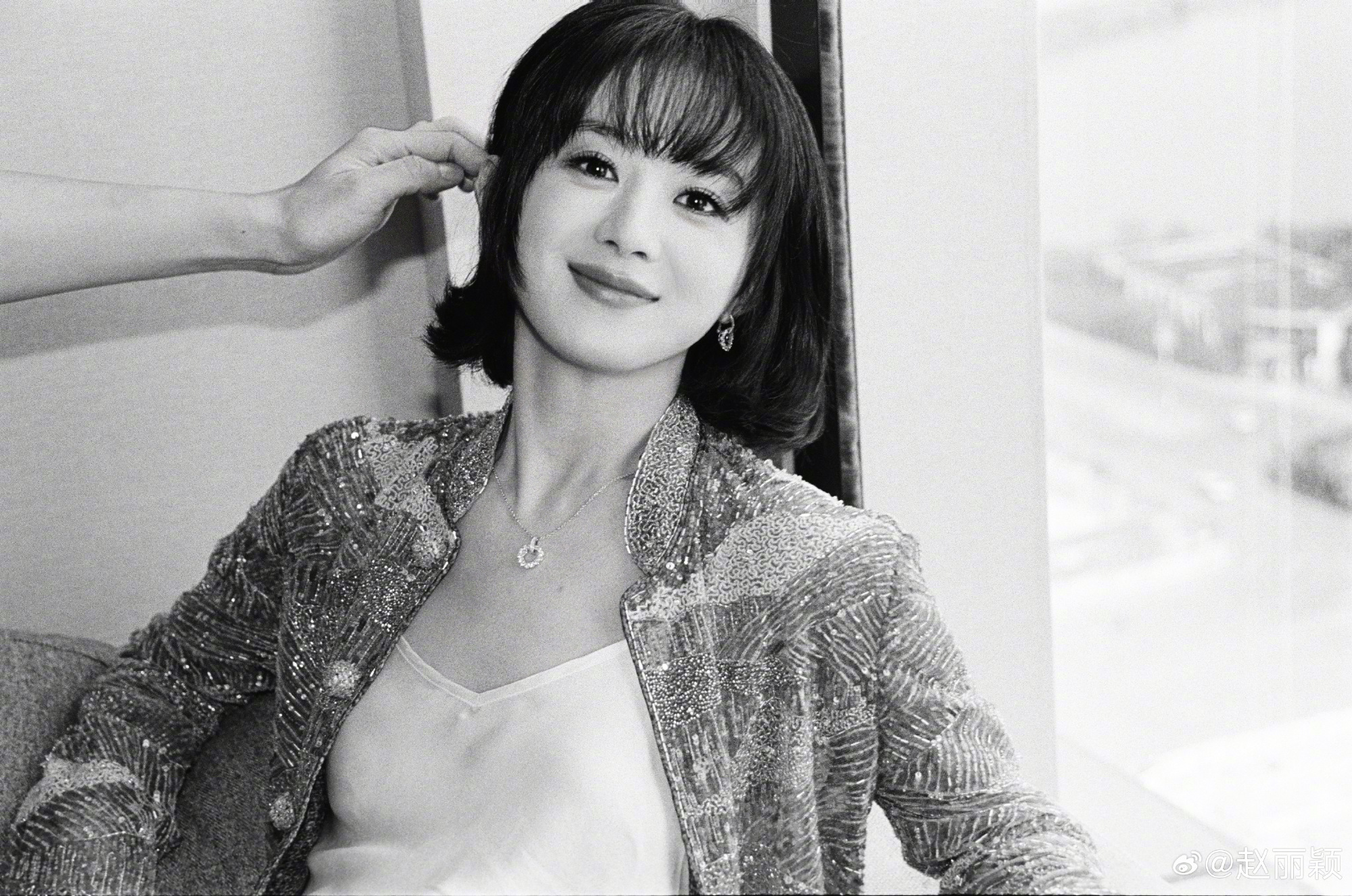
Zhao Liying, one of China's best-known television and film stars, is taking on the short-drama industry's most common trick. On November 10 her portrait-rights lawsuit against the operator of Hongguo was heard at Beijing's Mentougou District Court, with defendants including Beijing Bimo Liuxiang Technology, the app's operator; Beijing Douyin Information Service, its sole shareholder; and a named individual, according to court announcements cited by Dawa News.
The allegation is the practice known in Chinese entertainment circles as "face theft" (盗脸): short dramas that used AI face-swapping and face-merging to paste Zhao's likeness onto characters she never played, then leaned on the familiar face to pull in viewers, as posts laying out the case describe. A post walking through the docket has drawn more than 2,000 likes, and the case sat eleventh on Baidu's trending board the day after the hearing.
It is not an isolated action. Public business-registry records show Zhao has several portrait-rights suits moving at once, including claims against two other companies seeking a stop to production and sale of the infringing products, a public apology, and 810,000 yuan in losses and enforcement costs.
The backdrop is an industry that grew faster than its rules. Hongguo counted about 430 million monthly users as of September, and the platform has itself been throttling back: from November 1 it began withdrawing the coin rewards that paid viewers for watching, with a full phase-out due by the end of December, and in late October it announced a clean-up of low-quality titles — in an industry where nine in ten new short dramas are now made with AI. The regulator's two-month sweep against "face theft" and stolen voices followed in early November.
What was regulatory pressure last month is now, with this case, a courtroom test. One widely shared post framed the stakes: an important act of self-defence against AI "face theft", one that could set a boundary for portrait infringement by AI-generated content and give the short-drama industry a rule to follow. A star's face is the cheapest traffic a micro-drama can buy; the question the court has been asked is what that face costs.
No verdict has been issued, and no next hearing date has been announced.