Xi, Putin and Trump Will Hold a First-Ever Three-Way Summit in Shenzhen
Beijing made it official on Monday morning: on November 19, the closing day of APEC, the leaders of China, Russia and the United States will meet face to face for the first time in history — while the city's viral moment belongs to the female bodyguards guarding the first arriving president.
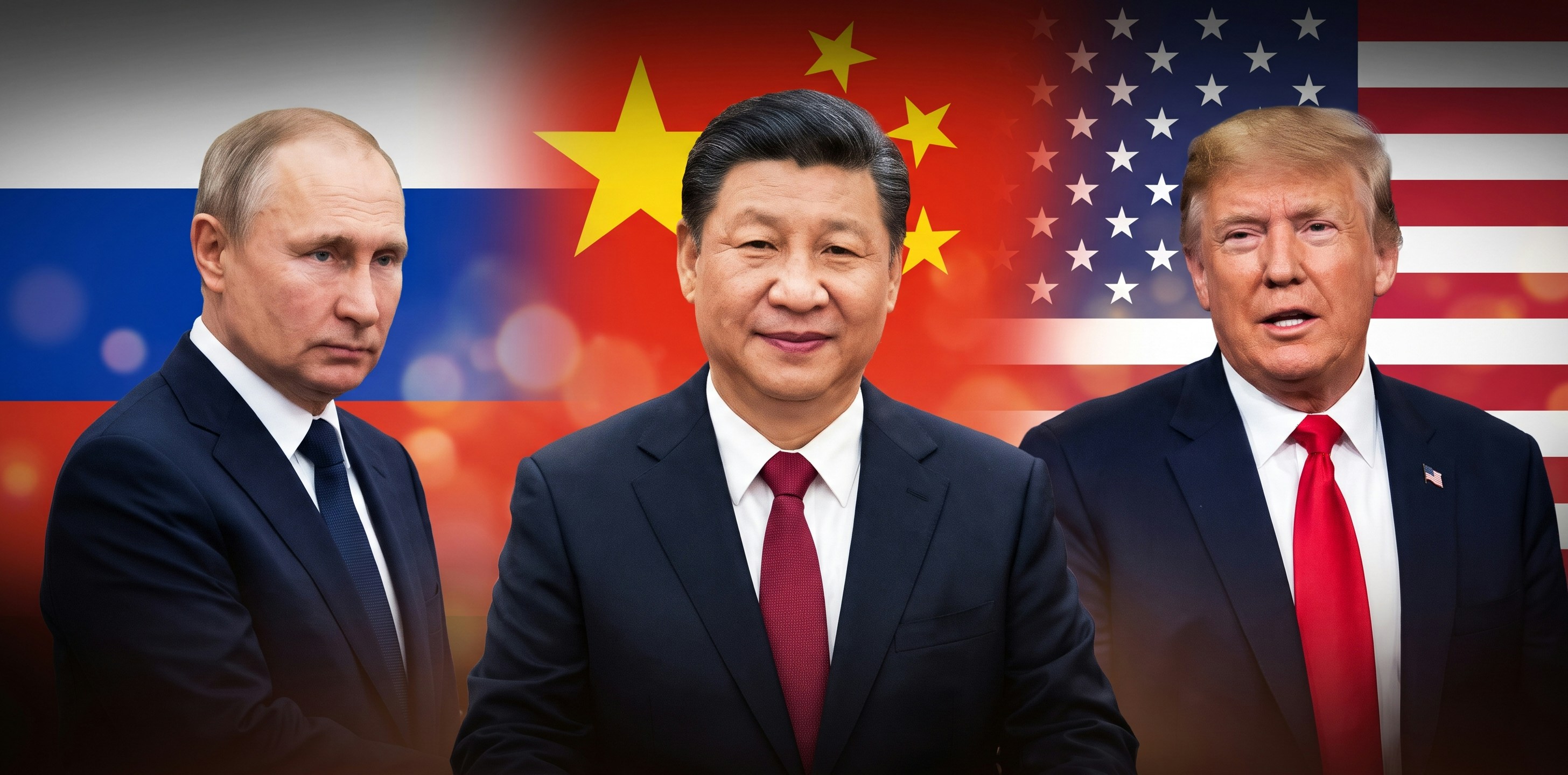
The Chinese government made it official on Monday morning: on November 19, Xi Jinping will sit down with Vladimir Putin and Donald Trump in Shenzhen for the first face-to-face meeting ever held by the leaders of China, Russia and the United States. State media carried the announcement within minutes, confirming what the White House had previewed on November 13 and the Kremlin had endorsed over the weekend, and converting a meeting that had run for days on foreign schedules into the centerpiece of APEC summit week.
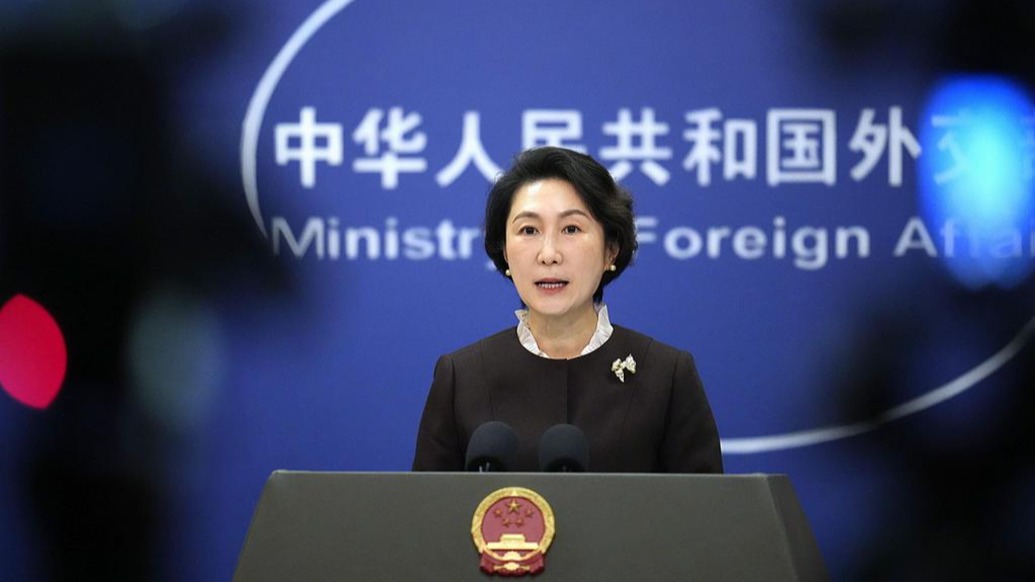
At the Foreign Ministry's regular briefing on Monday, spokesperson Mao Ning gave the meeting its official framing, calling it a first with "groundbreaking significance" and reaching deliberately for history: all three countries are founding members of the United Nations and permanent members of its Security Council, she said, and the three once fought side by side to win the world war. The task now, in her telling, is to strengthen communication, manage differences and stabilize relations — language that presents the summit as a contribution to world stability rather than a side event at a trade gathering.
That framing is exactly what has caught analysts' attention, because the three-way meeting is not on the APEC agenda at all. As HK01's analysis put it, Beijing announced the meeting on its own initiative, separating it from the forum's trade schedule — a staging choice that makes the trilateral, not the communique, the story of the week. Under the White House itinerary published Monday, Trump lands in Shenzhen on the 18th, attends the APEC leaders' meeting the next morning at the Shenzhen International Exchange Center in Futian, then divides his remaining hours between a bilateral with Xi and the three-way session before flying home.
The guests are already landing. Mexican President Claudia Sheinbaum touched down on Sunday, ahead of most of her fellow leaders, and the image that traveled fastest was her escort: bodyguards from China's female protection detail walking so close to the president that Chinese social media made them a trending topic of their own. China News Service's video of the arrival drew more than 1,600 likes within hours, and on Baidu's search board the bodyguards sat at No. 5 — directly beneath three separate summit items. On Zhihu, the day's top question was what to make of the meeting itself. The story has clearly broken out of the Weibo bubble; this site followed the preparations through the wardrobe question and the White House confirmation last week.
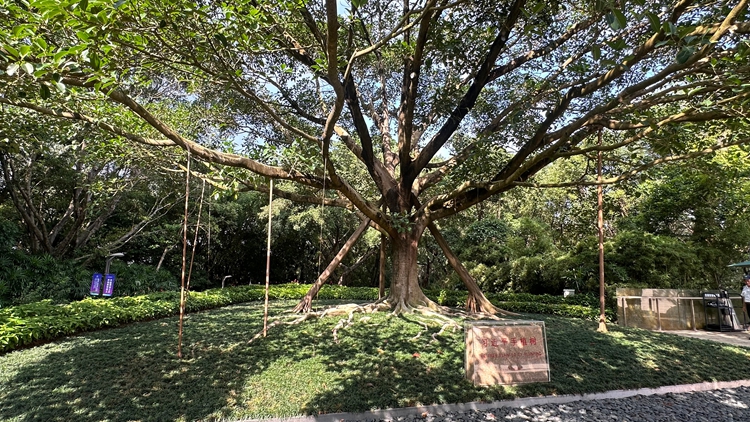
State media spent the weekend on symbolism. CCTV toured Lianhua Hill Park, where a 21-meter flower bed spells out a wish for "hearts united, flowers blooming across the Asia-Pacific," and stopped at the banyan tree Xi planted in December 2012, on his first domestic trip after taking power. It stands on the same hill as the bronze statue of Deng Xiaoping, whose own banyan, planted in 1992 at a botanical garden across the city, "gazes at the other from afar" in the channel's telling — two trees marking two eras of the southern city built on reform.
This is China's third turn as APEC host and its first in twelve years, with the leaders' meeting set for November 18 and 19. What no readout has yet said is what the three leaders will actually discuss; the ministry promised details "in a timely manner." APEC's closing day will end with a meeting the Asia-Pacific forum has never before hosted — or even scheduled.