Breakthrough Blood Test Method for Early Cancer Detection Generates Excitement and Concerns on Weibo
In a breakthrough that could revolutionize early detection and treatment of cancer, American scientists have developed a fast and low-cost method for detecting key proteins associated with cancer cell formation in just half a drop of blood within two hours. This groundbreaking approach offers a significant improvement over current methods, which often require invasive tissue sampling and are limited in their detection ranges.
The announcement has generated widespread interest and excitement on social media platforms such as Weibo, with many users expressing hope for the new method's potential to save lives. However, some have raised questions about the credibility of the research, with one user sarcastically noting that similar projects have been tried before, with detrimental consequences for their proponents.
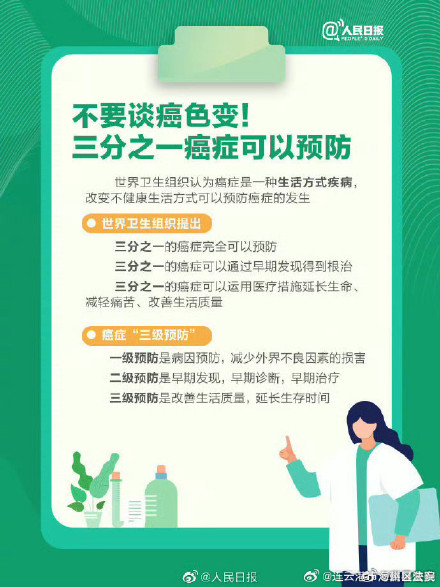
The discovery has been hailed as a major advancement in cancer research by experts and laymen alike. According to Nobel Prize winner Caroline Beltrosy, who explained the emergence and treatment methods of cancer in an accessible video, early detection is crucial in the fight against cancer. The World Health Organization also emphasizes that cancer is largely a lifestyle disease, with nearly one-third of cases potentially preventable through changes in diet, physical activity, and other factors.
In addition to discussing the new blood test method, many Weibo users have taken the opportunity to raise awareness about common carcinogens and early warning signs of tumor development. The top 23 most common carcinogens were listed by the World Health Organization, along with the screening and prevention guidelines for 10 high-frequency cancer diseases.
However, not all reactions have been positive. Some users have expressed skepticism about the ability of the new blood test to accurately diagnose cancer, questioning how such a complex disease can be detected so simply from just a small amount of blood. Others have accused the researchers of trying to deceive people into donating blood, raising concerns about the ethical implications of the study.
Despite these criticisms and concerns, the potential benefits of this new method for early cancer detection are undeniable. If validated by further research, it could revolutionize cancer screening, enabling earlier diagnosis and treatment, which can significantly improve survival rates. As such, the development has caught the attention of medical professionals and laypeople alike, with many eagerly awaiting more information about this exciting breakthrough in the fight against cancer.