CCTV's Documentary on Myanmar's Scam Compounds Puts Faces to the Industrial Scale of the Trade
A three-part documentary airing this week traces how Myanmar's scam compounds rose under local militia protection — and the survivor at its centre includes a man who was sold between fraud parks and forced to surrender a kidney.
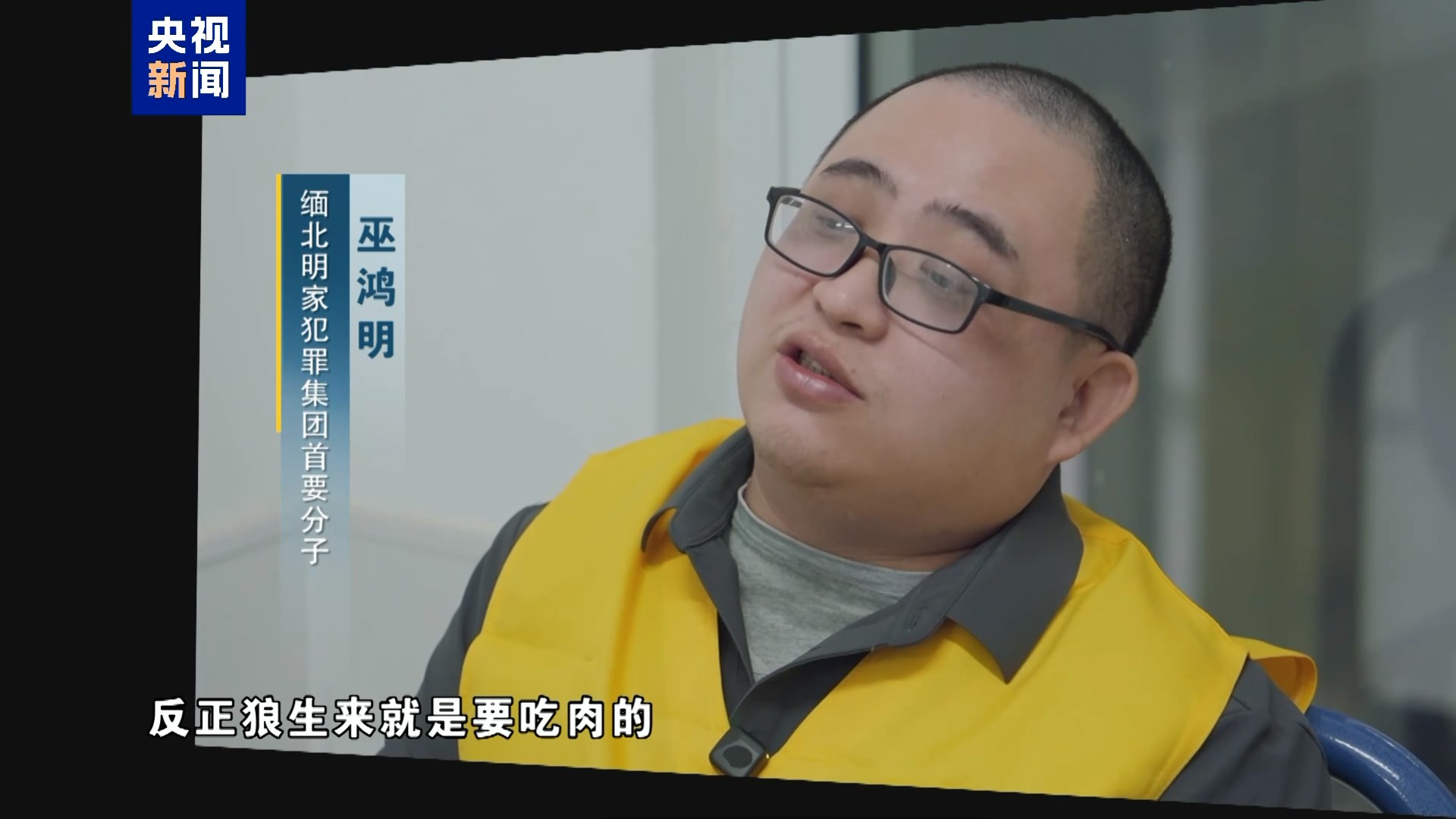
China's state broadcaster has begun airing the most detailed account yet of the scam-compound industry that flourished for years just across its southwestern border, and the stories it carries are grimmer than the phrase "telecom fraud" usually suggests.
The three-part documentary, "The Demise of Myanmar's Telecom Fraud" (《缅北电诈覆灭纪实》), co-produced by the Ministry of Public Security and China Media Group, premiered on CCTV-1 on October 5, with the remaining episodes scheduled over the following two evenings. CCTV's teaser post quoted one recruit's verdict on life inside the compounds — "you only learn what hell means once you're over there" — and another on how "not doing fraud came to mean you were good for nothing" (CCTV News).
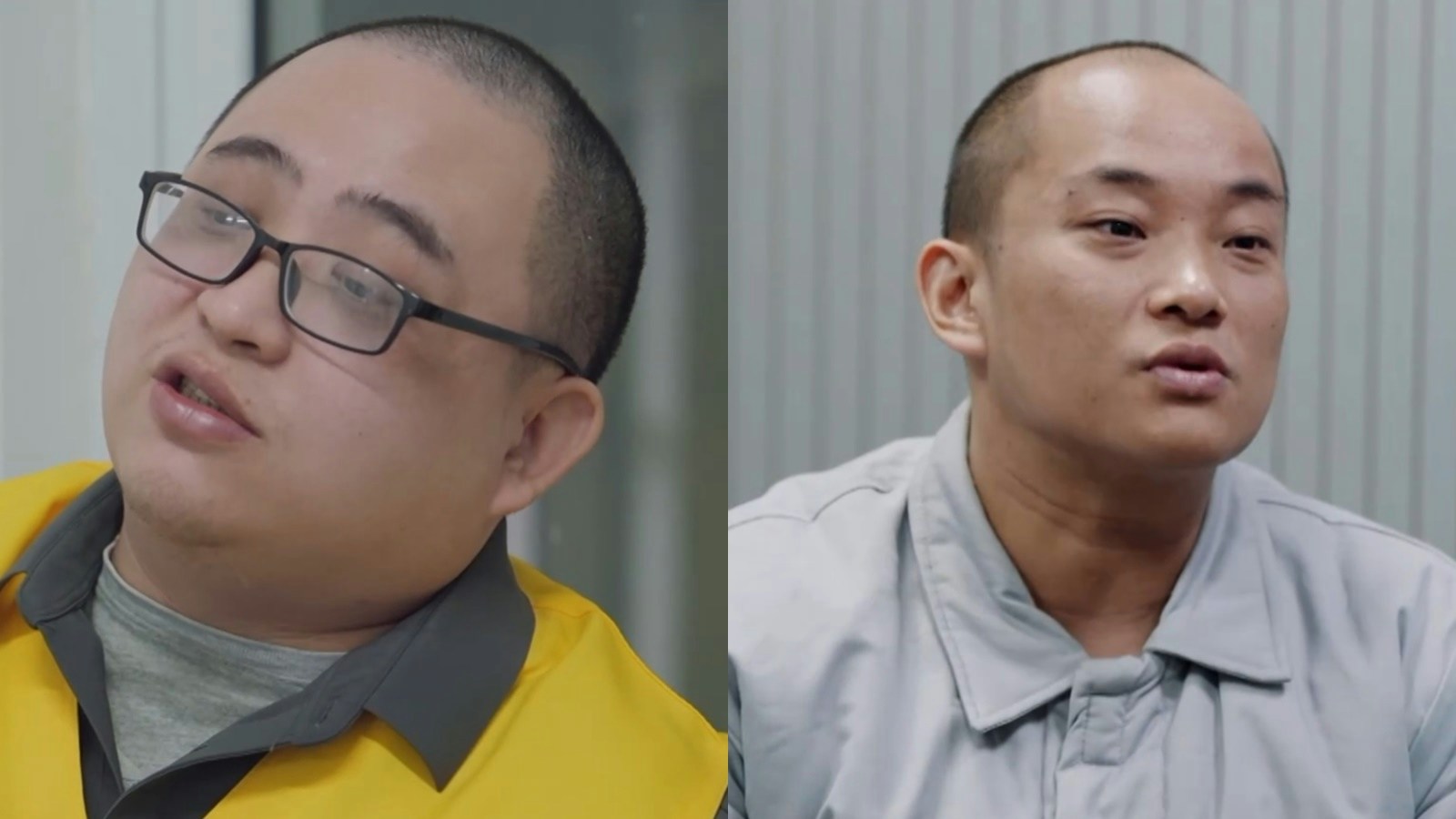
The film revisits the destruction of the "four big families" whose syndicates ran northern Myanmar's fraud economy, and it puts two former local officials at the centre of the story. Bao Yanban, once head of Mangbo county in the Wa region, and He Chuntian, formerly of Mengneng county, are presented as the official shield for what CCTV calls an "officials-and-gangsters-as-one" system, in which armed factions treated fraud parks as an economic pillar. Bao, the report notes, stored so much cash at home that he dried banknotes on his roof and in his courtyard to stop them going mouldy — a detail that became a local spectacle and a trending topic in its own right (Baidu).
A kidney as collateral
The account that has travelled furthest online belongs to a survivor. Tang Moufeng, who crossed into Myanmar illegally in 2021, told CCTV he was made to sign a 70,000-yuan debt note when his scam numbers fell short, then was resold from compound to compound and beaten daily. When injuries left him unable to walk, he said, his employer proposed a different settlement: sell a kidney. "The boss, called A-Gui, called me into his office and said, your match has succeeded," Tang recalled. "Then they took me to a farmhouse courtyard and did the surgery there" (CCTV News).
The interview anchors CCTV's framing of the trade as one that "plunders wealth, wrecks lives and destroys hope" — language that treats the compounds not as a crime wave but as a system that consumed the people working inside it as readily as the targets they phoned.
Why the state is airing it now
The documentary arrives as a piece of victory-lap journalism: the four families have been dismantled and the trials and executions of their leaders have been publicised over the past year. But its timing also coincides with reminders that the pipeline has not fully closed. As this site reported last week, recruiters have kept working the same routes into Myanmar a year after the crackdown (One Year After the Crackdown, Myanmar's Scam Compounds Are Rebuilt and Recruiting) — and on Zhihu, users are following the case of a 33-year-old Shanghai music teacher who flew to Thailand on September 24 and went missing days later, his phone's IP address twice registering in Myanmar's Karen state. The Chinese embassy in Bangkok says it has relayed the family's request to Thai police (Zhihu).
The story has spread well beyond Weibo, where the kidney account and the roof-drying detail both charted high on Baidu's trending board this week, and Hong Kong outlet HK01 has been posting clips of the executed ringleaders' final interviews (HK01).
For an international reader, the programme is the clearest official window yet into how the industry worked — not as lone scam call centres but as a militia-protected economy with county-level patrons, debt ledgers, resale markets for workers and, in the worst cases, organ extraction as debt collection.