Hand Cream, Fridge Magnets, Ice Cream: Young Chinese Tourists Are Done With the Souvenir 'Sucker's Trio'
Golden Week crowds met the same goods at every scenic area in China — the hand cream, the fridge magnet, the photogenic ice cream that melts before it is eaten. A survey published with Southern Weekly's trend piece found cost, not variety, is what finally broke the habit: 59 percent of respondents call the souvenirs overpriced.
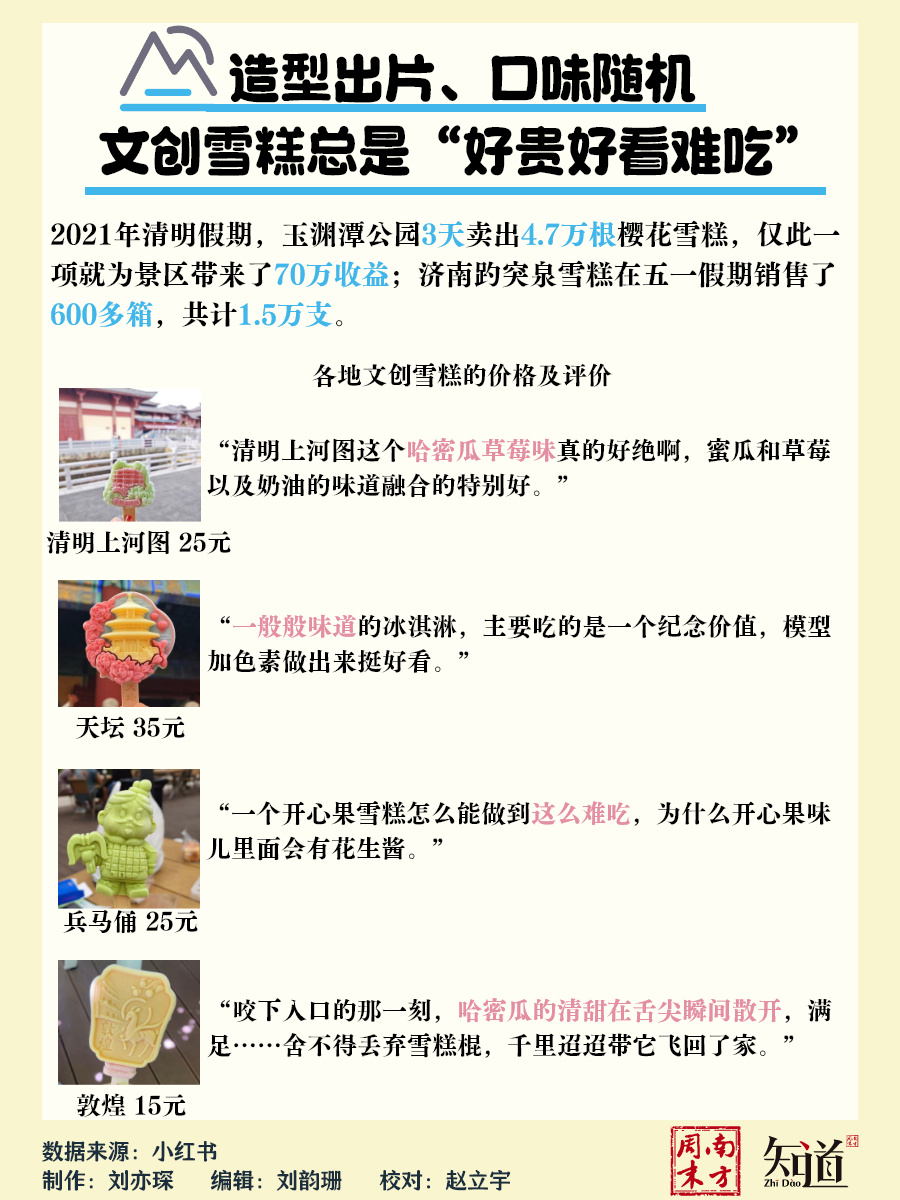
Walk down the souvenir street of any major Chinese scenic area this Golden Week and you could be forgiven for thinking you had never left the last one. The same pale-green hand-cream shop, the same blue mountain-shaped fridge magnet, the same ice cream moulded into a local landmark. Southern Weekly, the Guangzhou-based newspaper, gave the kit a name that stuck: the "sucker's trio" (冤种三件套) — hand cream, city fridge magnet, and cultural-creative ice cream, the three items young travellers are now embarrassed to have been buying on autopilot.
The numbers behind the mockery come from a survey published alongside the paper's October 4 piece. Nearly half of respondents said scenic-area souvenirs have grown so similar they lack any local character — but price ranked higher still, with 59.2 percent calling the goods expensive for what they are. Both complaints are checkable in seconds now, which is the real change. The same hand cream is cheaper at the brand's downtown counter; an "identical" fridge magnet ships for 9.9 yuan with free postage online. The urgency that used to make a traveller reach for a wallet — here and nowhere else — has been dismantled by comparison-shopping apps. As one traveller wrote in a post under the hashtag, scenic areas charge tens of yuan for what costs a few yuan online: "we're not being stingy, we're just done paying the IQ tax."
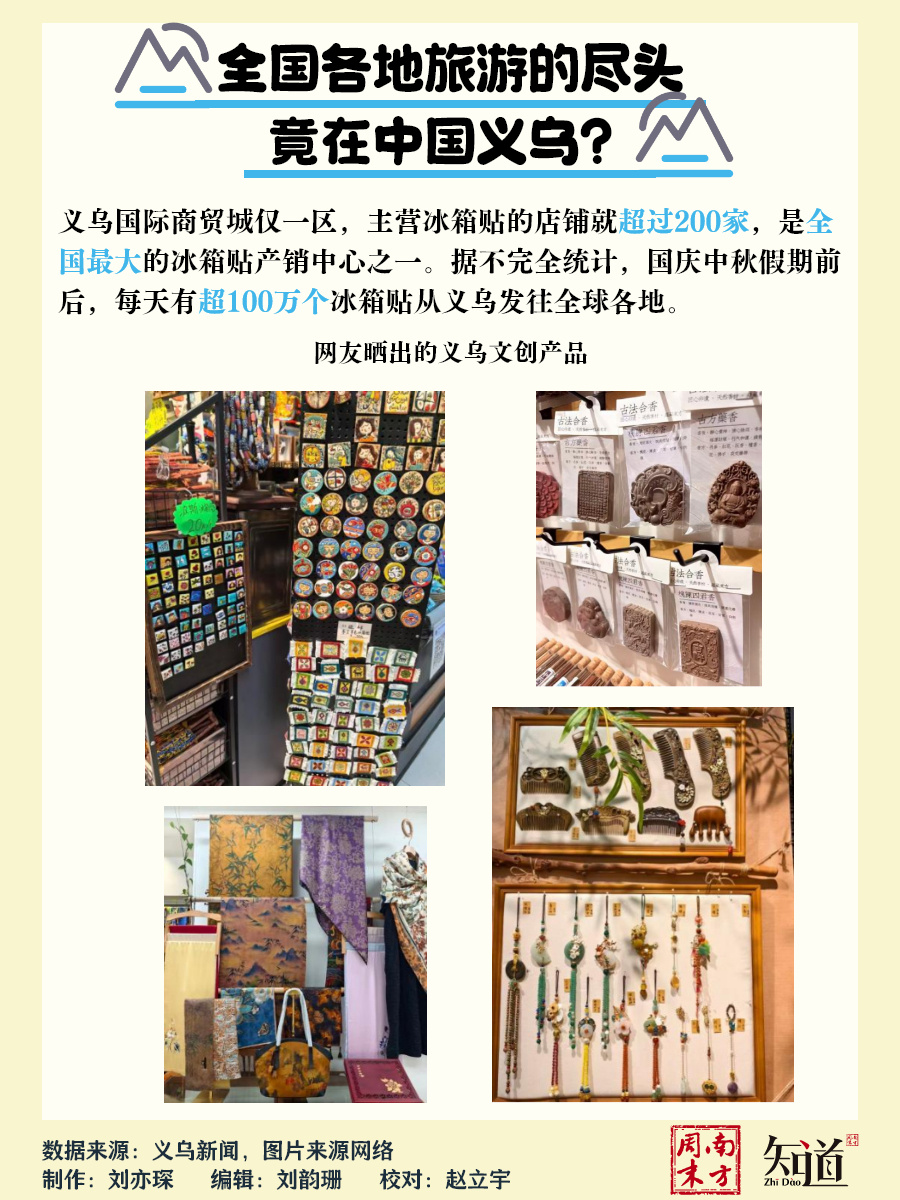
The homogeneity has become a running joke with its own architecture. A hand-cream brand had opened more than 150 stores in over 40 cities by mid-2025, its "city limited editions" differing mainly in the name of the city. The same box of pastries rebrands from "cloud-mist tea cake" at Lushan to "Red Army cake" at Jinggangshan. "Limited-edition" wellness teas change their packaging and reappear one mountain over. And the punchline circulating with the trend: the final destination of all domestic tourism is Yiwu, the wholesale city in Zhejiang where more than 200 shops in the international trade market supply the country's fridge magnets to begin with.
Not everything on the souvenir shelf is mass-produced sameness — which is how the difference came to matter. At Wild Elephant Valley in Xishuangbanna, a scenic area in Yunnan, staff told visitors this week that notebooks and flower-bedding material made from elephant dung were selling well: unglamorous, unmistakably local, and impossible to source from a wholesale market. That is roughly what Southern Weekly's piece concluded its readers actually want to buy — not an object printed with a place's name, but the faint connection formed in the moment of being there.
The trio itself is a relic of a boom that worked too well. The cultural-creative merchandise wave that began with the Palace Museum's cosmetics and tape line a decade ago turned "wenchuang" into a default revenue stream for every scenic area, and the supplier ecosystem obligingly converged on one catalogue. This Golden Week — a "take three, rest thirteen" mega-holiday that lifted cross-city bookings for its opening days 18 percent over the same stretch of the Dragon Boat break — brought record crowds past those same shelves, and record numbers of them took photos and put their wallets away. A post that captured the mood of the shift drew nearly 300 likes in a few hours: "I can skip the ice cream, but the fridge magnet I really can't resist — the problem is the scenic areas all look more and more alike." The habit is not dead; it has simply lost the cover of not knowing the price.