100,000 Visitors, 50,000 Residents: a County Opens Its School Dormitories to Stranded Tourists
Qilian county in Qinghai — population about 50,000 — received over 100,000 visitors in a single Golden Week day. With every hotel full and night temperatures at minus four, the local culture and tourism bureau housed nearly 500 people in school dormitories for free, and its staff answered more than 400 calls in seven hours.
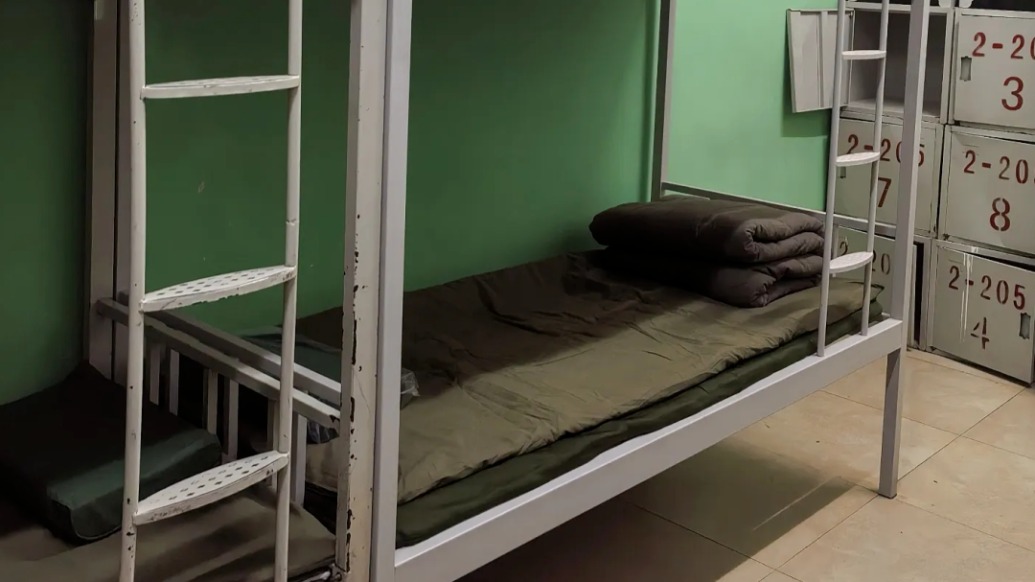
The booking apps showed the same thing on every listing in Qilian county on October 3: a diagonal stamp reading "fully booked." Qilian, a county of roughly 50,000 people beneath the Qilian Mountains in Qinghai province, had just received more than 100,000 visitors in a single day of the Golden Week holiday — and at night the temperature fell to minus four degrees Celsius. The posts that made the story national showed what the local government did about it: the county's culture and tourism bureau opened the dormitories of local schools to anyone without a bed, and local news reported the bureau chief out making beds for arriving guests himself.
The logistics were rougher than a hotel and, by every account the visitors gave, better than a car park. A tourist surnamed Lin told the outlet Jimu News that he drove from Xi'an, spent the afternoon and evening refreshing booking platforms, and finally called the number on the bureau's public notice. That night he was assigned to a room at Qilian's minzu middle school — four people to a room, brand-new bedding handed out at the door, heating on. A family that spent three hours failing to find a room described the same routine: the bureau staff asked how many people, told them to drive to the school, and registered them at the gate within half an hour, men and women in separate wings. Several visitors noted that they tidied the bunks and returned the linens before leaving in the morning — one said that sleeping in a school had previously been something they had only read about online.
Behind the scenes, the scale was bureaucratic rather than cinematic. A staff member in the bureau's office told Jimu News that between 5:30 p.m. and midnight on October 3 the office took more than 400 calls, nearly all from people looking for a bed; for close to seven hours the phones never stopped, and staff wrote each party's size and composition on sticky notes by hand, photographed the notes, and pushed them into the WeChat groups of every hotel in the county to see who could still squeeze someone in. By dawn nearly 500 people had been placed in what the county calls public-welfare beds — dormitory, school and gymnasium space pressed into service as emergency lodging.
The episode is Golden Week arithmetic at its sharpest. This year's holiday was the longest in recent memory — three days of annual leave stitched to the Mid-Autumn Festival produced a thirteen-day stretch — and the crowds that packed the famous sites spilled, as they do each year, into the small county towns marketed as escapes from the crowds themselves. That reverse-tourism wave is now several seasons old, and Qilian — gateway to grassland scenery and the Zhuoer Shan ridgeline — is precisely the kind of destination the trend favors. What the trend does not automatically bring is beds: a county that houses 50,000 residents cannot absorb a doubling of its population in a weekend, whatever the booking apps promise.
Which is why the goodwill travelled so fast. Chinese local tourism bureaus have spent recent years competing, half-seriously, for viral moments of competence — the optics of a bureau chief who shows up, in person, with bedding in hand, are worth more to a county's brand than a marketing campaign. Comment sections under the Qilian posts read like a ratings site: "Qilian has earned big points." The test that follows is less sentimental: holiday travel prices began falling on October 5 as the first wave of holidaymakers turned home, but the next long weekend will come, and a county that has now advertised exactly how thin its beds are will need more than school dormitories to keep the rating it earned.