How 'County-Rushing' Became China's Golden Week Escape From Its Own Crowds
China began its eight-day National Day break with the transport ministry projecting 2.13 billion trips — roughly 300 million people on the move each day — and single-day rail records fell before noon. The twist is where travelers are trying not to go: swept up by the 'county-rushing' (奔县) meme, millions are steering around the famous sites and into small county towns, only to find everyone else had the same idea.
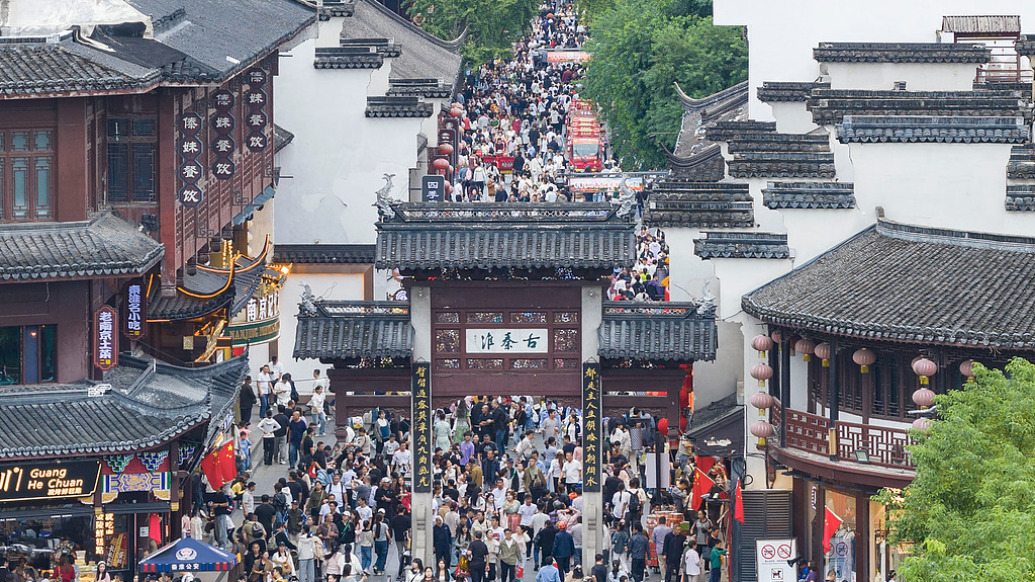
国庆假期流动的中国具象化了 — 'the China in motion, made visible' — was how state media captioned the scene as the holiday opened: as this site covered when the break began, the Ministry of Transport projected 2.13 billion cross-regional trips over the eight days, peaking at 334.1 million on October 1 alone. The railways set records by breakfast — Shanghai's stations handled 852,000 passengers in one day, and the Yangtze delta network moved 4.43 million, beating last year's 4.21 million benchmark.
The shortage of days is the shortage that started everything. The break runs eight days this year, and the widely shared trick of 请3休13 — 'request three days of leave, rest for thirteen' — has stretched trips into multi-city itineraries: by the end of day one, about a fifth of travelers were already on the second leg of a two-city plan, while Fliggy counted domestic ticket sales up nearly 30 percent on the year. As 36kr's holiday column noted, even the staggerers failed: the elevated highways 'were full of clever people who had booked leave early, and jammed the off-peak into a peak.'
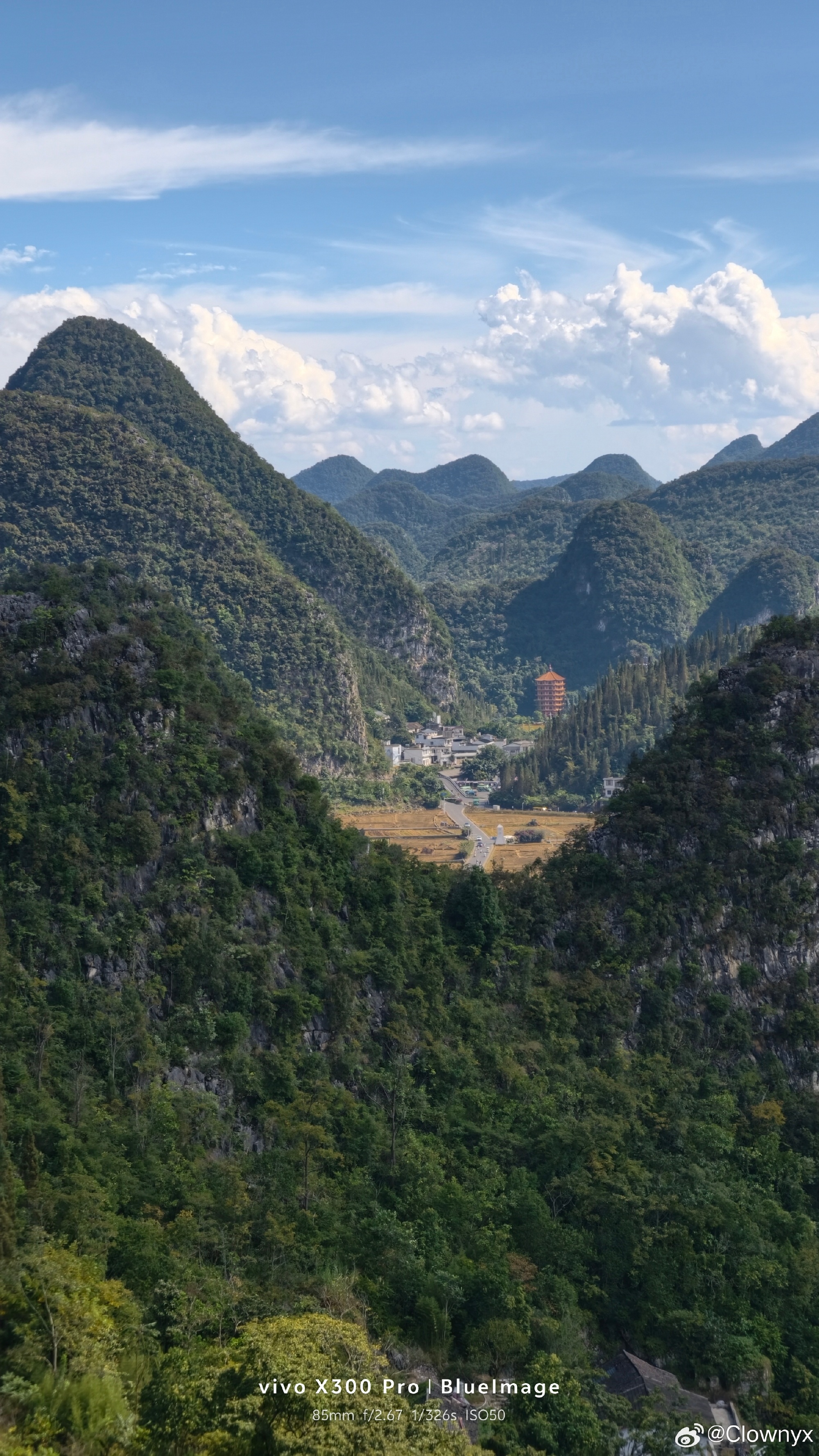
So came 奔县, 'county-rushing': skip the ticketed megasites, book a homestay in a county town, learn a craft, walk an old street. Booking data shows the meme arriving with real money behind it — Meituan counted four-to-six-night homestay bookings up 24 percent, with Sichuan's Jiuzhaigou County up 281 percent and Xinjiang's Burqin County up 206 percent, while Tongcheng recorded county-level product bookings up 42 percent and stays running 3.2 days longer than last year. A sequel aesthetic, 原生旅游 ('unfiltered travel' — places that look like their own photos), pushed hiking and climbing bookings up almost 80 percent.
The joke, and this year's honest postscript, is that the escape route filled too. 36kr's headline called the budget paradise 'the fiercest sickle of the holiday' — 刀落, the harvest came for the flee-ers. One viral takedown put it: 'Reverse tourism, reversed into nothing. The hidden-gem town on your feed was pushed to ten million people before you ever saved it.' Another chronicled the standard county itinerary — up at six to queue for the sights, queue at lunch, queue for photos — and concluded that 'the whole internet is traveling in reverse, and everyone meets again in the same narrow alley.' Jiuzhaigou was posting sold-out notices with advice to come back later.
One outbound shift frames it all: Japan fell out of the top ten destinations for Chinese travelers for the first time in years, after visits halved in the first half following Prime Minister Sanae Takaichi's Taiwan remarks last November and Beijing's travel advisory — demand that had to land somewhere, and much of it landed at home.