The King of Fruits Takes Root: Yunnan's Homegrown Durian Harvest Goes to Market
China's domestically grown golden-pillow durians began shipping from Xishuangbanna, Yunnan, after trial plantings produced a bumper crop — a small harvest with large meaning for a country whose durian habit has long been fed almost entirely by Southeast Asian imports.
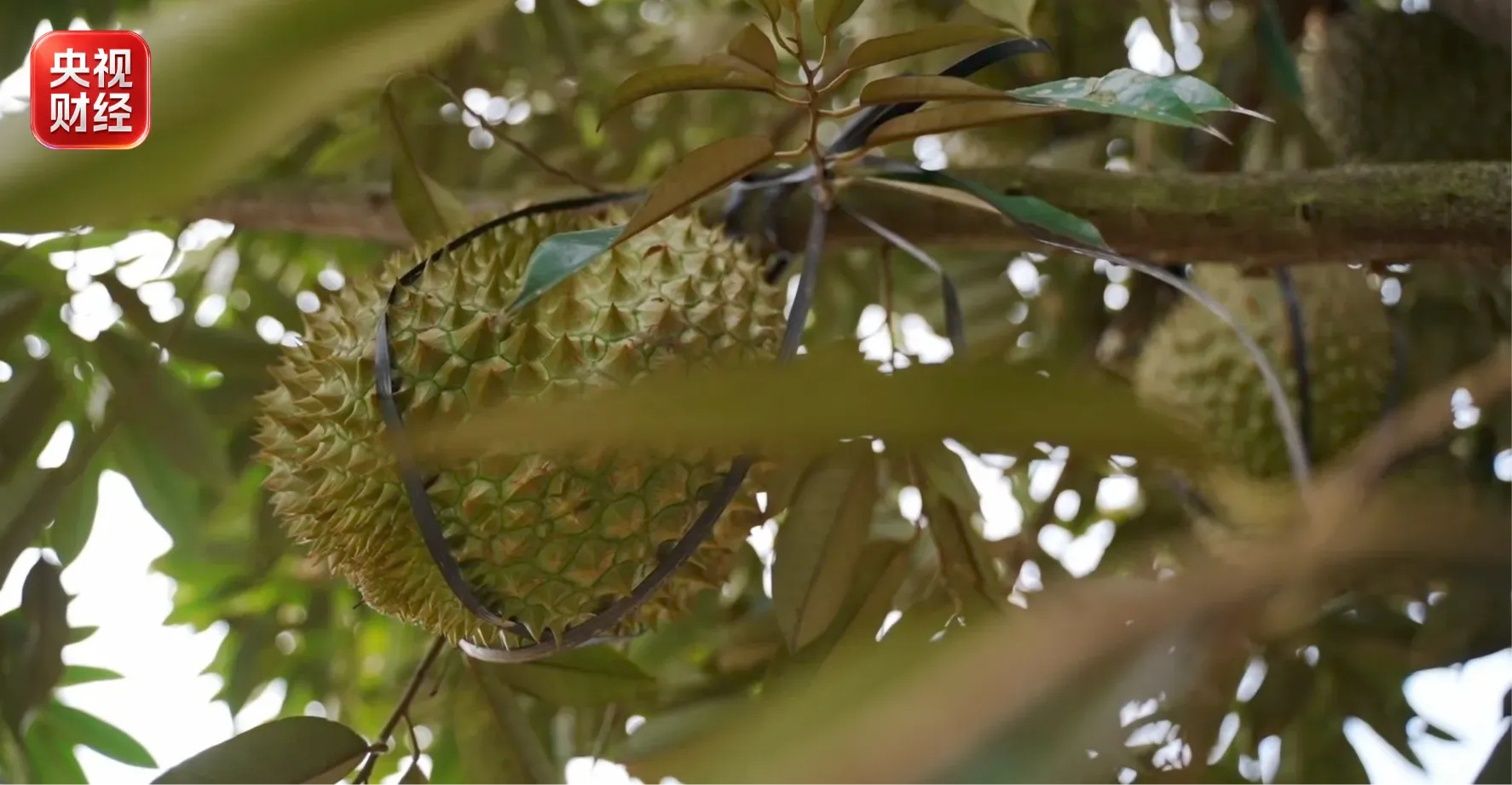
The durian has a new address. On September 16, the concentrated harvest of domestically grown durian began in Menghan township near Jinghong, in the tropical prefecture of Xishuangbanna, Yunnan — and state television was there to film golden-pillow durians, China's favorite variety, hanging fat and strapped from Yunnan branches. The harvest is small by the standards of the fruit trade, but it is being read as a threshold: local growers, after years of trial plantings, are bringing in a bumper crop of a fruit long considered impractical to farm at scale in China.
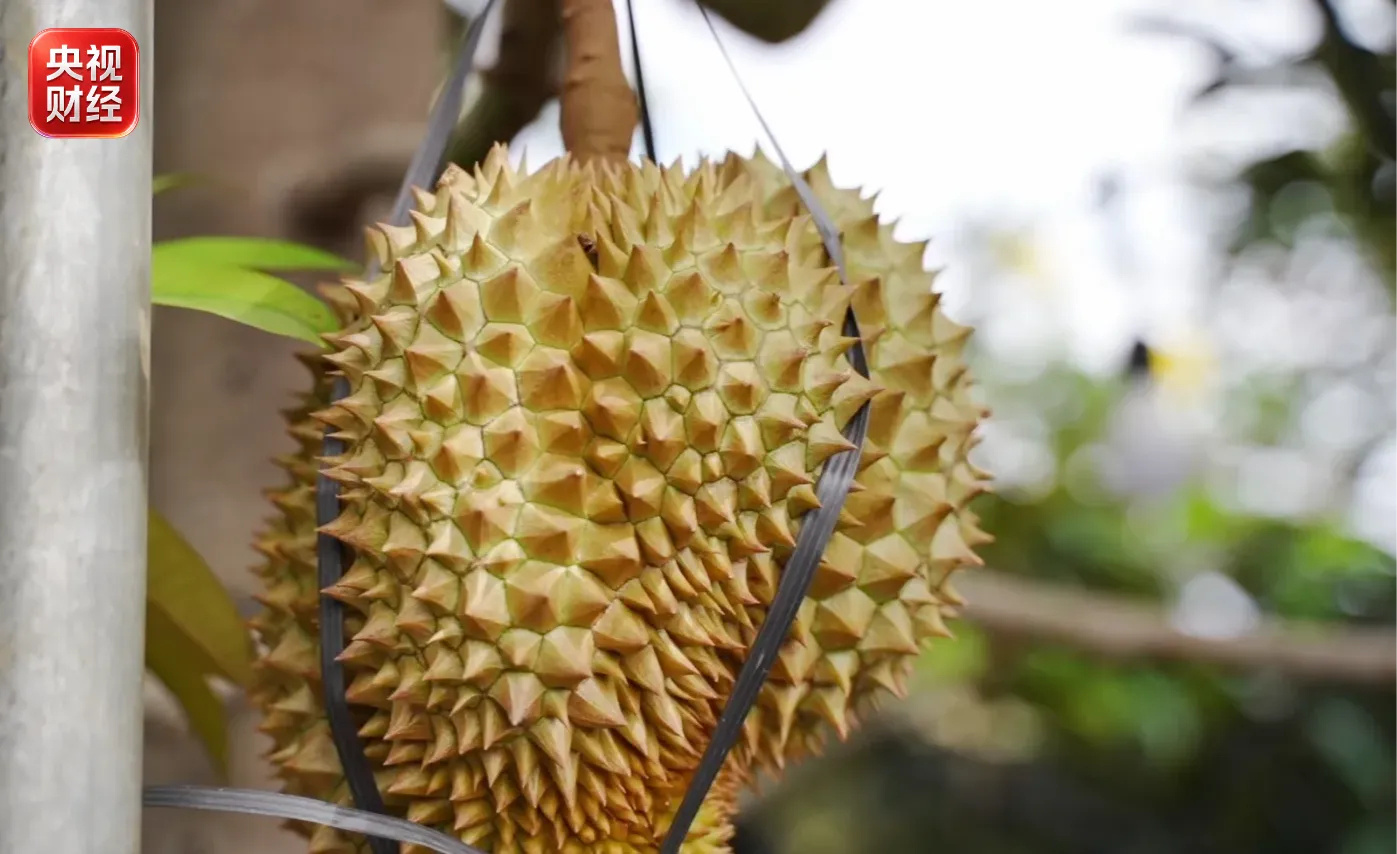
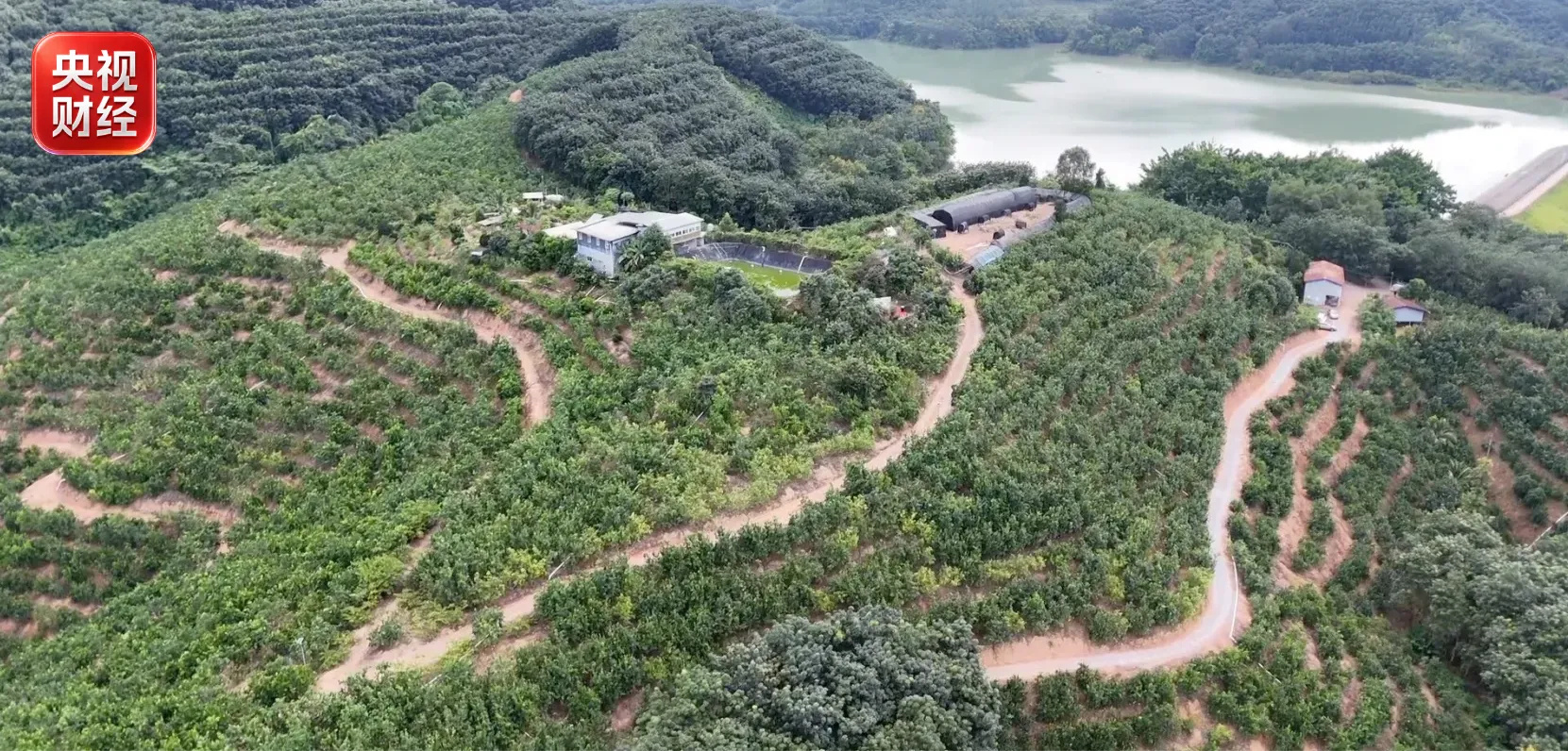
The numbers released with the harvest were modest and pointed. Individual trees carried as many as 34 fruit, with both yield and quality described as breakthroughs; a 310-mu demonstration base — about 50 acres — has been growing steadily, according to CCTV Finance's report, which credited Xishuangbanna's intense light, heat and water for making the years of variety trials and technical work finally pay off.
Why grow durian at all? Because in China the spiky "king of tropical fruits" is the very picture of import dependence. The fruit demands exacting heat and humidity, and almost all of China's fresh supply arrives from Southeast Asia, above all Thailand and Vietnam, whose growers have watched Chinese demand turn durian into one of the most valuable fruit trades on earth. That dependence is exactly the kind of thing China's agricultural policy now works to unwind — and durian, until recently, sat at the far edge of what anyone believed domestic farming could reach. The Baidu hot-search board, where the harvest charted alongside warnings against eating durian with liquor, suggested how thoroughly the fruit has entered daily life: the same day brought a hospital case in Nanjing of a woman who developed acute liver failure after eating durian and then drinking several shots of baijiu, prompting doctors to advise leaving twenty-four hours between the two.
Chinese consumers met the news with a mix of pride and appetite. Xinhua's video desk marked the harvest with a rundown of "30 ways to eat durian," from straight from the shell to desserts and pastries. The more consequential reaction will come from the market: whether Yunnan-grown fruit can match Southeast Asian durians at ripeness and price. If the demonstration base holds its yields, the next question is how far beyond 50 acres the plantings go.
For now the harvest marks a staging post in a longer project: import substitution pushed all the way to the tropics, into a crop the region's farmers once had to themselves. The golden pillows going to market this week in Yunnan are the proof of concept.