After a Family's Food Poisoning, China Rethinks How It Stores Its Eggs
A family of three in Shenyang fell ill after eating scrambled eggs — the culprit was eggs washed before storage, which stripped away the shell's natural protection. The official advice that followed has millions of Chinese households re-examining the egg tray in their refrigerator doors.
The warning arrived with a familiar domestic horror story. A family of three in Shenyang ate scrambled eggs and came down, one after another, with vomiting, abdominal pain and diarrhea. Investigators traced the poisoning to spoiled eggs — and the spoilage to a habit of household hygiene: the eggs had been washed before they were put away.
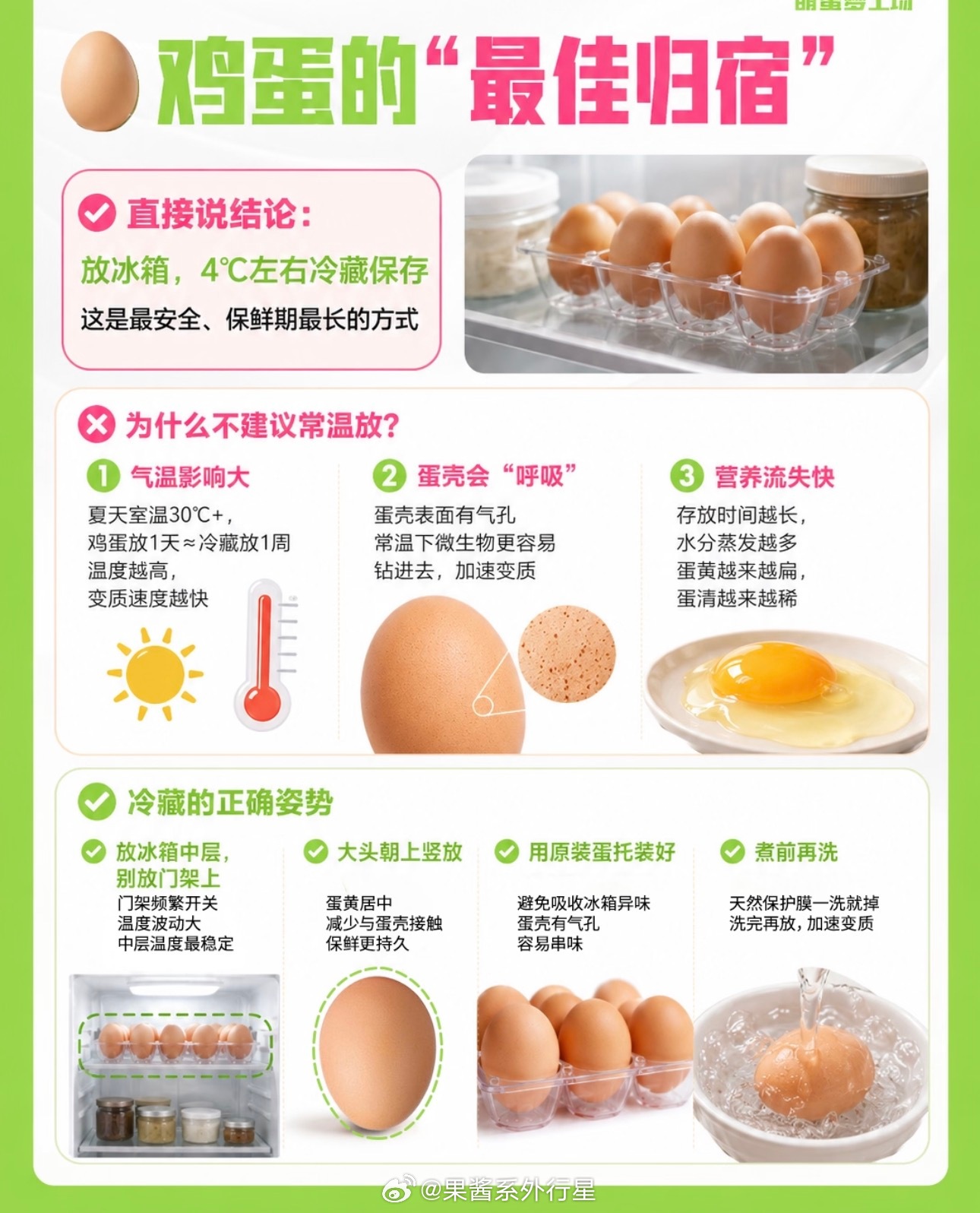
CCTV Finance's explainer, liked nearly a thousand times, walked through the mechanism. An eggshell is not a sealed container; it carries a natural outer film, sometimes called the bloom, that plugs its pores and keeps bacteria out. Washing strips that film away, so rather than cleaning the egg, the wash pulls contamination inward — not a guarantee of illness, the experts stressed, but a real raise in the risk. Their rules: never wash an egg you plan to store; wipe a visibly dirty shell with a dry cloth or paper towel; and wash only just before cooking, then cook promptly.
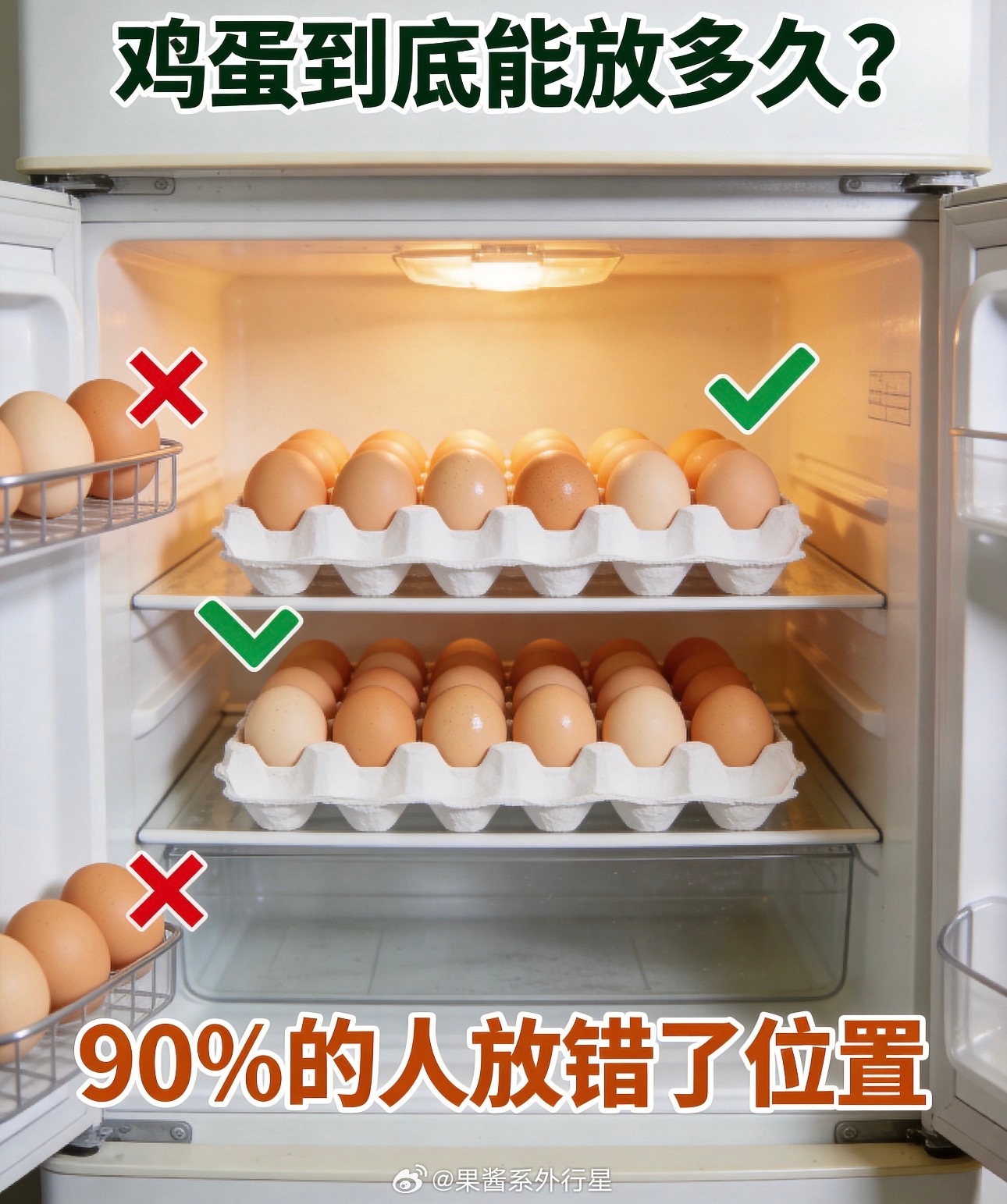
The second rule got the more attention, because it indicts a piece of furniture. Chinese refrigerators nearly all ship with an egg tray moulded into the door, and it is exactly the wrong place: the door swings open all day, so the temperature there fluctuates more than anywhere else in the compartment, and agitation speeds an egg toward going bad. Eggs belong on an interior shelf, ideally in their original carton so they do not pick up fridge odours through their pores — and stored with the blunt end up, which keeps the yolk centred and the air cell where it belongs.
There is a quiet cross-cultural footnote here. In the United States, eggs are industrially washed and sanitized before sale, which destroys the bloom and makes refrigeration non-negotiable. Chinese eggs are typically sold unwashed at market, film intact, and generations of shoppers have treated the fridge — and especially its door tray — as a place where eggs simply wait. The Shenyang case did not change the science so much as expose the collision: habits calibrated for unwashed eggs meeting a refrigerator designed elsewhere. As one summary of the guidance put it, buy them home unwashed, store them cold and separated from raw food, and test an old egg in water before cracking it — if it floats, it has had its day.