Three Years After She Turned Him Down, Her Photos Ended Up on an Overseas Porn Site
A 23-year-old woman's ordinary social-media photos were repackaged with fabricated sexual histories and posted to an overseas porn site — by a man she had rejected three years earlier. He has been criminally detained, and the case shows how little it takes to manufacture such an attack, and how hard it is to undo one.

Late one night in July, a 23-year-old woman — reported under the pseudonym Fang Deshi — opened her phone and found a stranger's message: was she really the woman in question? A cloud drive, it said, had leaked "so many of your private photos", and asked whether she wanted to check which were genuinely hers.
The cruel twist was that there were no private photos. What had actually happened, the report by Jimu News explains, was smaller and in its way worse: three years earlier she had turned down a schoolmate's confession, and the man had quietly copied the ordinary life photos she posted on social media, invented a sexual history to go with them, and uploaded the package to an overseas pornographic platform — together with her real name and the school she attended.
She was not the only one. As she traced the account, she found it carried pictures of other women, and in some cases private images they had never published anywhere. The victims found each other, pooled what they knew, and tracked the man down. Two days before that late-night message arrived, they had succeeded in having him criminally detained.
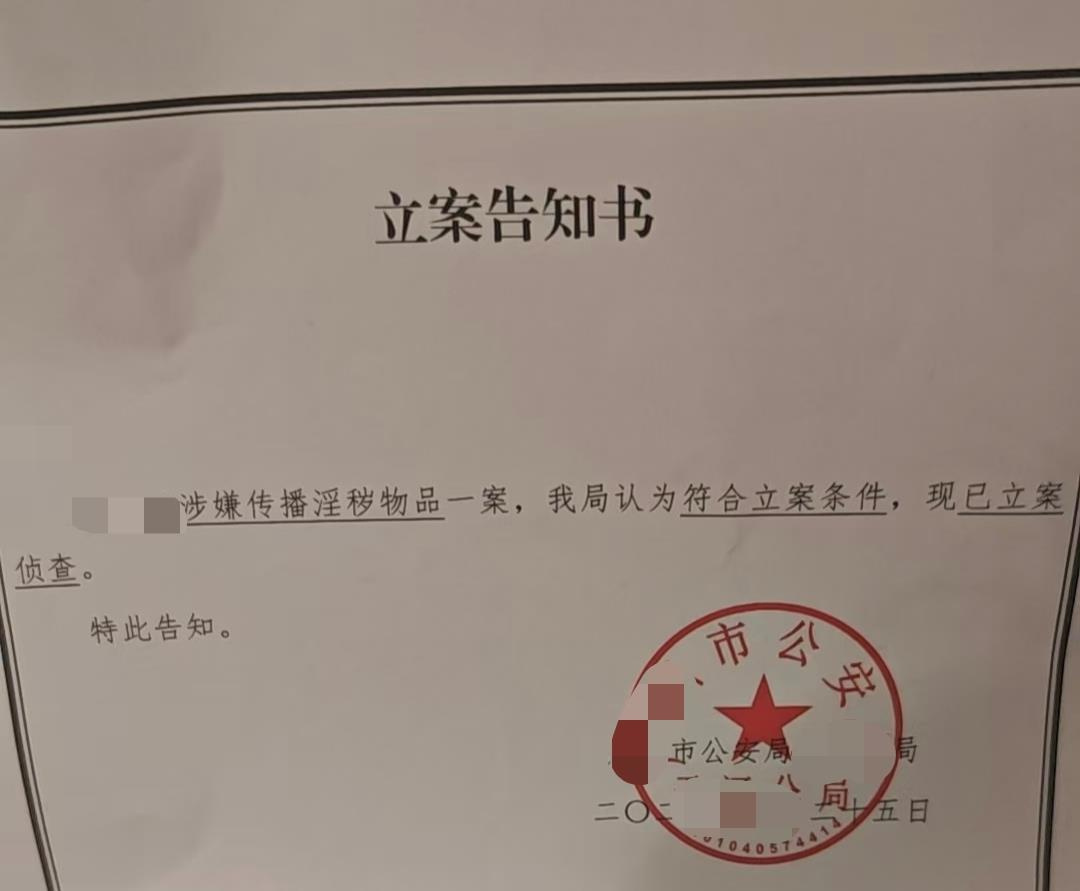
The story landed on Weibo's trending list over the weekend and drew the kind of response that has become familiar in China's running argument over digital violence against women. One widely shared commentary made the structural point: the perpetrator was not a stranger with a stolen archive but an acquaintance working from public photos alone, and that is what makes this class of attack so hard to police. A single daily selfie, it noted, can be repackaged into an instrument of humiliation; even after the police open a case, the platform sits overseas, the account is anonymous, and tracing, deletion and evidence-gathering all stall at the border — while saved copies keep recirculating.
China has been here before with adjacent technology — actress Wu Yue discovered an AI deepfake of her face selling skincare, and CCTV has examined why victims of fake celebrity livestreams struggle to win redress — but the Fang Deshi case strips the problem to its simplest form: no AI, no hack, just a grudge and screenshots. The suspect is in detention awaiting prosecution, and the outcome of his case will be watched as a test of how much Chinese law can reach across a border its deleted photos have already crossed.