Sued Over Ashtrays Beside No-Smoking Signs, Ningbo's Railway Station Removed the Signs
A passenger who could not avoid secondhand smoke on Ningbo station's high-speed platforms took the railway to court over ashtrays placed under bilingual no-smoking signs. The station's answer — taking down the signs — has turned a local complaint into a national argument about whether smoking is actually banned on China's platforms.
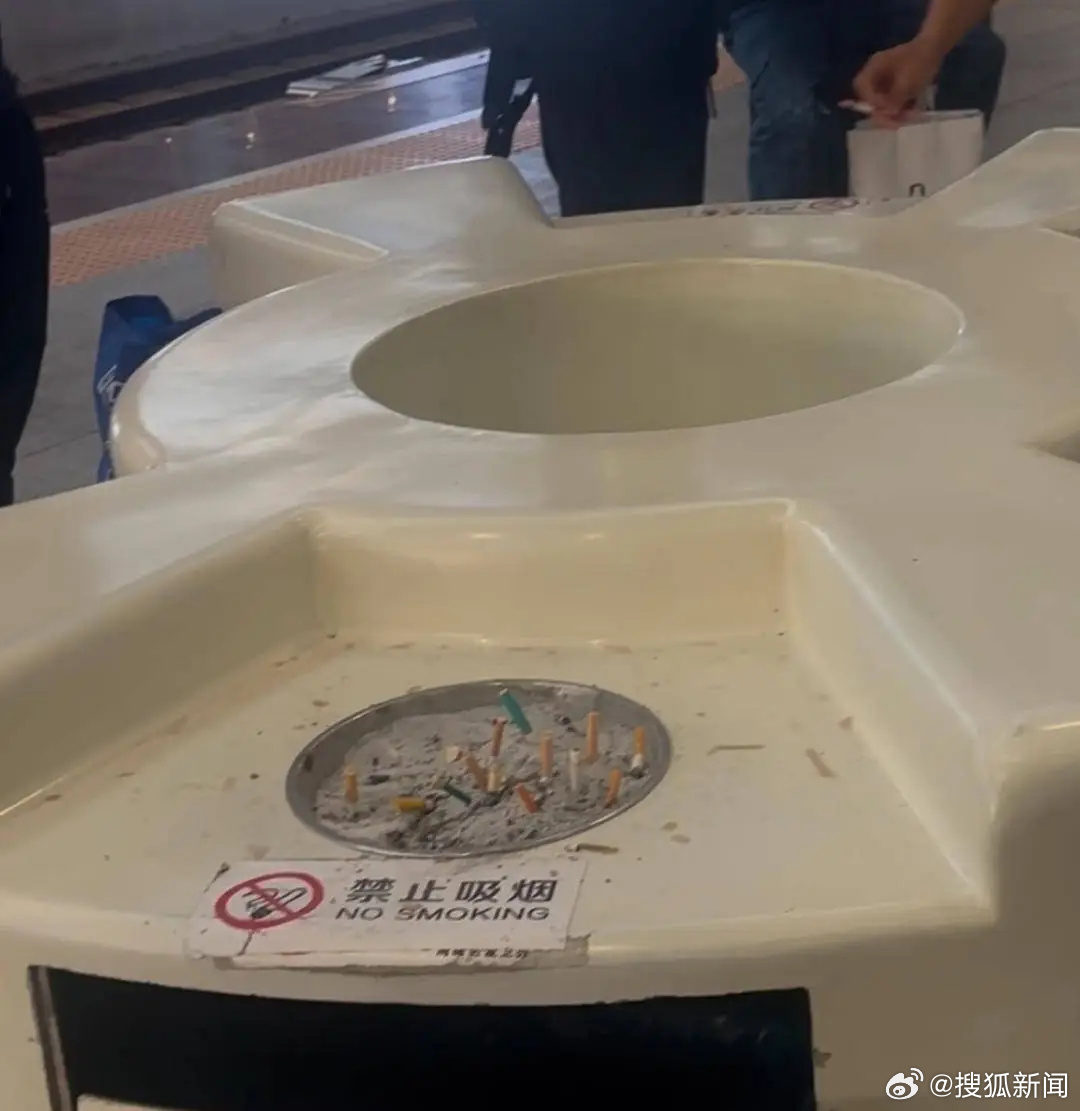
Ningbo railway station's high-speed platforms had a peculiar piece of furniture: a white cylindrical column at the centre of each platform, bilingual "No Smoking" signs on two sides — and an ashtray under each, with six or seven smokers gathered at any given time. For one regular passenger, who reports under the pseudonym Chen Shiyu, the column sat on the unavoidable walk from train to exit. Her choice was to hold her breath or breathe in. In the end she sued, naming the station and its parent, China Railway Shanghai Group, as defendants.
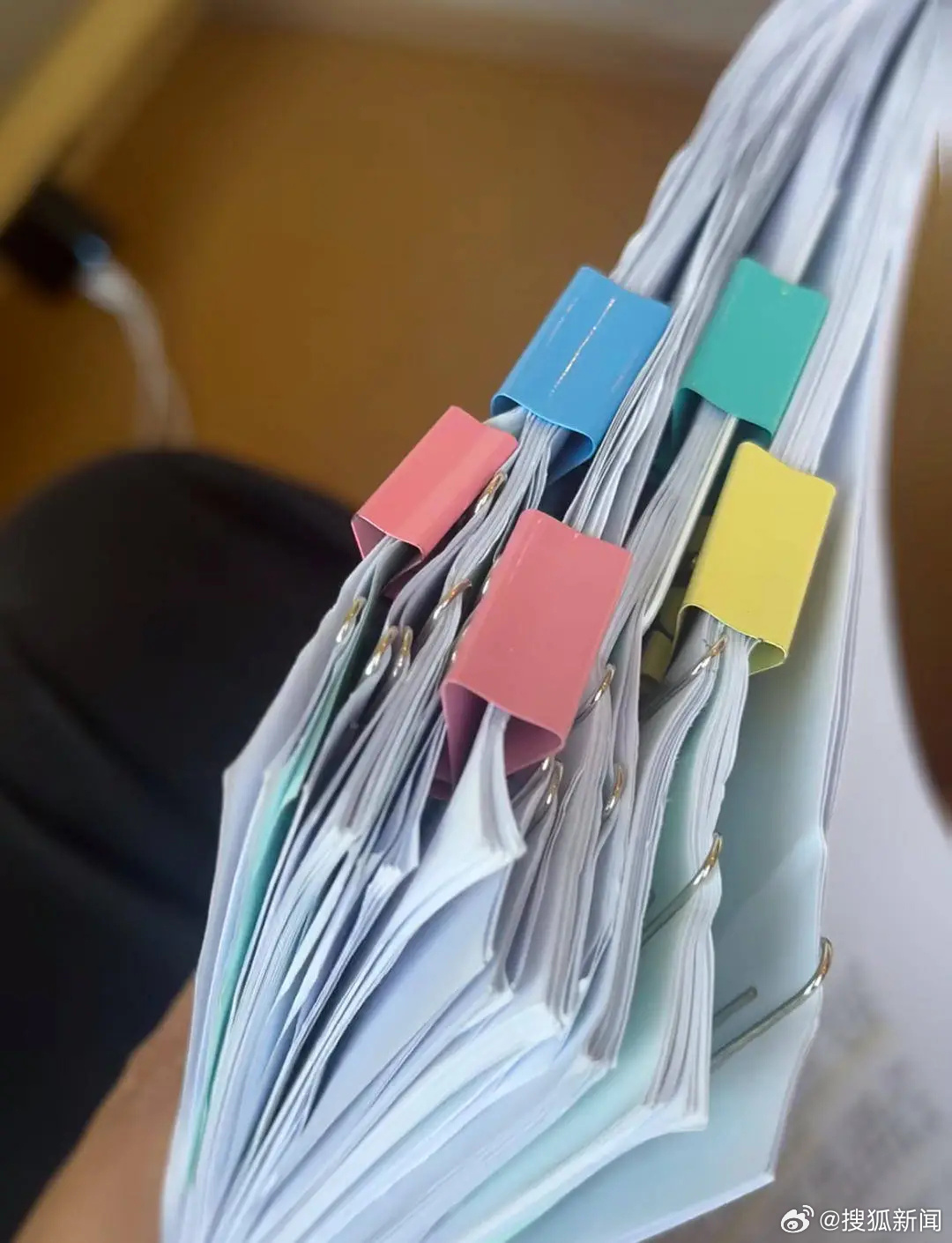
Her demands, as the complaint describes them, were precise: abolish the platform smoking area, dismantle the smoking columns and ashtrays, strengthen enforcement — and pay one yuan in mental-distress compensation plus one yuan in medical costs, the classic symbolic sums of a Chinese public-interest suit. She drafted the filing with help from a lawyer and an AI assistant.
The station's response is the part that traveled. Rather than removing the ashtrays, it removed the no-smoking signs. "On the wisdom of solving problems," one widely shared post deadpanned to more than 3,000 likes: "after being sued over ashtrays sitting next to no-smoking signs, Ningbo station responded quickly, and removed — the no-smoking signs."
The sarcasm flattens a genuine legal grey zone, as another commentator was quick to note. China's bans on smoking in indoor public places are well established, but a railway platform is neither fully indoors nor fully outdoors: roofed, semi-enclosed, and packed with passengers at boarding time. Smoking there is a tolerated habit rather than a clear violation, and the station's contradictory signage — a prohibition and an ashtray sharing one column — was the visible result. His own prescription was the mirror image of the passenger's: take down the no-smoking signs, keep the ashtrays, and admit that platforms allow smoking.
The case has not been decided. The trial has recessed for mediation, and the report records the terms on the table: if the station removes the platform's central ashtray, the mediation ends smoothly. It is not the first time China's transport operators have been pushed on their unwritten rules — the operator of train G735 reprimanded a passenger for an hour of speakerphone in the quiet carriage, and Guangzhou Metro defended charging a woman who spent five hours in a station reading. Whether a court will now decide where a platform's roof ends and the smoking ban begins is the question this one-yuan lawsuit poses.