China's Provincial Potent Potables: A Journey Through Unique Regional Drinks
As we embark on a journey to explore the diverse world of beverages across different provinces, we find ourselves immersed in a rich tapestry of unique flavors and ingredients. Each province boasts its own signature drink, often deeply rooted in local culture and traditions. This journey delves into the fascinating realm of provincial specialties, highlighting a few notable examples that have captured the hearts and taste buds of many.
A recent discovery in Henan, the 荆芥柠檬汽水, or Riverine Lemongrass Soda, presents an intriguing blend of flavors. Initially, the scent may remind one of soap, but this welcoming aroma gives way to a refreshing taste that cleanses the palate, much like the sensation of brushing one's teeth. This unique drink is particularly suited to accompany rich or heavy foods, providing an excellent means to cut through the richness. While its distinctive flavor may not appeal to everyone, it certainly offers an interesting experience. The main ingredient, 荆芥 (lemongrass or catnip), is known for its potential health benefits, including its use in cooking and medicine for its sedative and antipyretic effects.
In Hebei, another local favorite emerges in the form of 露露 (Lulu), a drink that seems to evoke a strong sense of provincial identity and loyalty. Discussions about its unique appeal often conclude with a resignation, as if its charm is something that non-locals cannot fully appreciate. For those from Hebei, particularly during festive periods like the New Year, Lulu is a staple that warms the heart and soul. However, its ingredients and exact taste profile remain somewhat mysterious to outsiders, adding to its enigmatic allure.
Shandong brings to the table its own specialty, 崂山白花蛇草水, or Laoshan White Flower Snake Grass Water, a drink that has even caught the attention of celebrities like 任嘉伦 (Ren Jialun). The drink's unique name and ingredients promise a one-of-a-kind experience. Observers note that such local favorites not only reflect the diversity of Chinese beverages but also highlight the deep connection between people and their local products, often passed down through generations.
China's diverse provinces are home to a wide range of unique beverages, each reflecting the local culture, history, and geography. In Hebei Province, locals take great pride in their favorite drink, "Lu Lu", a sweet and milky beverage that is often enjoyed during social gatherings. This traditional drink has been a staple in Hebei's culture for generations, with its rich flavor and smooth texture evoking a sense of nostalgia and community.
In contrast, Henan Province is famous for its "Jing Jie" (Catnip) flavored soda, which has gained popularity in recent years for its unique and refreshing taste. The catnip flavor, also known as "荆芥" in Chinese, is said to have medicinal properties, including relieving stress and promoting relaxation. This creative use of local ingredients highlights the ingenuity and adaptability of Henan's beverage culture.
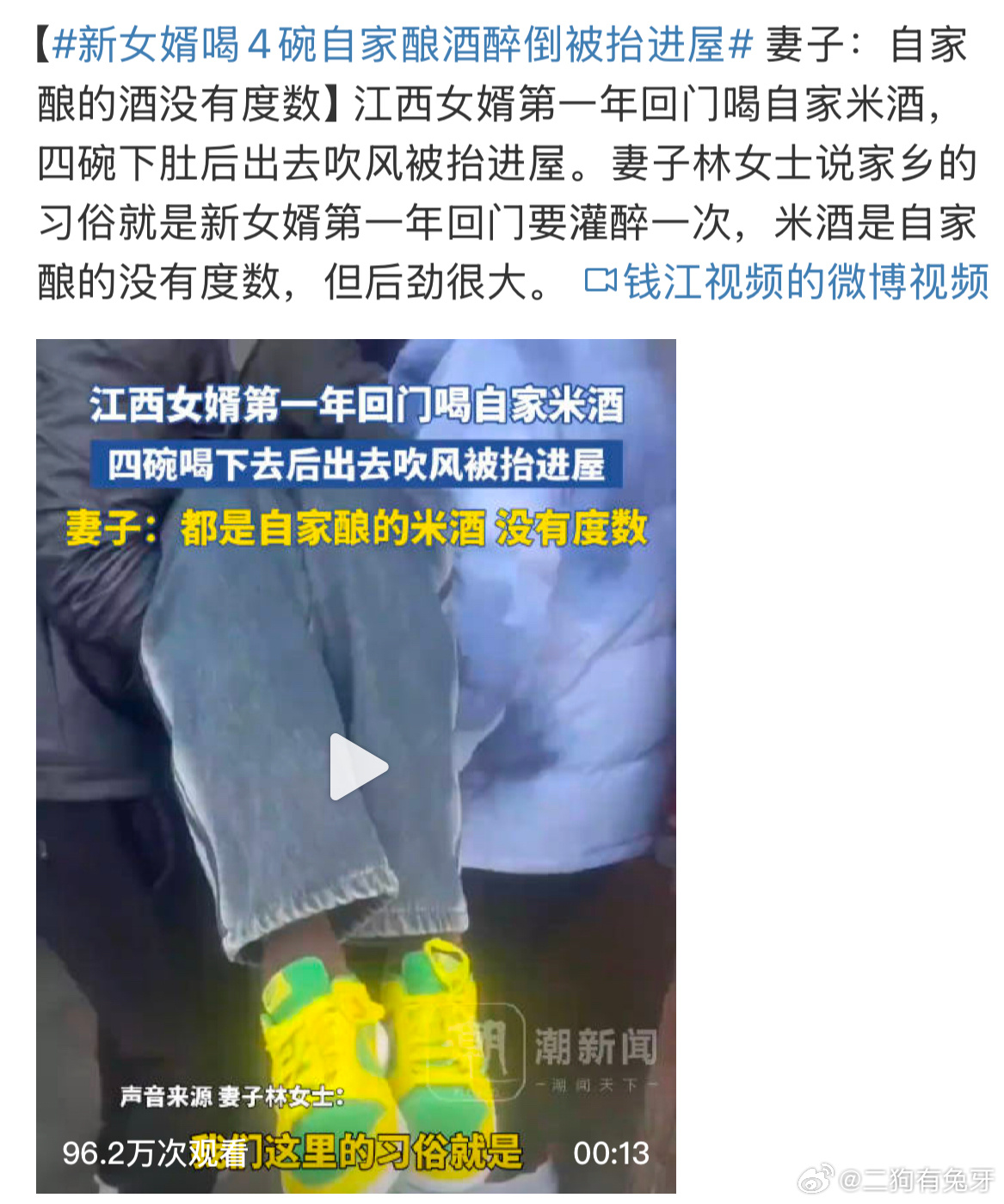
In Jiangxi Province, traditional homemade rice wine is an integral part of local customs and rituals. The story of a new son-in-law being encouraged to drink four bowls of rice wine during his first visit to his wife's family is a testament to the significance of this beverage in Jiangxi's social fabric. The wine, which is brewed without any formal measurement of its alcohol content, is said to have a potent kick, underscoring the importance of responsible drinking and the need to respect local traditions.
As we embark on a journey across China, we discover a diverse array of unique beverages, each with its own distinct flavor profile and cultural significance. For instance, Henan offers 荆芥柠檬汽水 (Ginger Sparkling Water with Lemon and Catnip), a refreshing drink not for the faint of heart, with its initial scent resembling soap, followed by a cooling sensation perfect for balancing rich flavors. Hebei is famous for its 露露 (Lulu), a sweet and creamy beverage often enjoyed during the winter months, with a unique flavor known only to those born and raised in the province. Shandong brings us 崂山白花蛇草水 (Laoshan White Flower Snake Grass Water), an herbal drink said to have a calming effect, and its popularity has been endorsed by celebrities like Ren Jialun.
These drinks are more than just a taste of the local culture – they're an experience that will leave you with unforgettable memories of your journey across China. Whether you're an adventurous foodie or just looking to try something new, these unique beverages are sure to delight and surprise. The world of 各省特色饮料 is a rich and vibrant landscape, where tradition and innovation blend together to create a truly unique experience.
As we delve into this world, it becomes clear that these unique beverages are not just a reflection of regional tastes, but also a testament to the cultural heritage and innovative spirit of each province. From the savory flavors of traditional drinks to the sweet and refreshing taste of modern creations, each drink tells a story of its local roots and the people who cherish them. The tradition of drinking特色饮料 is deeply ingrained in daily life, with locals taking great pride in their favorite drinks and the role they play in local culture and customs.
However, it's not just about preserving traditional flavors; innovation is also thriving in the world of 各省特色饮料. Take, for example, the unique taste of 荆芥柠檬汽水 (荆芥 lemon soda) from 河南 (Henan), which has been "种草" (grass-fed) to many eager drinkers. This drink's distinctive flavor, described as "类似肥皂的味道" (similar to soap), may not appeal to everyone, but its refreshing quality and potential health benefits make it a fascinating discovery.
As we explore the diverse landscape of 各省特色饮料, it's clear that these drinks are more than just a quenching beverage – they represent a connection to local traditions, a celebration of regional identity, and a willingness to experiment and innovate. Whether you're a seasoned fan or just discovering these hidden gems, the world of 各省特色饮料 is sure to delight and surprise, offering a refreshing taste of China's rich cultural heritage.