China Threatens to Withdraw from Nongshim Cup Over Rule Disputes
The potential withdrawal of the Chinese Go team from the Nongshim Cup may be attributed to several factors. According to sources, the Chinese Go Association has presented the Korean Go Association with a list of demands, including a requirement to modify the tournament's rules. If these demands are not met, the Chinese team may opt out of the upcoming third stage of the Nongshim Cup. This move is seen by some as a form of protest and a negotiating tactic, rather than a permanent withdrawal from the tournament.
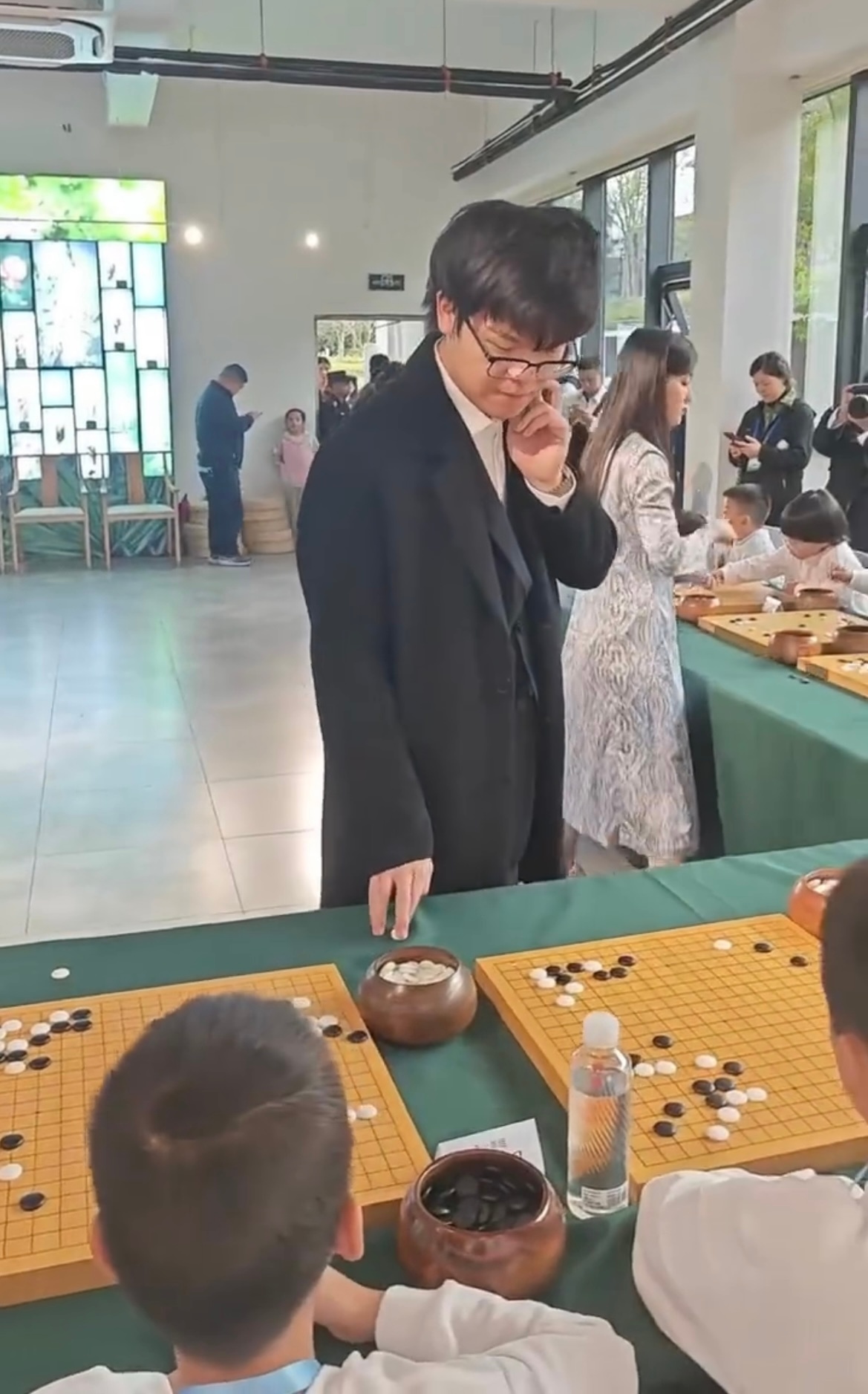
One of the main grievances cited by the Chinese team is the perceived bias in the tournament's rules and refereeing. There have been allegations of unfair treatment of Chinese players, particularly in the handling of disputes and controversies during matches. The Chinese team may be seeking to leverage its participation in the tournament to push for reforms and ensure a more level playing field.
Additionally, the withdrawal threat may also be motivated by a desire to protect the interests of Chinese players, such as Ke Jie, who is considered one of the world's top Go players. There have been rumors that Ke Jie may also boycott the upcoming strongest player tournament if the rules are not revised to his satisfaction.
The Chinese Go Association has taken a firm stance, demanding that the rules of the Nongshim Cup be revised. If these demands are not met, the association has threatened to withdraw the Chinese team from the tournament. According to sources, including a live broadcast by Korean Go player Kim Seong-ryong, the Chinese Go Association has submitted a formal letter to the Korean Go Association outlining several conditions, including a requirement to modify the rules of the tournament. The association's aggressive posture has sparked heated debate among Go fans and commentators, with some praising the association's determination to protect Chinese players' interests and others questioning the effectiveness of this approach.
Some fans have expressed strong support for the Chinese Go Association's position, calling for a public apology from the Korean Go Association and refusing to back down. Others have highlighted the potential consequences of China's withdrawal, including the possible absence of top player Ke Jie from the tournament. The Chinese Go Association's demands have also raised questions about the long-term implications of China's participation in international Go tournaments. As some commentators have noted, while a short-term withdrawal may be seen as a form of protest, it is ultimately more beneficial for China to engage constructively with the international Go community and work towards reforming the tournament rules. By doing so, China can increase its influence on the global Go stage and promote the development of the sport.
The situation has also sparked a wider discussion about the rules and organization of the Nongshim Cup, with some fans arguing that the tournament's format and rules need to be revised to ensure fairness and competitiveness. The Chinese Go Association's demands may be seen as an opportunity to address these issues and create a more level playing field for all participants. Ultimately, the outcome of this situation will depend on the negotiations between the Chinese and Korean Go associations, and the willingness of both parties to find a mutually acceptable solution.
The future prospects of the Nongshim Cup and the development of Chinese Go are closely intertwined with the current controversy surrounding China's potential withdrawal from the tournament. While the short-term decision to exit the competition may be seen as a form of protest against perceived unfair rules, it is essential to consider the long-term implications of such a move. Active participation in the Nongshim Cup, coupled with efforts to push for reforms, would likely have a more significant impact on the international Go stage, ultimately benefiting the development and global standing of Chinese Go. It is crucial for all parties involved to engage in constructive communication and negotiation to resolve the issues at hand, ensuring the Nongshim Cup continues to be a prestigious event in the Go community.
The potential consequences of China's withdrawal from the tournament could have far-reaching effects, not only on the competition itself but also on the global Go landscape. The Nongshim Cup has been a platform for showcasing the skills of top Go players from around the world, and its continuation is vital for promoting the sport and fostering international cooperation. Moreover, the development of Chinese Go is inextricably linked to its participation in international competitions like the Nongshim Cup. By actively engaging with the global Go community, Chinese players can gain valuable experience, learn from their international counterparts, and contribute to the growth of the sport as a whole.
Ultimately, finding a resolution that addresses the concerns of all parties involved is essential for the future of the Nongshim Cup and the development of Chinese Go. Through open dialogue and a willingness to work together, it is possible to create a more equitable and inclusive environment that benefits the sport and its players, regardless of their nationality. The news of China's potential withdrawal from the Nongshim Cup has sparked a heated debate among the public and sparked significant pressure from the media. Many Chinese fans and commentators have taken to social media to express their outrage and disappointment over the perceived unfair treatment of Chinese players, particularly Ke Jie, during the tournament.
Some fans have called for the Korean Go Association to publicly apologize for the controversy, while others have demanded that China stop all exchange activities with Korea until the issue is resolved. Many netizens have expressed support for a strong stance against perceived Korean bias. Other fans have argued that withdrawing from the tournament is a justified response to the lack of fairness in the competition. However, some experts and commentators have cautioned that such a move might not be the most effective way to address the issue, and that China should instead focus on actively participating in the tournament and pushing for reforms to improve the overall quality and fairness of the competition.
The controversy has also sparked a wider discussion about the state of international Go tournaments and the need for greater transparency and fairness in the sport. China's withdrawal from the Nongshim Cup could have significant implications for the future of the tournament and the sport as a whole, and that all parties involved should work together to find a resolution that promotes the development of Go and maintains the integrity of the competition.