No Spaces, Endless Jokes: Why Chinese Sentence-Breaking Keeps Confounding Readers
A trending topic about the 'absurd' ways Chinese readers break sentences shows how a language written without spaces turns every line of text into a small parsing puzzle — and a national joke that never runs out of material.
The trending topic read, roughly, "How absurd is Chinese people's ability to break up sentences?" — and the posts under it were an argument for adding spaces to a writing system that has never had them. Written Chinese places no gaps between words, so readers parse phrase boundaries as they go, and when a line can be parsed two ways, the wrong reading is usually the funnier one. A post of collected examples by a science-education account, reposted more than a thousand times, gathered the best of the genre.
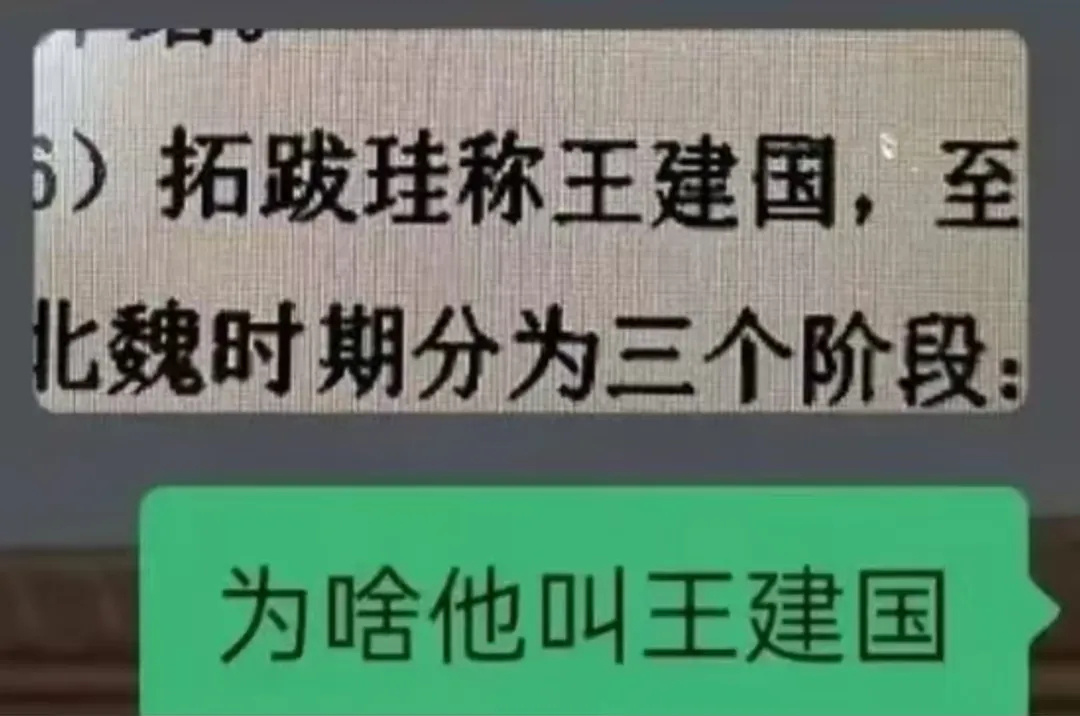
The favourite circulating this week came from a screenshot of a chat about Northern Wei history. The original text read "拓跋珪称王建国" — Tuoba Gui declared himself king and founded a state — and the reader's reply was a genuine question: "Why is he called Wang Jianguo?" (为啥他叫王建国). The parser had seen not "declared-king, founded-state" but the perfectly plausible personal name Wang Jianguo, one of the most common name shapes in China.
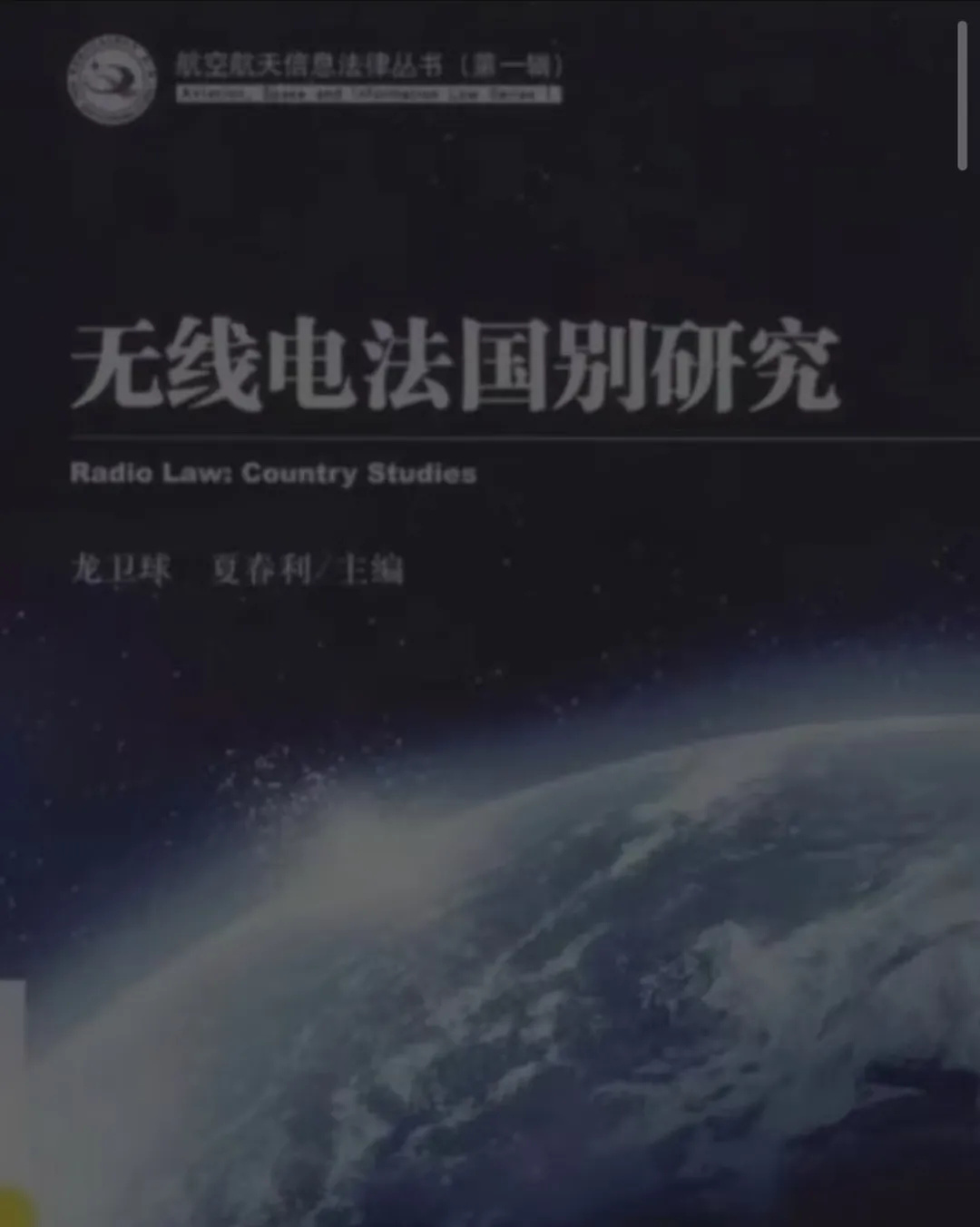
An academic book cover collected in the same thread works the same trick at greater stakes. The title "无线电法国别研究" means Radio Law: Country Studies — "无线电法" (radio law) plus "国别研究" (country-by-country). Rearranged by a casual eye it divides as "无线电法国" — Radio France — "别研究": Radio France, don't study it. The book, in an aerospace-information-law series no less, carries an English subtitle that quietly rescues the reader.
The classic of the genre, quoted in a repost under the topic, is "武汉市长 江大桥" — a sign for the Wuhan Yangtze River Bridge (武汉市/长江/大桥) that, with the space shifted, reads as an introduction: Wuhan Mayor Jiang Daqiao. The reposter allowed that by the fourth example in the set he was genuinely laughing; the bridge sign's ambiguity is old enough in Chinese internet lore that it functions as shorthand, cited without explanation.
What makes the topic durable rather than a one-day joke is that the ambiguity is structural, not a typo problem. Every Chinese reader does this parsing work unconsciously thousands of times a day; these examples merely catch the machinery in the act of choosing wrong, in contexts — a founding emperor's biography, a law series, a bridge sign — where being right matters. Signwriters and editors respond with countermeasures that show up across the thread: quotation marks, deliberate line breaks, re-ordered words. The collector's own verdict on his nine exhibits — "can't keep reading" (看不下去了) — is the standard review the genre receives.