Controversy Surrounds 29th LG Cup World Go Championship
The 29th LG Cup World Go Championship final match has sparked controversy, with the Chinese Go Association expressing dissatisfaction with the result of the third game. According to reports, during the decisive game on January 23rd, Chinese player Ke Jie's move was interrupted by the referee due to a technicality, as he failed to place his stone on the lid of the stone box. The referee initially announced a two-point penalty, but after negotiations, Ke Jie refused to accept the penalty and chose to forfeit the game instead, allowing his opponent, Bin Xiangyi, to win the championship.
The Chinese Go Association has since released a statement claiming that the referee's interruption was untimely and affected the normal progression of the game. The association believes that the player was overly disturbed by the referee's intervention and was unable to continue the game. Despite an appeal to the tournament organizers, the Korean Go Association, for a rematch, the Chinese Go Association has announced that it does not accept the result of the third game of the 29th LG Cup.
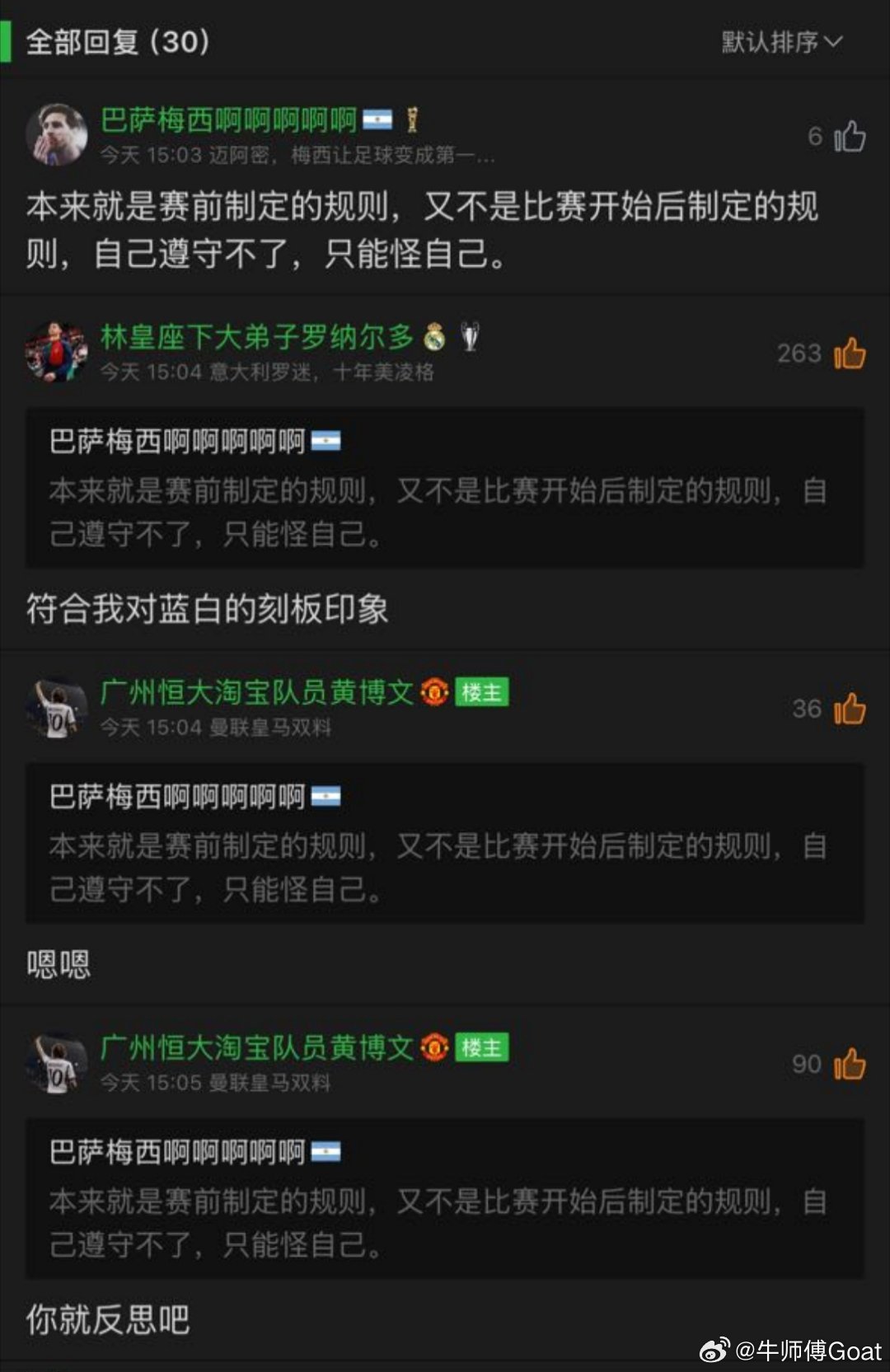
In a move seen as a response to the controversy, Ke Jie has changed his Weibo profile to "World Go Nine-Crown King," sparking a wave of support from fans who have flooded his previous posts with comments such as "You are the true nine-crown king!" The incident has ignited a heated debate among go enthusiasts, with some criticizing the referee's decision and others defending the rules of the game.
The controversy surrounding the rules of Go has become a focal point of discussion among netizens, with many arguing that the outcome of the game should be determined by the moves on the board, rather than by external factors such as the lid of the chess box. This sentiment is echoed in the expectations of the Chinese Go Association to protect the rights of Go players. The debate highlights the importance of fair play and the need for a unified set of rules to govern the game. As one commentator noted, "Go should be decided on the board, not on the lid." This statement reflects the widely-held view that the game should be won or lost based on the skill and strategy of the players, rather than by technicalities or external interference.
The incident that sparked this debate occurred during the 29th LG Cup World Go Championship, where Chinese player Ke Jie was defeated by Korean player Bin Xiangyi in the final match. The controversy centered on the rules governing the placement of stones on the board, with Ke Jie's team arguing that the referee's interruption of the game was unjustified and affected the outcome. The Chinese Go Association subsequently released a statement expressing its disagreement with the result and calling for a rematch, which was ultimately denied by the tournament organizers.
The controversy has sparked a wider discussion about the rules of Go and the need for greater clarity and consistency in their application. Many netizens have expressed support for Ke Jie and the Chinese Go Association, with some hailing Ke Jie as the "true" champion. The incident has also highlighted the importance of fair play and sportsmanship in the game of Go, with many commentators emphasizing the need for players to conduct themselves with integrity and respect for their opponents.
The Chinese Go Association is expected to further enhance its communication with other national and regional go associations, driving towards a unified set of rules for the sport globally while prioritizing the protection of players' rights. This effort comes in response to the heated discussion sparked by the final match of the 29th LG Cup World Go Championship, where Chinese player Ke Jie lost to Korean player Bin Xiangyi. The controversy surrounding the game's rules has highlighted the need for a standardized approach to ensure fairness and sportsmanship in the game.
The association's commitment to protecting players' rights is seen as a crucial step in maintaining the integrity of the sport. By promoting a unified set of rules, the Chinese Go Association aims to create a level playing field for all players, regardless of their nationality or background. This, in turn, is expected to foster a more competitive and exciting environment for the sport, with the outcome of each game determined solely by the players' skills and strategies on the board, rather than by external factors.
As the go community continues to grow and evolve, the importance of a unified rule set and robust player protections cannot be overstated. The Chinese Go Association's efforts to address these issues are likely to have a significant impact on the sport's development, both domestically and internationally. By prioritizing fairness, transparency, and player welfare, the association can help ensure that go remains a beloved and respected sport for generations to come.