Deng Yingchao: The Unyielding Champion of Women's Rights in China
The Legacy of Deng Yingchao: A Pioneer for Women's Rights in China
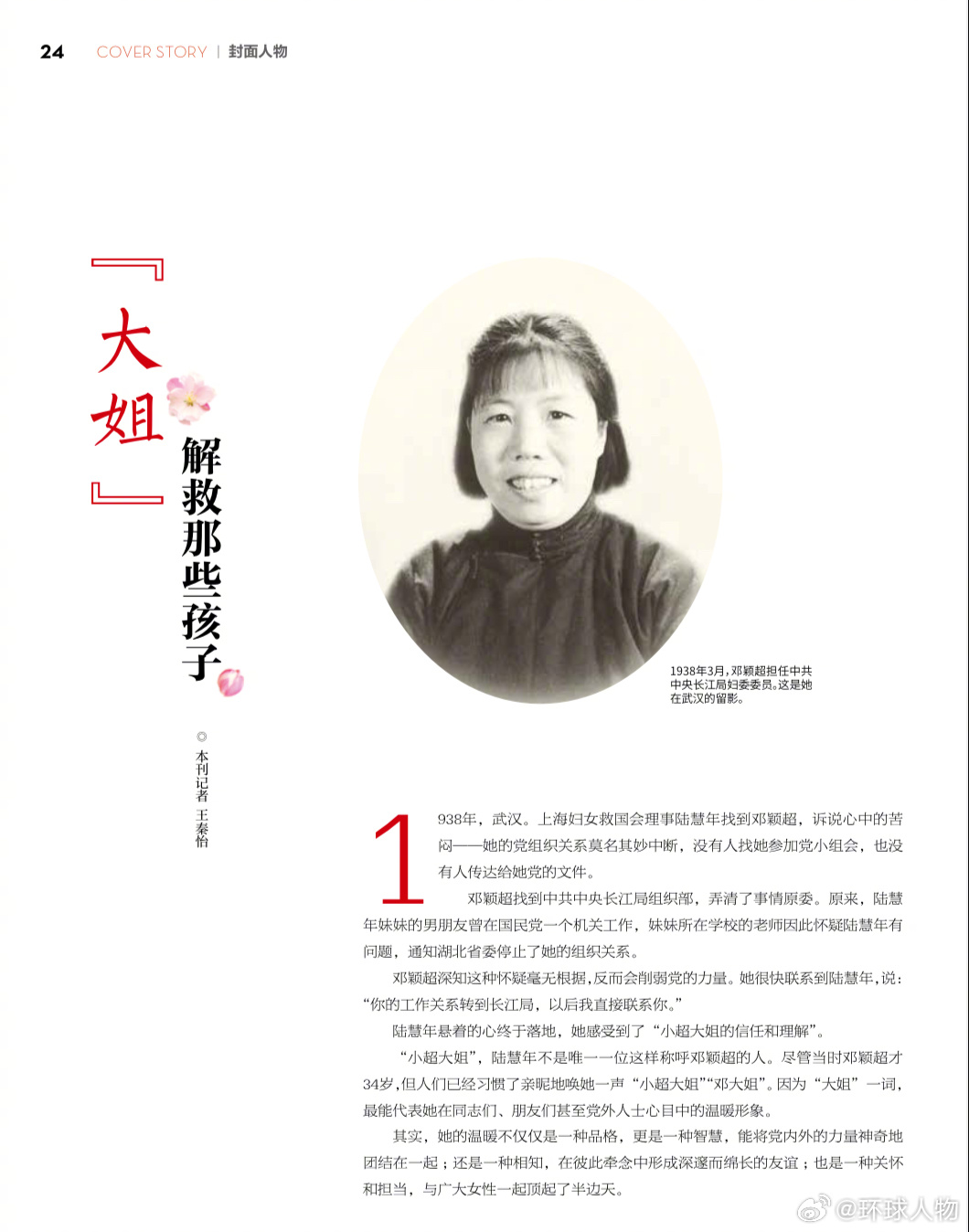
Seventy years ago, Deng Yingchao, a renowned Chinese politician and women's rights activist, played a crucial role in shaping the country's first marriage law. As a key figure in the drafting process, Deng advocated for the inclusion of a provision that would allow for divorce if one party insisted on it, a concept that was groundbreaking at the time. This move was not without controversy, with many opposing the idea, citing concerns that it would lead to the exploitation of women.
However, Deng's determination and conviction ultimately led to the inclusion of this provision in the 1950 Marriage Law, marking a significant milestone in the fight for women's rights in China. Her efforts did not go unnoticed, as she has been hailed as a champion of women's liberation and a trailblazer for future generations.
Deng's commitment to women's rights was not limited to the Marriage Law. Throughout her life, she worked tirelessly to promote gender equality and challenge traditional social norms that perpetuated women's subjugation. Her activism began at a young age, with her advocating for women's education and participation in politics.
Recently, netizens on Weibo have revisited Deng's legacy, sparking a heated debate about the current state of women's rights in China. Many have questioned the continued relevance of the "cooling-off period" for divorce, a provision introduced in 2003, which requires couples to wait 30 days before finalizing their divorce. Some argue that this provision has become outdated and can be used to manipulate women into remaining in unhappy marriages.
Others, like Fan Hongxia, director of the Women's Institute at the All-China Women's Federation, have come to Deng's defense, arguing that her advocacy for divorce rights was not about promoting frivolous or impulsive divorce, but rather about protecting women's interests and promoting their autonomy. Fan notes that Deng's position was based on extensive research, which showed that the majority of divorce cases were initiated by women, who were often subjected to abuse and neglect.
Fan also points out that Deng was not opposed to the concept of a "cooling-off period" per se, but rather to the idea that it should be used as a means to coerce women into staying in marriages that were not in their best interests. In fact, Deng was known to have intervened in cases where women were forced into marriages against their will, demonstrating her commitment to protecting women's rights.
Netizens have seized on this debate, with some calling for the abolition of the "cooling-off period" altogether, arguing that it has become a tool for suppressing women's rights. Others have countered that the provision is essential for preventing hasty divorces and promoting family stability.
One user, @ljz123, commented: "Can't we just cancel the 'cooling-off period'? It's just an excuse for men to control women. They either suffocate us with nonsense or try to drive us out of the house with nothing. Can't we hear the voices of the people?"
Another user, @wangxiaochen, noted: "70 years ago, 75% of divorce filings were initiated by women. Today, that number remains unchanged at 74%. Despite progress in other areas, women's status in marriage has remained stubbornly stagnant."
These exchanges illustrate the ongoing relevance of Deng's legacy, as women continue to fight for their rights and challenge the social norms that restrict their autonomy. While progress has been made, the fact that women still bear the brunt of divorce filings and face obstacles in their pursuit of happiness is a stark reminder of the work that remains to be done.
In recent years, China has made efforts to strengthen its laws protecting women's rights, including the introduction of the Anti-Domestic Violence Law in 2016. However, the implementation of these laws remains a challenge, with many women still facing significant barriers in accessing justice.
As China continues to grapple with the complexities of modern marriage and divorce, Deng's legacy serves as a powerful reminder of the importance of protecting women's rights and promoting gender equality. Her commitment to these causes has left a lasting impact on the country, and her spirit of activism and advocacy continues to inspire future generations.
In the words of Deng herself, "I am a woman, a Communist Party member, and I must serve the interests of women." Her unwavering dedication to this principle has left an indelible mark on Chinese history, and her legacy will undoubtedly continue to shape the country's journey towards a more equitable society.