Discovering Gray Tofu: A Culinary Accident Turned Delicacy in China's Guizhou Province
In the unassuming village of Anjia Du, nestled in the scenic province of Guizhou, China, a culinary phenomenon has emerged, captivating the hearts and taste buds of locals and visitors alike. Meet "gray tofu," or "灰豆腐" as it's known in Mandarin, a dish born from a serendipitous accident that has evolved into a signature delicacy of the region. The origins of gray tofu are steeped in resourcefulness and a dash of luck. Legend has it that a local farmer, facing scarcity, inadvertently dropped a block of tofu into the ashes of a stove. Rather than discarding it, the farmer decided to salvage the tofu, only to discover that the ash had imbued it with an extraordinary tenderness and a subtle, grassy aroma. This unexpected transformation sparked a culinary innovation, as the villagers of Anjia Du began to intentionally create this unique dish, experimenting with the combination of tofu and grasswood ash to perfect the recipe.
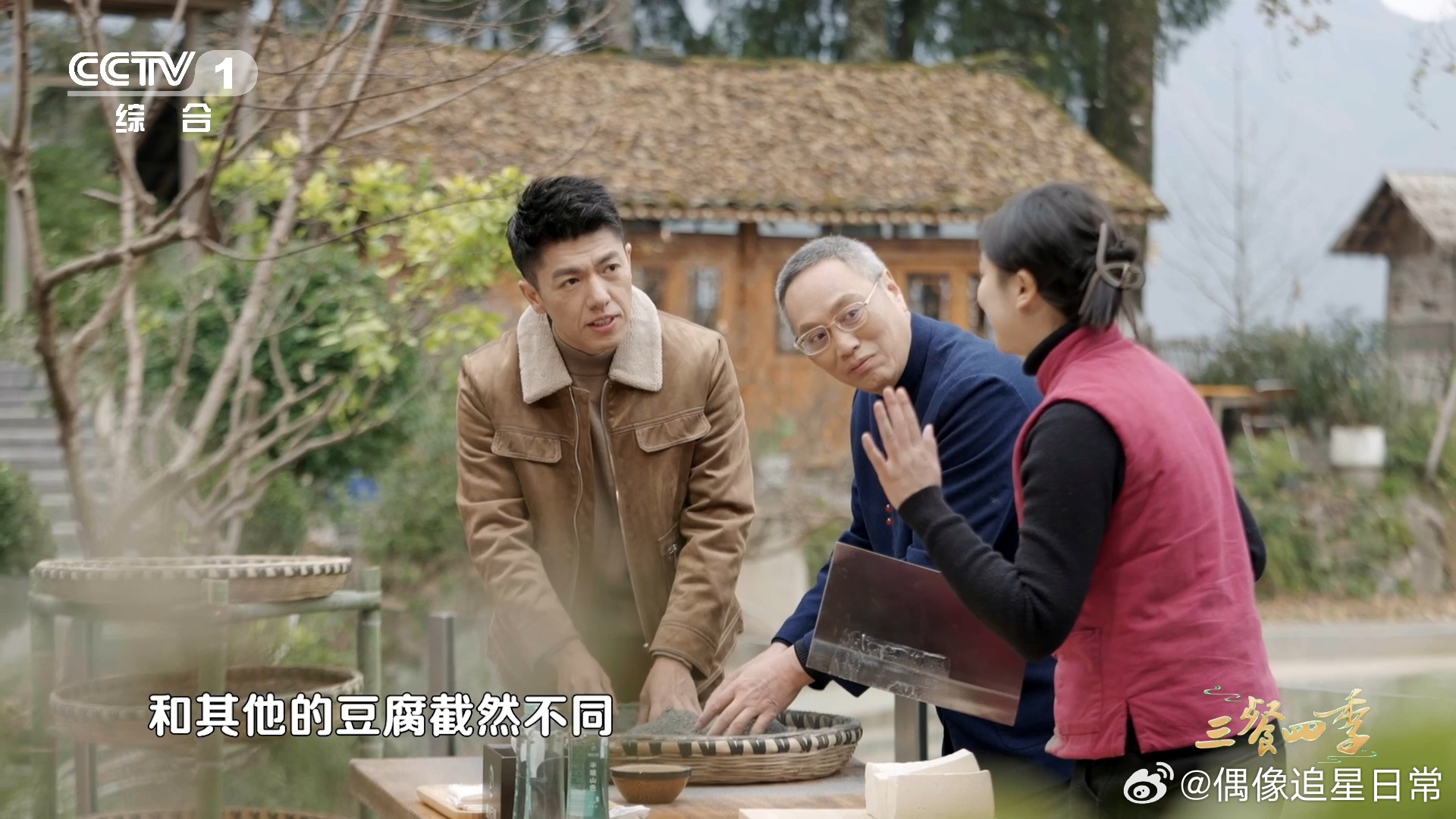
The process of making gray tofu involves carefully selecting the finest tofu and then deliberately coating it with a mixture of ash from burning grass and wood, before cooking it over low heat. The result is a dish that not only boasts a unique texture but also a complex flavor profile, combining the richness of tofu with the earthy, slightly smoky undertones from the ash. This peculiar blend has captivated food enthusiasts, prompting them to seek out this Guizhou specialty. The accidental discovery of gray tofu has not only enriched the local cuisine but has also become a symbol of the region's ingenuity and creativity in the face of adversity. As word of this quirky delicacy spreads, it invites all who are curious about the diverse tapestry of global cuisine to experience the unexpected delight that is gray tofu.
In the heart of China's Guizhou province lies the village of Anjia Du, where a culinary accident has given birth to a unique delicacy known as "gray tofu." This dish, born out of necessity and chance, has become a staple of local cuisine, captivating the hearts and taste buds of many. The story of its origins is as fascinating as the flavor it offers. According to local lore, the creation of gray tofu dates back to a time when a farmer inadvertently dropped a block of tofu into the ashes of his stove. Faced with food scarcity, the farmer decided to retrieve the tofu, only to discover that the ash-covered tofu had transformed into a culinary gem. The accidental infusion of ash gave the tofu a tender texture and an unexpected aroma of grass and wood, setting it apart from its traditional counterpart.
This serendipitous discovery has been passed down through generations, evolving into a cherished tradition in Anjia Du village. The process of making gray tofu remains simple yet distinctive, involving the deliberate coating of tofu in ash, which is then cooked to perfection. This traditional method not only preserves the story of its origins but also ensures that each bite tells a tale of resilience, innovation, and the beauty of culinary exploration. The appeal of gray tofu extends beyond its unique taste and historical significance. It represents the resourcefulness and adaptability of the people of Guizhou, who have turned an accident into an art form. This dish is a testament to the region's rich culinary heritage, where every ingredient and every method tells a story of tradition, community, and the relentless pursuit of flavor.
In the heart of Guizhou province, a unique culinary delight has emerged, born out of serendipity and resourcefulness. Gray tofu, or "灰豆腐" in Chinese, is a specialty of Copper Ren's Anjia Du village, where a happy accident involving a block of tofu and stove ash led to the creation of this distinctive dish. According to local lore, a farmer inadvertently dropped a block of tofu into the stove ash, and rather than discarding it, decided to cook and eat it due to food scarcity. To their surprise, the ash-covered tofu was not only edible but also possessed a tender and refreshing flavor, with a subtle hint of grassy aroma. The traditional method of preparing gray tofu involves coating the tofu in a mixture of stove ash, which is rich in alkaline minerals, and then cooking it over low heat. This process breaks down the proteins and fats in the tofu, resulting in a silky smooth texture and an unmistakable umami flavor.
When stir-fried with various ingredients, gray tofu takes on a fragrant aroma, making it an ideal addition to hot pots or stews. Its unique flavor profile has captivated locals and visitors alike, earning it a reputation as a must-try specialty in Guizhou's culinary scene. The story of gray tofu serves as a testament to the creativity and resourcefulness of Guizhou's villagers, who have managed to turn an accidental discovery into a beloved culinary tradition. As one enthusiastic foodie noted, "Because of the scarcity of ingredients, this dish must have a simple yet unique flavor." Whether you're a seasoned foodie or just looking to try something new, gray tofu is certainly an experience worth savoring.
As we delve into the world of modern cuisine, it's fascinating to explore how traditional dishes are evolving and gaining new appreciation. The concept of "灰豆腐" or grey tofu, which originated from an accidental discovery in Guizhou's Tongren Anjia Du village, has been gaining significant attention. This unique delicacy, born out of necessity during times of food scarcity, has not only captured the hearts of locals but is also attracting food enthusiasts from around the world. The story of grey tofu is a testament to the resourcefulness and resilience of rural communities. When a farmer inadvertently dropped tofu into the ash pit, he decided to retrieve and cook it, discovering that the ash-tinged tofu had a surprisingly fresh and tender taste, with a hint of herbal aroma. This serendipitous discovery has given birth to a new culinary phenomenon, with grey tofu becoming a beloved specialty in the region.
Today, grey tofu has become a sought-after dish, with many travelers and foodies flocking to Guizhou to experience its unique flavor profile. The combination of the tofu's natural texture with the subtle smokiness of the ash and the freshness of the surrounding environment has created a truly distinct gastronomic experience. As social media influencers and bloggers like 剧小桃, 芭比爱吃娱, and 甜罐里泡个剧 rave about the dish, grey tofu is gaining widespread recognition and popularity. Moreover, the rise of grey tofu represents a significant development in modern Chinese cuisine. It highlights the importance of preserving traditional cooking techniques and recipes, while also embracing innovation and creativity. The story of grey tofu serves as a reminder that even in the face of adversity, culinary traditions can be reinvigorated and reimagined, giving birth to new and exciting flavors.
As the culinary world continues to evolve, it's essential to recognize and celebrate the contributions of local communities and their unique food cultures. The emergence of grey tofu as a modern delicacy is a testament to the power of food to bring people together and transcend geographical boundaries. Whether you're a seasoned foodie or just starting to explore the world of Chinese cuisine, grey tofu is definitely a dish worth trying, and its story is an inspiration to us all.