Faking the Festive Spirit: The Rise of Pre-Made Tourist Photos on Social Media
In a creative move that is garnering attention on social media, some individuals have preemptively taken and shared their Chinese New Year tourist photos, sparking a wave of amusement and curiosity among netizens. The concept of "pre-fabricated" or "预制" tourist photos has emerged as a novel solution for those seeking to showcase their festive experiences without the hassle of navigating crowded tourist spots during the peak holiday season. This trend, popularized by 00后 (post-90s) girls who took their photos a week in advance, highlights the desire for a "精装" (highly polished) online presence, even if real life is "毛坯" (unrefined). This phenomenon raises interesting questions about the human need for social validation and the evolving nature of how we experience and share holidays in the digital age.
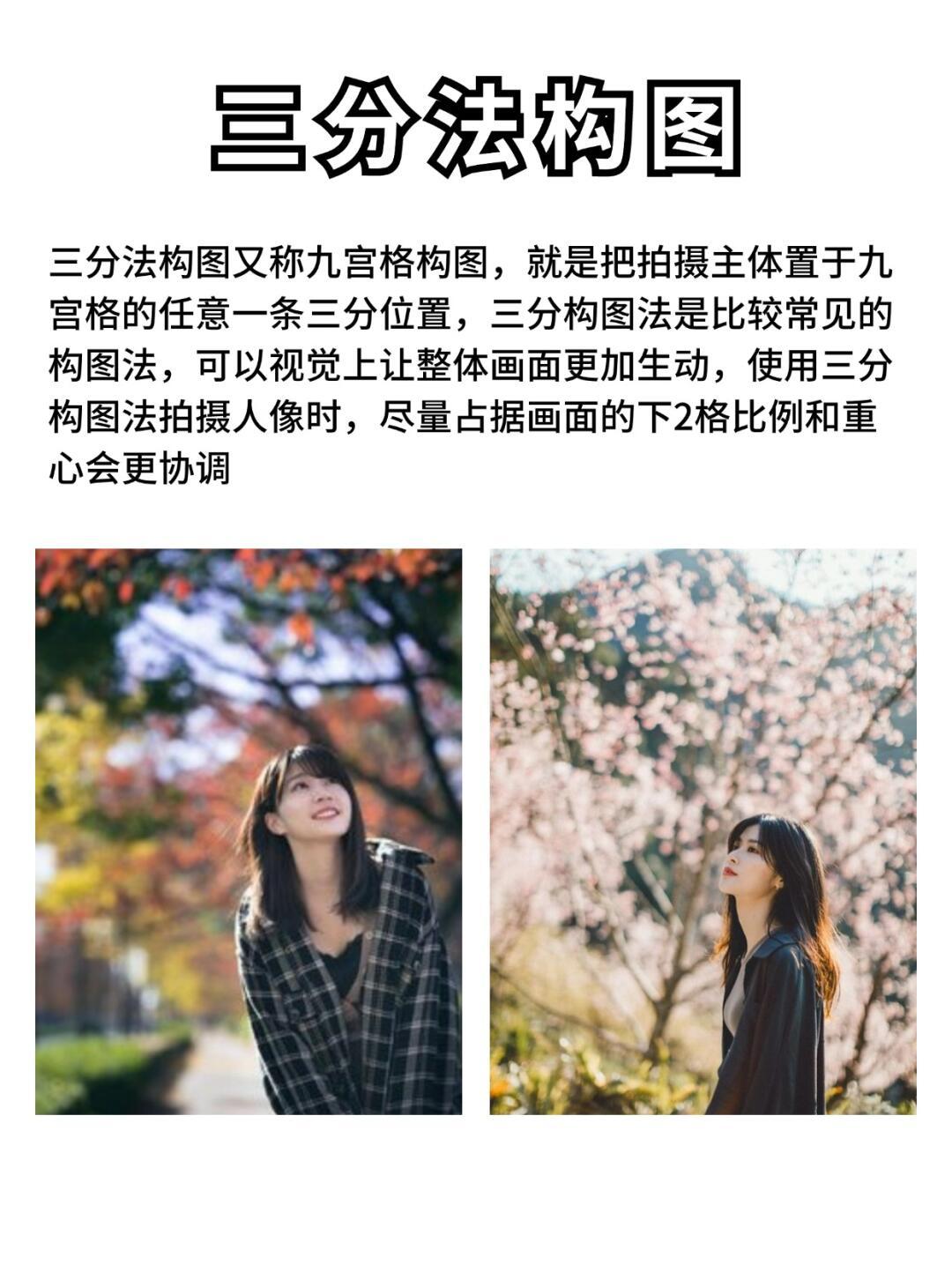
In the age of social media, the pressure to present a perfect online persona has become increasingly overwhelming. For many, particularly the younger generation, the idea of showcasing a flawless life on platforms like WeChat and Weibo has become an integral part of their online identity. This phenomenon has now taken a creative turn with the emergence of "预制游客照" (pre-made tourist photos) taken a week before the Chinese New Year. The concept, which has been making rounds on social media, involves individuals, mostly 00后女孩 (post-00s girls), taking photos in advance at popular tourist spots, cleverly avoiding the massive crowds that accompany the Chinese New Year. These photos are then posted on social media during the holiday period, giving the illusion that the individual is out enjoying the festivities, when in reality, they might be staying at home, avoiding the chaos.
This trend highlights the tension between the "real" and the "curated" life. While many acknowledge that real life can be "毛坯的" (rough around the edges), the desire to present a "精装" (polished) online image has become a priority for some. The question arises: in an era where social media presence is paramount, how much of our lives should be curated for public consumption, and where do we draw the line between authenticity and the need to present a perfect online persona?
As the Spring Festival approaches, the crowds of tourists flocking to popular destinations are expected to be larger than ever. However, a clever solution has emerged among some young individuals, particularly those from the post-00 generation. The concept of "预制游客照" or "pre-made tourist photos" has taken social media by storm, with some individuals taking to platforms like Weibo to share their experiences. The idea is simple: take photos in advance, often a week before the actual Spring Festival, and use them to create the illusion of being on vacation during the holiday period. This way, one can avoid the chaos and large crowds that typically accompany the festivities. By posting these pre-made photos on social media, individuals can create a facade of being out and about, exploring new places, and enjoying the holiday, when in reality, they might be staying at home, relaxing and avoiding the chaos.
This phenomenon highlights the increasing importance of social media in our lives, particularly among the younger generation. The desire to present a perfect online image, even if it means faking it, has become a significant aspect of modern life. As one Weibo user noted, "生活可以‘毛坯’,但朋友圈必须‘精装’" or "Life can be rough, but social media must be flawless." This mindset has led to the rise of pre-made tourist photos, where individuals prioritize their online image over the actual experience. The trend has sparked a mix of reactions, with some praising the creativity and resourcefulness of those who have taken to pre-making their tourist photos, while others have expressed concern over the authenticity of online interactions.
The recent trend of taking pre-festival tourist photos has sparked a lively discussion on social media. For many, the idea of snapping pictures in advance to post during the holidays seems like a clever way to avoid the chaos of crowded tourist destinations. As one user aptly put it, "Life can be 'mau pi' (rough), but friends circle must be 'jing zhuang' (refined)." This phenomenon highlights the dichotomy between the genuine, often messy experience of life and the curated, polished online persona we present to the world.
In today's social media-obsessed culture, it's no surprise that people, especially the younger generation, are looking for ways to showcase their holiday experiences without actually having to deal with the hassle of large crowds. By taking their tourist photos ahead of time, they can enjoy a peaceful holiday at home while still giving their friends and followers the impression that they're out exploring new places. This strategy not only speaks to the desire for a stress-free holiday but also underscores the importance of maintaining a certain image online. The concept of "jing zhuang" is particularly relevant here, as it emphasizes the value placed on presenting a refined and appealing exterior, even if the reality behind it is more mundane.
The zeal with which netizens have embraced this trend, with many praising its ingenuity and vowing to adopt it themselves next year, indicates a broader shift in how we approach our online and offline lives. It challenges traditional notions of authenticity in the digital age, raising questions about what it means to genuinely experience and share moments from our lives. As the lines between reality and curated reality continue to blur, trends like pre-festival photo shoots will likely become more prevalent. They represent a clever, albeit somewhat unconventional, solution to the pressures of social media presentation and the increasing complexity of navigating both our physical and digital worlds during peak holiday seasons.