The Insurance Policy Named 'A Perfect Life' a Grandfather Secretly Left His Grandchild
Opening a first bank card, a Chinese university student found a passbook paying in money every year — traced to a policy their dead grandfather had bought in secret, named 'A Life of Perfect Happiness', which pays until they turn 80.
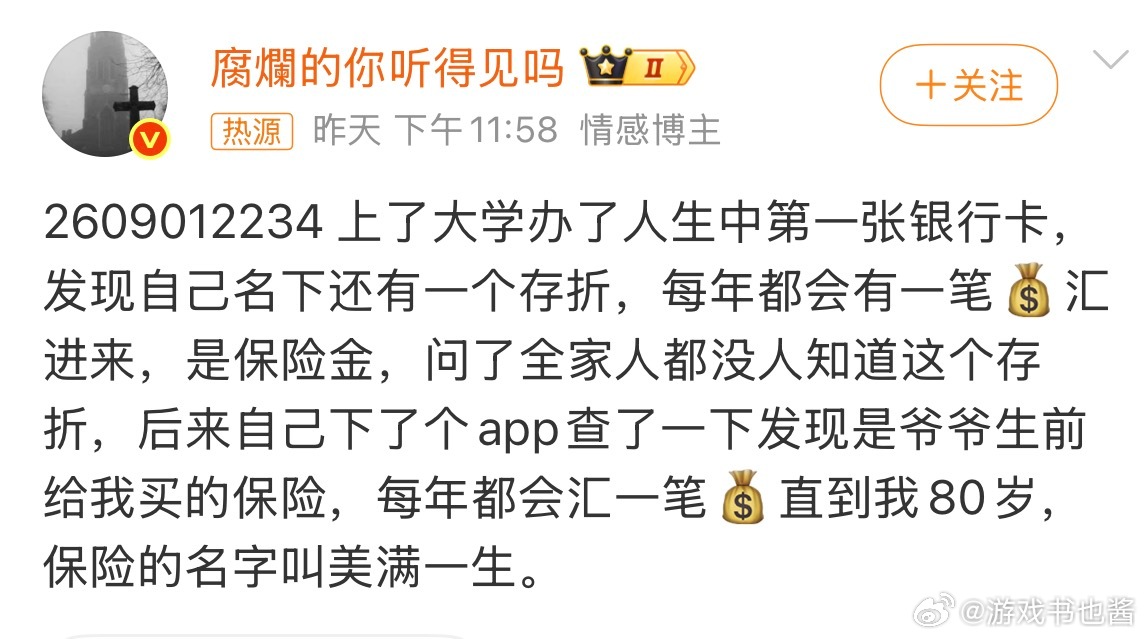
A university student opened their first bank card this month, as Chinese students do when they leave home, and found something unexpected: a second passbook already existed in their name, paying in a sum of money every single year. No one in the family could explain it. The student checked an insurance app, and the answer turned out to be a policy their grandfather had bought in secret before he died — one that will keep paying every year until they turn 80. Its name: Meiman Yisheng, "A Life of Perfect Happiness" (美满一生).
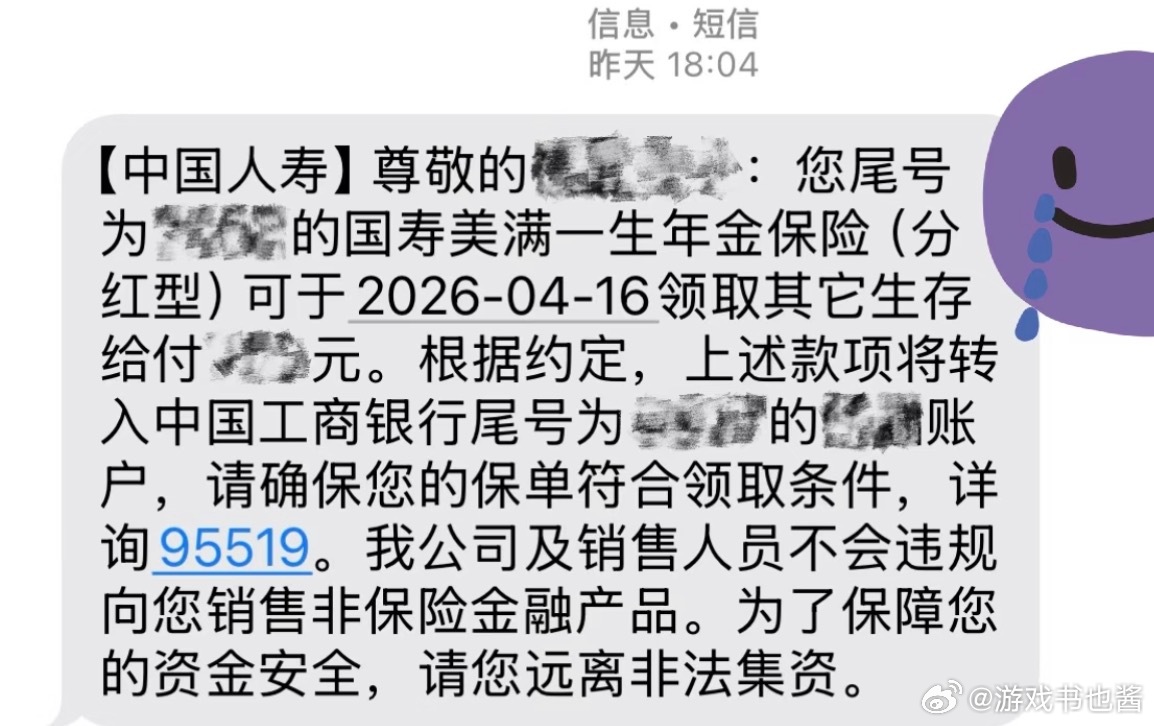
The story was told in a single post on Monday night, and by Thursday it had been liked more than 45,000 times. There is no scandal in it, no twist — which is precisely why it spread. The post is just the facts of the passbook, ending on the policy's name, and the name did the emotional work. A reply with photos of the paperwork — a text message from China Life confirming the annual survival benefit landing in an ICBC account — verified the mechanics: a dividend-type annuity, the kind of product sold to older Chinese as a way to leave money moving to a grandchild a little at a time, for decades, rather than in one inheritance.
The comment that travelled furthest reframed the whole arrangement: "This is your grandfather's New Year money, arriving every year." New Year money — yasuiqian, the cash grandparents tuck into red envelopes — stops when a child grows up, or when the giver dies. An annuity is yasuiqian industrialised: it keeps arriving after the giver cannot. "How lucky must a person be," the same commenter wrote, "to have a family member who loved them like this."
The posts under the hashtag read like a ledger of Chinese grandparental love, much of it discovered the same way — in an unmarked envelope years ago, in a now-forgotten bank product, in a sum of money that kept arriving with no explanation. It echoes a thread the site has tracked before: the grandfather whose final letter, kept in a freezer with the dumplings, surfaced after his death. In both cases the device of the story is the same — a grandparent who said little while alive, and whose care arrives as paperwork.
There is a mundane financial story inside the sentimental one, and Chinese commenters noted it too. Annuities like this were sold in their millions in the 2000s and 2010s, often to rural grandparents who trusted the state insurer's name; a yearly payment to a grandchild is exactly what such a policy was designed for. The student, one commenter observed, has inherited not just money but a schedule — eighty years of appointments with a man who planned for all of them.