Flagship Season Shows China's Phone Makers Building a Homegrown Chip Stack
Within a single late-August week, Huawei teased a new tri-fold and ChangXin Memory began mass-producing LPDDR6 memory for Xiaomi's next flagship — the clearest sign yet that China's phone champions intend to stock their devices from domestic silicon up. Apple, one report says, has already felt the shift.
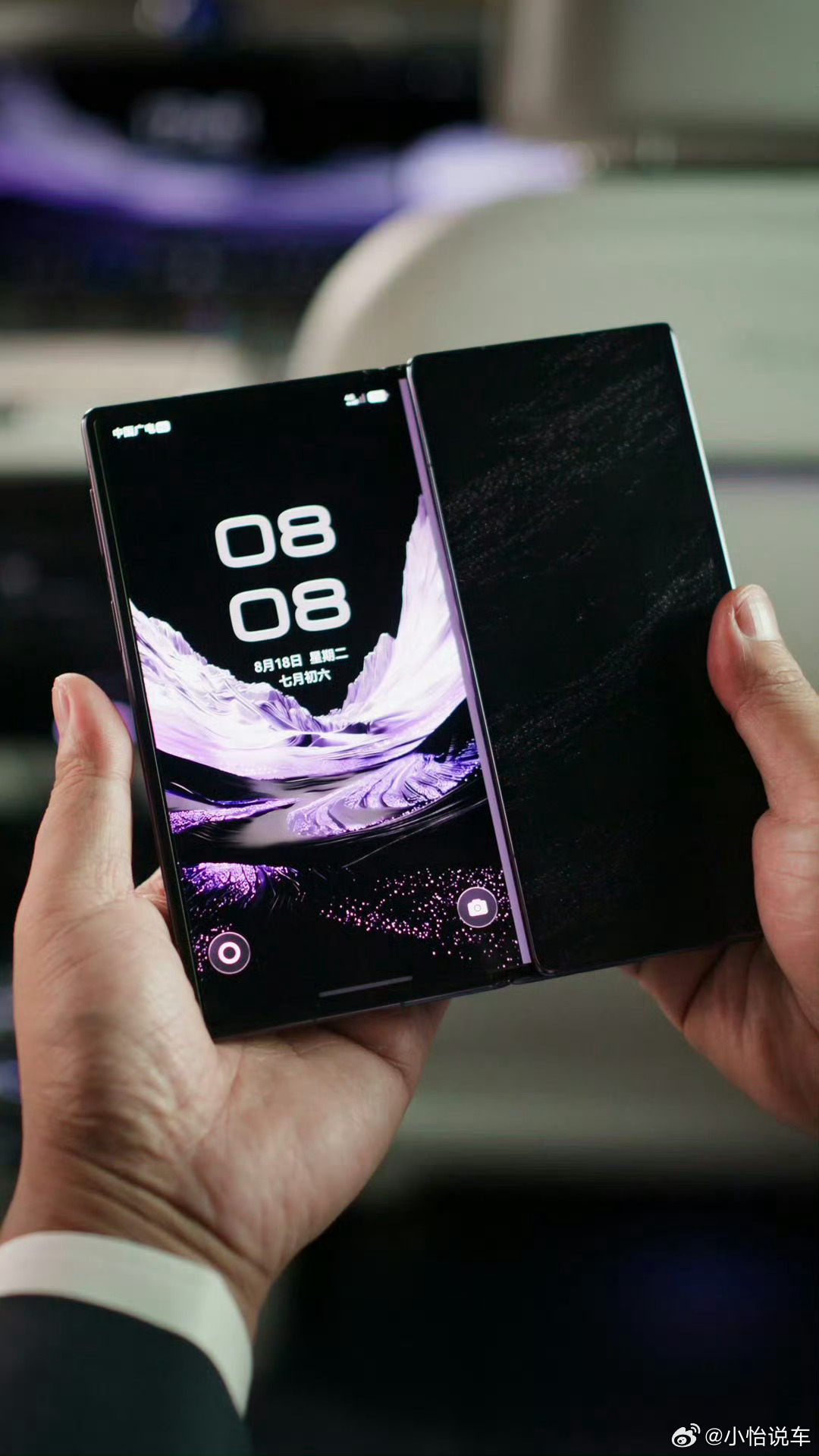
The same late-August week delivered two quiet milestones in China's handset industry, and together they sketch where its technology policy is heading. On Sunday, Huawei's new tri-fold phone trended across Weibo after teasers circulated of a device its users call the best-looking foldable yet — the successor to the world's first mass-produced tri-fold. Richard Yu, Huawei's consumer chief, claimed on Baidu's board that the new model is the industry's thinnest and largest when opened (headline). One early post showing the phone partly unfolded drew queues of users announcing upgrades; another simply invoked Huawei's most famous slogan, "yao yao ling xian" (遥遥领先) — "far, far ahead" — a catchphrase that has become shorthand for the company's defiance under US sanctions.
Memory, made in Hefei
A day earlier, the ground under the whole market shifted: ChangXin Memory Technologies (CXMT), China's leading DRAM maker, announced formal mass production of LPDDR6 — the next generation of smartphone working memory — with first deployment in Xiaomi's upcoming 18 Fold flagship, CCTV Finance reported. The same phone will carry Xiaomi's own XRING O3 processor, meaning a Chinese-designed chip driving Chinese-designed memory in a mass-market product. Memory has been the tightest oligopoly in semiconductors — Samsung, SK Hynix and Micron — and this announcement, a top-trending Zhihu question within hours (where Lei Jun's congratulations circulated), is the strongest signal yet that a fourth supplier intends to compete at the flagship tier.
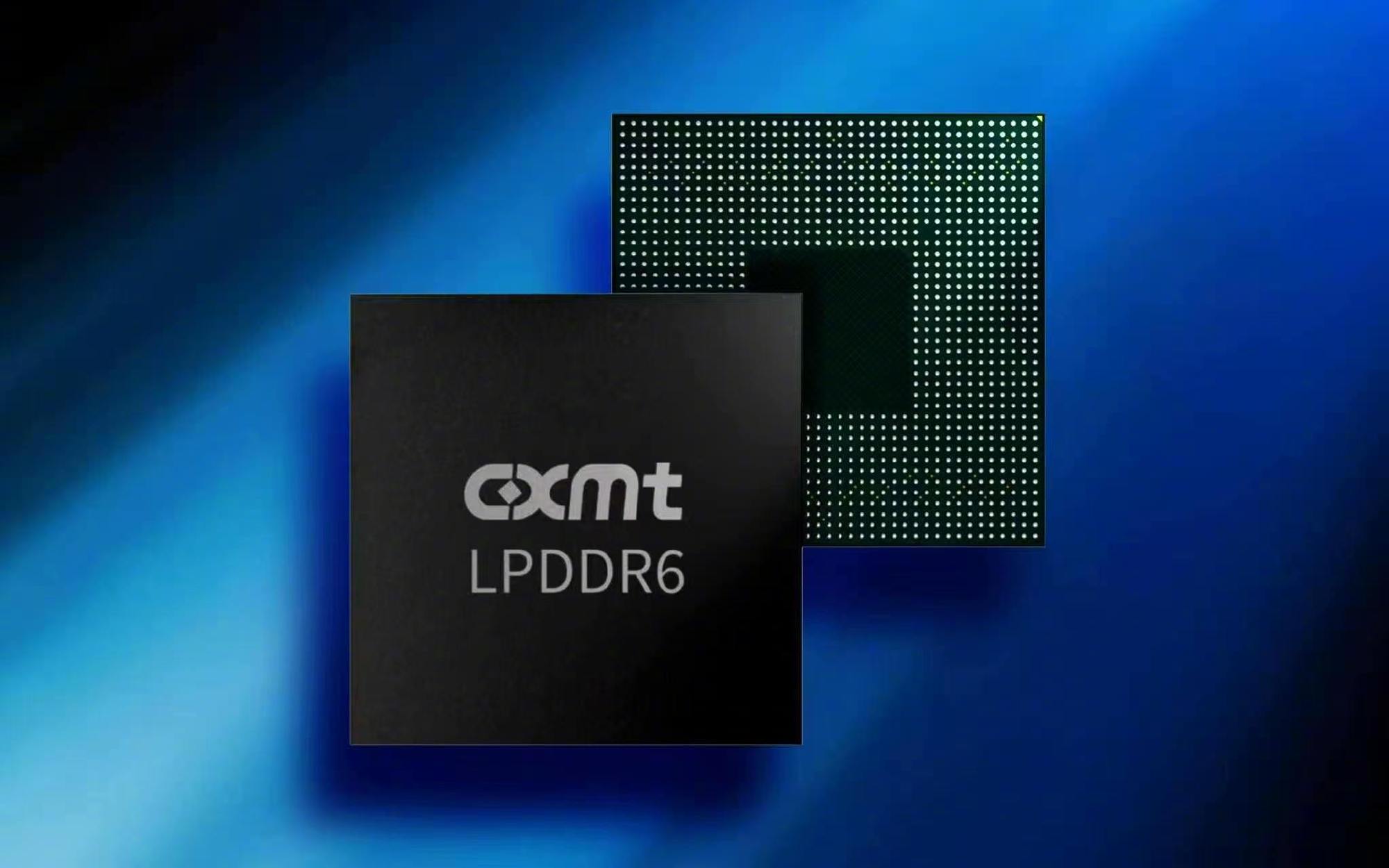
The detail catching the most attention predates the announcement by weeks. In early August, Chinese business media reported, citing industry sources, that Apple had approached CXMT about LPDDR5X supply and then pressed for price cuts — and was refused, with CXMT quoting at or above Samsung's and SK Hynix's levels. A supplier that two years ago chased the commodity end of the market negotiating with Apple as an equal is being read in China as the moment the balance shifted. It tracks with broader numbers: a Baidu-trending industry roundup (here) claims China's integrated-circuit exports in the first seven months of 2026 exceeded all of last year's, up 99.5% year on year, with memory the largest driver.
Chinese consumers have their own ask. One widely liked post congratulated the industry, then cut to the point: could some capacity please bring memory prices down, because a DIY desktop is suddenly unaffordable. That is the open question the flagship season leaves: a domestic stack is being assembled at the top of the market, but its benefits reach shoppers only when the capacity lands in the open one.