Global Phone Shipments Sink to a 14-Year Low as AI Data Centers Absorb the Memory Supply
Counterpoint Research estimates smartphone shipments fell 20 percent in the third quarter as memory prices, driven up by AI data-center demand, pushed retail prices higher. On the same day in Shanghai, a Chinese startup launched a phone built around AI agents — the industry's bet on what comes next.
The world's smartphone market just recorded its worst quarter in more than a decade, and the culprit is not a demand problem — it is the other industry buying the same parts. Preliminary figures from Counterpoint Research put global shipments in the third quarter of 2026 down 20 percent year on year, the lowest level for that period since 2012, as the buildout of AI infrastructure keeps absorbing the world's memory-chip supply. Storage costs have risen for two consecutive quarters, pushing smartphone retail prices up roughly 20 percent this year, and consumers are responding by holding on to their current phones longer and considering refurbished ones.
Chinese consumers did not need the chart to tell them this. Huawei said this month it can no longer absorb memory-chip costs and will have to raise phone prices, and Apple has already cut orders for the iPhone 18 Pro as memory prices cool China's upgrade fever. The debate under the hashtag "phones are not selling well" (手机不好卖了) was less about the numbers than about what they mean. "This isn't simple downgrading, it's rational consumption," one widely shared post argued — people used to replace a phone when a new model appeared, now they replace one only when it breaks, a shift the poster called "permanent, not something that reverses when the economy warms up."
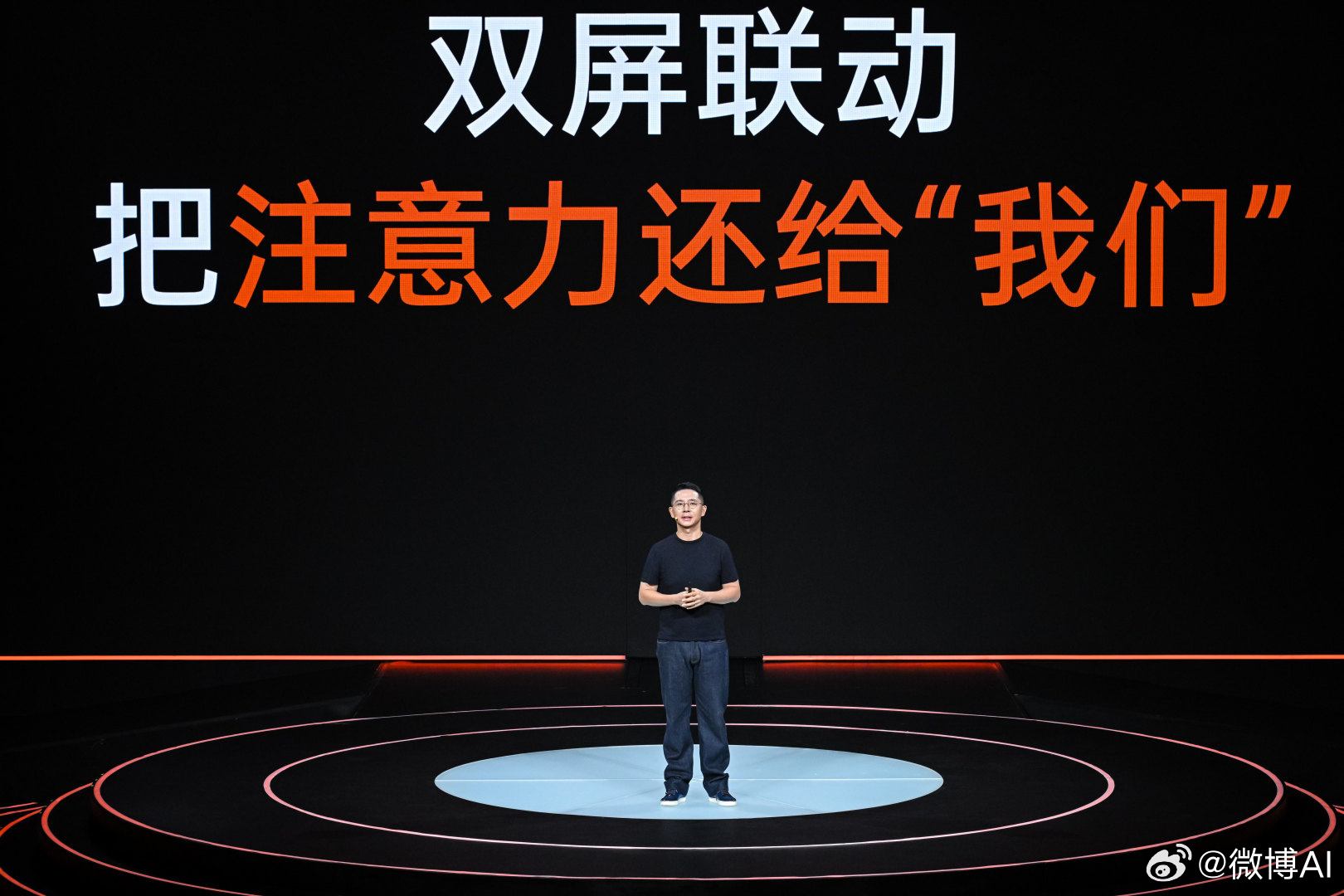
Into this market, on the very day the shipment numbers landed, a Shanghai company called StepX Terminal launched what it calls the first large-model-native "agent phone" — the STEPX Neo, priced from 3,999 yuan with the company's models, operating system and development tools bundled into the hardware price. Where a normal phone is a container for apps you open one by one, the STEPX Neo is built around an assistant that is supposed to take the goal and do the errand: the launch video showed it listening through a six-microphone array, using a second screen on the phone's back to display what it is thinking, and reaching into partner services from Alipay to Didi and Meituan to actually execute tasks.
The pitch — "give attention back to us," as the stage slogan had it — is that you will stop tapping through apps at all. It is a claim that lands differently when the market's problem is that nobody needs a new phone. The bet across the industry, from Huawei's homegrown Kirin silicon to agent-first operating systems, is that AI becomes the reason to upgrade that bigger screens and better cameras no longer are.
There was a note of skepticism in the commentary worth taking seriously: analysts pointed out that prices are not coming back down, since the memory being swallowed by data centers is not coming back either. If the industry wants people to spend more on phones they keep for longer, the machine that convinces them will have to be worth the money. The STEPX Neo's launch was, in effect, the first full-dress argument for that proposition — and the queue of app giants signing up as partners suggests everyone is preparing for the trial.