Apple Cuts iPhone 18 Pro Orders as Memory Prices Cool China's Upgrade Fever
Apple has asked suppliers to cut component orders for the iPhone 18 Pro by at least 15 percent after soaring memory-chip prices forced prices up and dulled demand in one of its most important markets — just three weeks after the phone went on sale in China.
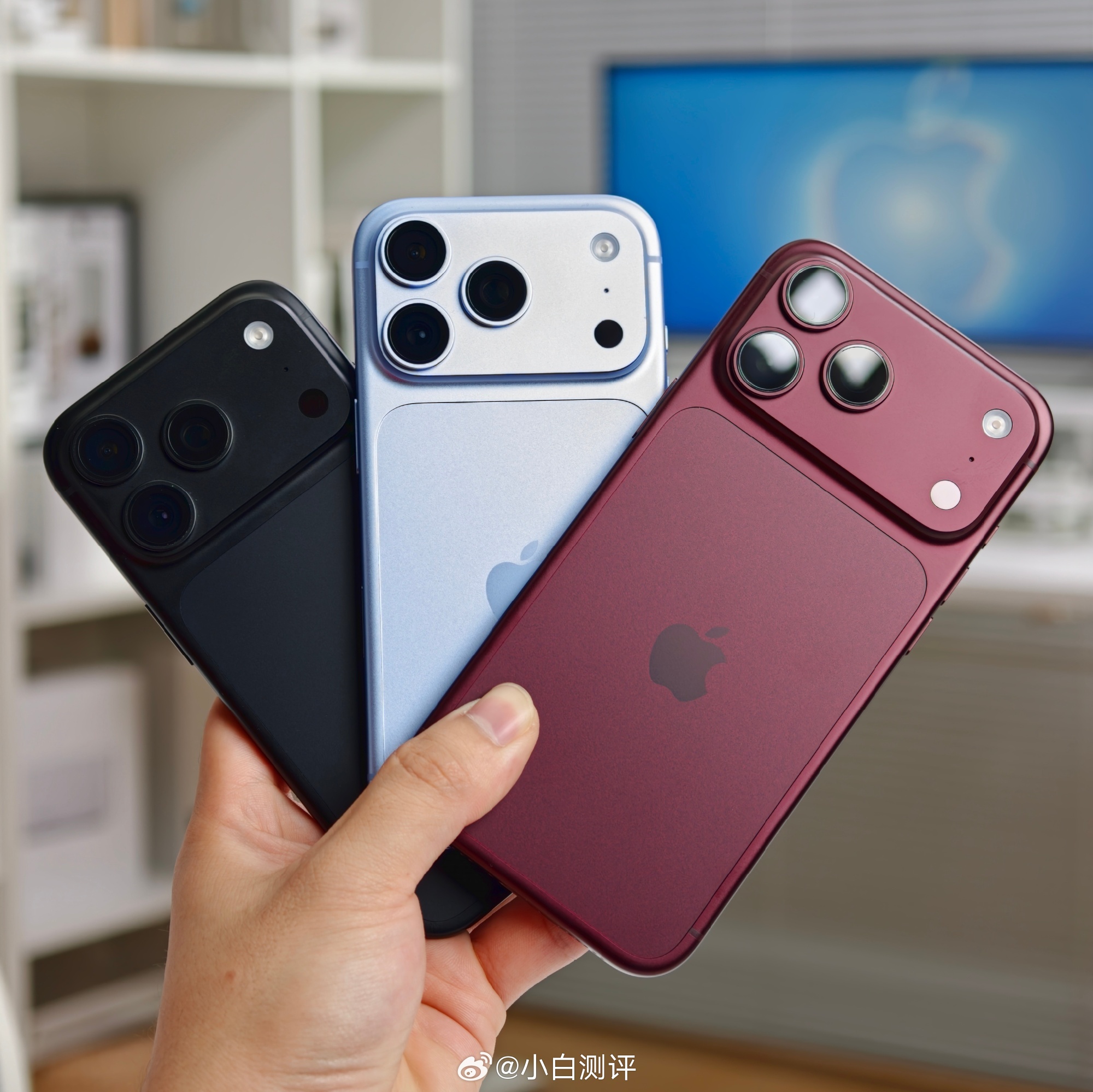
Apple has told suppliers to scale back production of the iPhone 18 Pro and iPhone 18 Pro Max, according to multiple reports that hit Chinese social media on Friday under the trending hashtag "iPhone18Pro can't sell" (iPhone18Pro卖不动了). Two sources told suppliers that component orders this month had been trimmed at least 15 percent below what was originally requested, with one executive putting the cut at "15 to 20 percent for October alone." The stated reason is not a flop so much as a squeeze: memory-chip costs have surged industry-wide, Apple raised prices to compensate, and consumers balked.
The timing is striking. The Pro models launched barely three weeks ago, and in past cycles that window was when Chinese buyers queued, scalpers marked up stock, and delivery dates slipped for weeks. This year the Pro Max still sold out on day one — as we covered at launch — but the smaller Pro has been readily available at a discount almost immediately, a signal analysts read as soft demand rather than tight supply.
Chinese tech writers have framed the cut less as an Apple story than as a change in buyer psychology. "Before, Apple meant buy it. Now Apple means think about it," one popular reviewer wrote, arguing that the annual upgrade — a slightly faster chip, a slightly better camera — no longer justifies a five-figure-yuan phone, so the "wait-and-see party" (等等党) keeps growing and upgrade cycles stretch from one year toward three. A supply-chain pushback followed within hours: people in the component trade told Yicai that total order volumes had not "substantially changed," suggesting Apple is rebalancing between models as much as cutting.
What makes the story bigger than one phone is the component behind it. Memory prices have been climbing for months, and the bill is now landing across the industry: Xiaomi confirmed on Friday that its flagship 17 Ultra had risen 1,000 yuan across the board, with customer service citing core-component costs, and Samsung is reportedly weighing a 20 to 30 percent cut to fourth-quarter phone output to protect margins. In that light, Apple's order cut looks less like a verdict on the iPhone 18 specifically and more like the first visible casualty of a memory supercycle that is repricing every smartphone.
It is also a verdict of sorts on the premium-phone market Apple built its Chinese business on. Domestic rivals have spent two years closing the gap in cameras, charging and AI features at lower prices, and reviewers note that buyers weighing the same budget now have several credible answers rather than one. Apple's early-2026 bet — shipping three high-end models first and holding back the standard iPhone 18 and a new Air for spring — may have sharpened the problem, stacking its priciest devices into exactly the quarter when its most price-sensitive market turned cautious. The company's willingness to cut within weeks, before the standard model even exists, suggests it would rather protect margins on a smaller run than discount its way through a glut — a notable shift for a brand that spent a decade treating Chinese demand as close to inelastic. Whether the spring models arrive into a calmer memory market, or a more expensive one, will shape the answer to the question Chinese consumers are now openly asking: what is an iPhone worth?