Three New Cars, Three Snapped Brake Pedals: The Test That Crashed JAC's Stock
A review channel's test video showing the brake pedals of three brand-new Zunjie V800s — a luxury MPV built by JAC Motors inside Huawei's car alliance — breaking under repeated emergency stops knocked JAC's shares to their daily limit on October 8 and left one of China's most ambitious premium car projects facing its first brand crisis. The brands have yet to issue a formal statement.
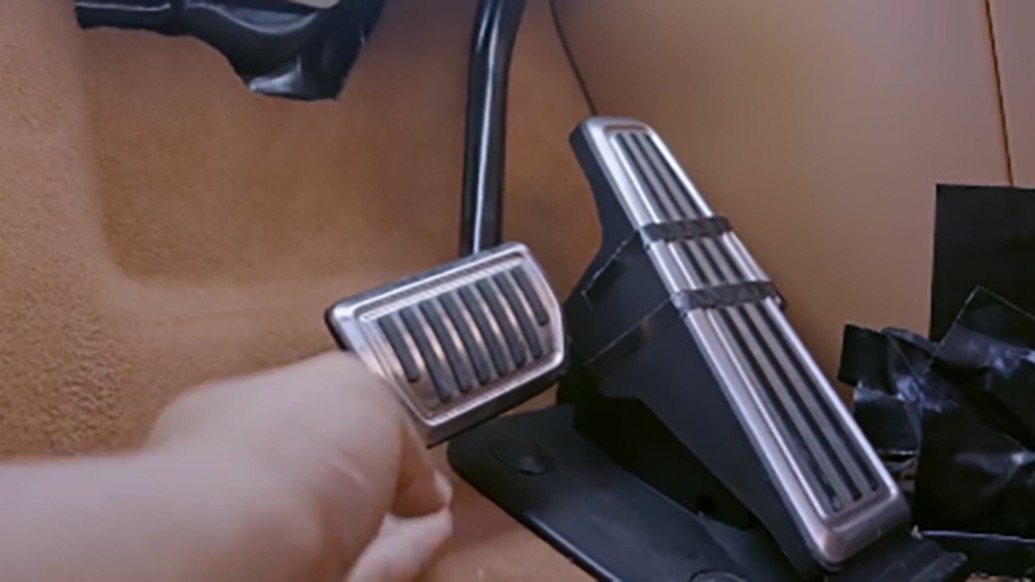
The video that Weibo spent Thursday arguing about lasted a few minutes. Dongchedi, the car-review platform spun out of ByteDance, put three brand-new Zunjie V800s — a luxury MPV priced between 766,000 and 1.02 million yuan — through repeated full-force braking from 100 km/h on a closed course. On each car, the bracket holding the brake pedal snapped underfoot, somewhere between the second stop and the fourth. With the pedal gone, the drivers could only bring the cars to a halt through the parking gear, and the distance needed to stop reportedly stretched from around 38 metres to about 140.
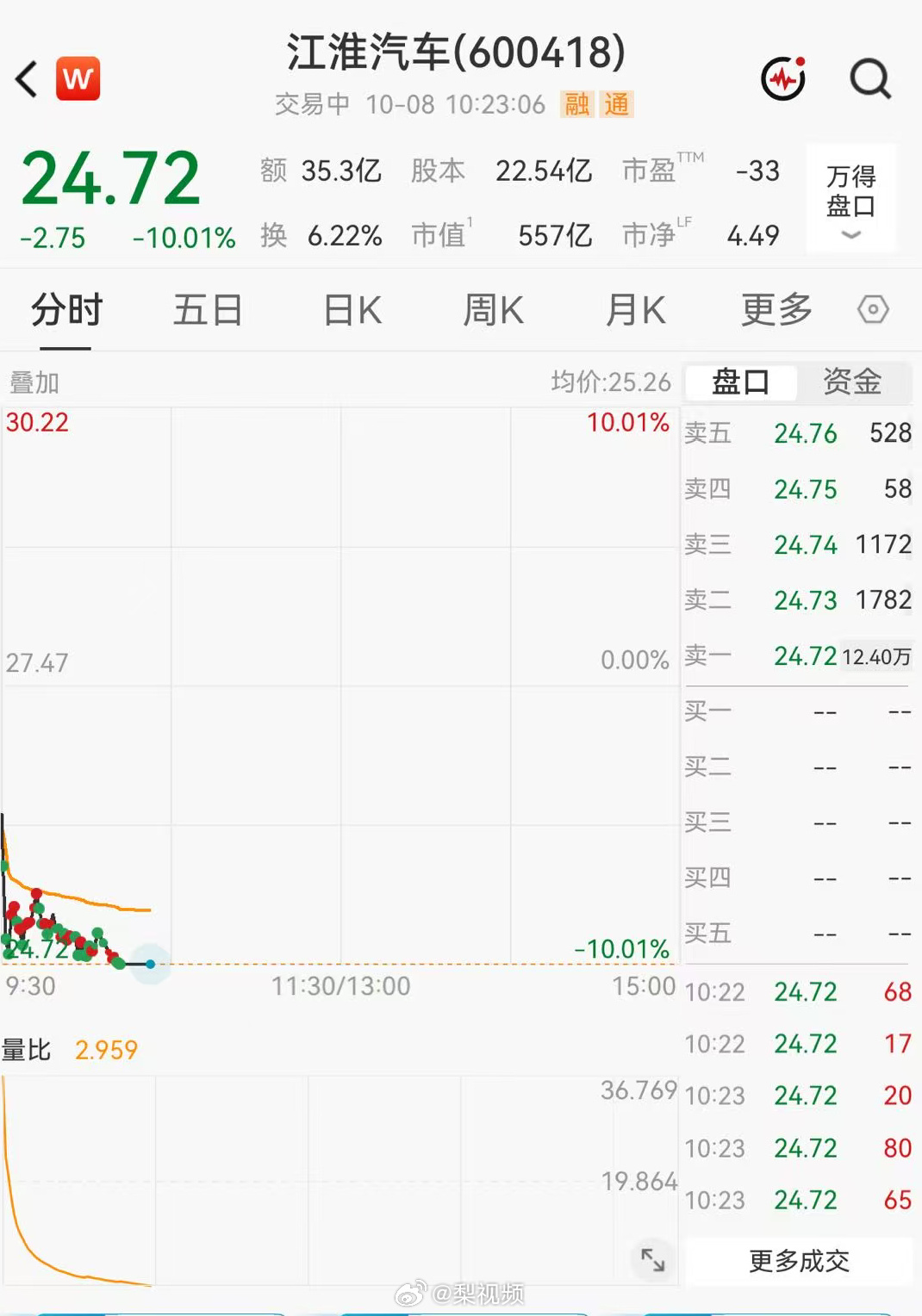
The market reacted before the company did. JAC Motors, the state-owned automaker that builds Zunjie inside Huawei's car alliance, hit its 10 percent daily trading limit within hours of the video, standing at 24.72 yuan by midday with more than 3.5 billion yuan already traded. The fall was harsher for what came before it: the stock had climbed over 40 percent between September 11 and 30 on reports that Huawei and even Stellantis might deepen their ties with the company — ties JAC disclosed as no more than an intention to talk — while the company is unprofitable, with a net loss of about 749 million yuan in the first half of the year.
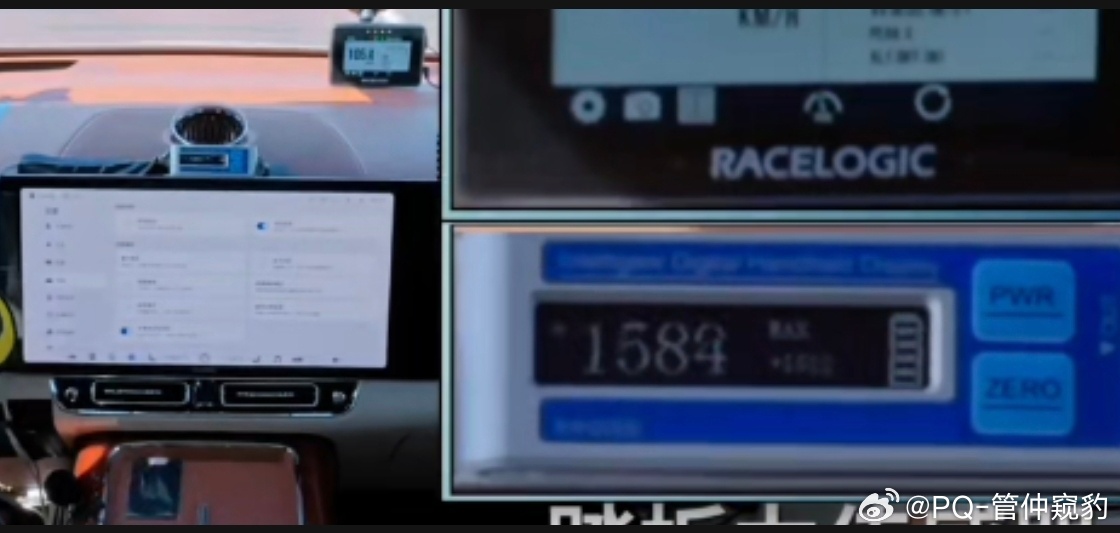
What the numbers mean is now the whole argument. In Dongchedi's data the brackets failed at roughly 1,600 newtons of pedal force; industry practice recommends a pedal assembly hold about 2,000 newtons for five seconds, though that is a voluntary standard — China's mandatory national standard governs whether a car stops, not how strong its pedal is. Defenders note the testers were stomping repeatedly, far beyond what a foot does in ordinary driving; sceptics answer that three cars from different production batches failing in the same way is a pattern, not bad luck. "Separate the test facts from the responsibility conclusion," one widely shared engineering analysis urged — three identical breaks across batches "must be investigated", while whether it amounts to a defect is for the maker and an accredited laboratory to establish. Even the test's most alarming figure, a recorded force peak of 4,589 newtons, was challenged as a screen-flicker misread of the instrument's display.
The brand at stake is Huawei's prestige play. Zunjie, marketed internationally as MAEXTRO, sits at the top of the HarmonyOS Intelligent Mobility Alliance, the arrangement under which Huawei lends technology, design and sales muscle to partner automakers without building cars itself — the alliance's best-known line, AITO, was renewed with its maker Seres for another five years only last week. Owners took the news personally. "If Dongchedi's test holds up, a recall is almost certain," wrote one S800 owner in a post that drew more than 5,000 likes. "I chose the three-motor version precisely so it would be safer in extreme situations. This shakes trust in the whole brand."
By evening, none of the three parties — Zunjie, JAC or the alliance — had issued a formal statement. JAC staff told reporters the company was "paying attention"; the brand's customer-service line said it had "noticed the video and is verifying it". Weibo's trending label said it plainly: the Zunjie V800's brand has still not responded. Commentators were already sketching the trap. Fight the claims in court and the brand spends months as the defendant in the country's feed; recall, and every snapped pedal becomes an exhibit for the plaintiffs. One strategist's proposed third path — invite an official laboratory, with state television filming, to test the car publicly — says something about whom Chinese buyers trust more than either the brand or its critics.
By afternoon the story had escaped the car-internet bubble: it sat at No. 2 on Baidu's hot-search board, The Paper's own trending list carried the limit-down, and a Zhihu question on the stock's collapse carried a heat score above 1.6 million. What accredited labs eventually say about the pedal will take longer. In the meantime the market has voted, and the company has yet to say whether the cars will be recalled.