China Investigates Huang Qifan, the Retired Chongqing Mayor Who Stayed a Public Voice on the Economy
China's top discipline watchdog announced on October 13 that Huang Qifan, mayor of Chongqing from 2010 to 2016, is under investigation for suspected "serious violations of discipline and law." The probe reaches a 74-year-old who had kept a public profile as an economic commentator a decade after leaving office.
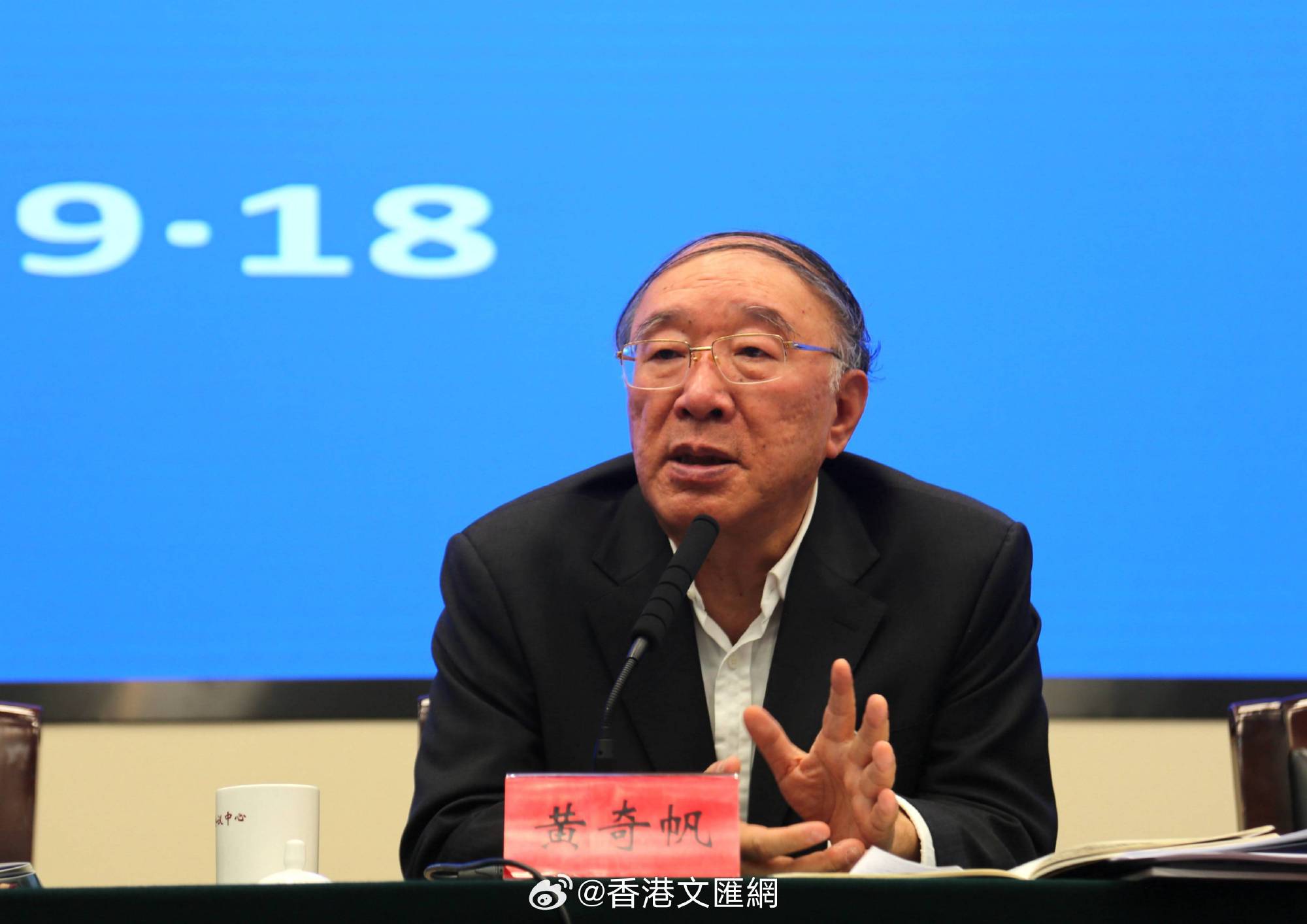
At six in the evening on October 13, the website of the Central Commission for Discipline Inspection carried a single sentence: Huang Qifan, former deputy party secretary of Chongqing and former mayor of the municipality, "is suspected of serious violations of discipline and law and is currently undergoing disciplinary review and supervisory investigation." Xinhua relayed it word for word. Within hours it was the lead item on CCTV's evening news, the No. 2 story on Baidu's search board, a Caixin brief titled simply "Huang Qifan Falls," and a dispatch from Taiwan's Central News Agency — an unusual unanimity, across platforms and political perspectives, about which piece of news mattered on Monday.
Born in Zhuji, Zhejiang, in May 1952, Huang made his career in Shanghai's economic bureaucracy before moving to Chongqing as vice mayor in 2001. He served as acting mayor from 2009 and mayor from 2010, steering one of China's four province-level municipalities for six years before stepping down in 2016 to become a deputy director of the financial and economic committee of the National People's Congress.
Retirement did not quiet him. Huang remained one of China's most quoted voices on industrial policy and municipal finance, appearing at forums and in the financial press well into his seventies. A trending item on Baidu on Monday noted that he had spoken in public as recently as a month ago. To readers of China's business media, his name was a fixture, not a warning.
The notice gives no details of the alleged violations, which is standard at this stage of a case. But the inquiry fits a pattern the discipline system has made familiar: its willingness to reach officials years after they leave office. On October 10, a court sentenced Zhou Xianwang, Wuhan's mayor during the pandemic, to 14 years for bribery — a reminder of how cases at this level have tended to end, and of the interval that can pass between a notice like Monday's and a verdict.
Under Communist Party procedure, the one-line announcement is typically followed by months of silence while investigators work; any charges are announced only afterward. Until then, the notice is all there is: no allegations specified, an investigatory formula repeated by every outlet, and a public voice on China's economy gone quiet.