Lao Gan Ma Returns to a Record Year With AI Cameras Sorting Its Chilies
China's most famous chili-sauce maker spent years off social media while its revenue climbed back to a record 5.4 billion yuan in 2025. The difference, according to a Chongqing TV report that set off Monday's trending topic: an AI vision system that now inspects every chili on the line.
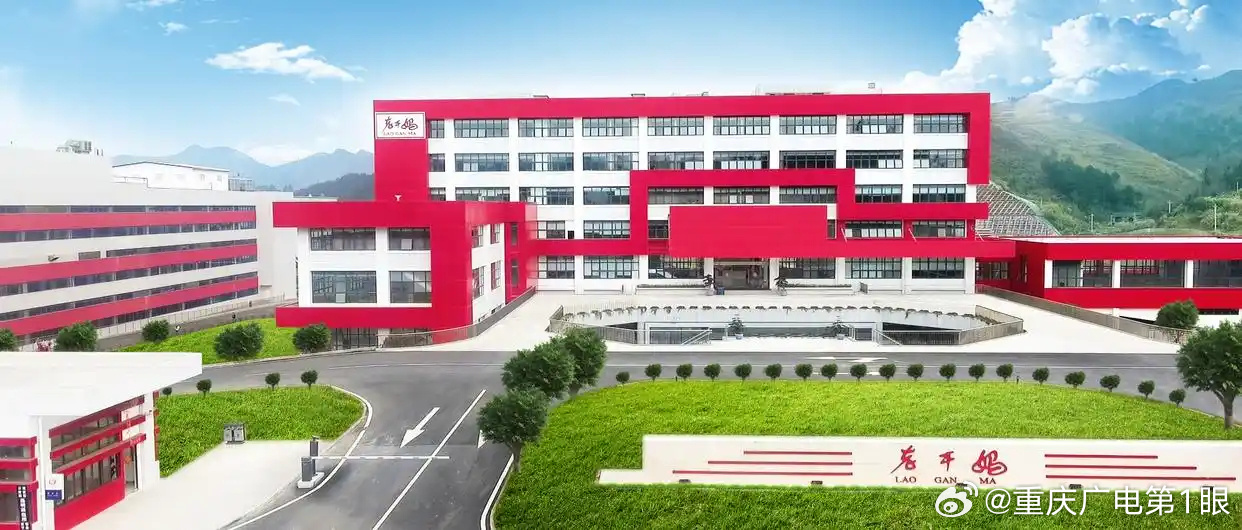
For a brand that half the country keeps in its kitchen, Lao Gan Ma has been strangely silent. Its Douyin account stopped updating more than a year ago, its WeChat public account four years ago, and its official Weibo page carries a lapsed business-registration notice — details a Chongqing television reporter ran through on Monday before arriving at the point: the company's revenue climbed back to 5.4 billion yuan in 2025, an all-time high, and its factory now runs on an AI quality-inspection system.
The hashtag that shot up Weibo's trending list — 79-year-old founder Tao Huabi "makes 5.4 billion a year with AI" — compressed all of this into a headline that was only mostly true. The 5.4 billion yuan is annual revenue, not profit, as one Weibo commentator was quick to note; a food company's takings say little about what it keeps. But the substance behind the hype was real enough to sustain the discussion.
Lao Gan Ma is the chili-crisp empire Tao Huabi built in Guiyang from a small noodle restaurant, famous in China's business lore for three refusals: no advertising, no loans, no stock-market listing. That refusal to be a modern company made the next turn more striking. When quality slipped after the founder first stepped back — complaints about changed chili and a drifting recipe roughly tracked her absence — she returned to management, switched back to the original chili suppliers, and put cameras around the production line.
The vision system described in the TV report is unglamorous and precise. At the Changming base outside Guiyang, cameras scan the conveyor belt every 0.3 seconds; a chili with a blemish is identified and blown off the line into a waste bin by a jet of air. Sorting chilies was once manual work — the report said a line that had employed more than 600 sorters now keeps a few dozen. The system also covers supply-chain scheduling, according to the company materials the station cited.
That last detail is what turned a feel-good brand story into an argument in the comments. "Efficiency went up, but ordinary people's rice bowls are now uncertain," one widely read post put it, adding that what applies to a chili line today applies to every industry next. Others pushed back the other way: a commenter who followed the company's fortunes argued the AI deserves less credit than the recipe — quality came back because the founder returned and the original chili did with her; the machines merely keep it consistent.
Both readings can be true, and together they capture why the story traveled. A 79-year-old founder with no listed company and no social media account turns out to be running one of the more thorough automation programs in Chinese food manufacturing — as the report itself put it, the brand went from looking like a relic to looking like a tech company in a single news cycle.