The Banana on the Tray: Why a China–Japan School Lunch Comparison Struck a Nerve in Both Countries
A Japanese user's side-by-side of Chinese and Japanese school lunches went viral in both countries — astonishing Japanese readers, flattering Chinese ones, and landing on school-meal budgets in each.
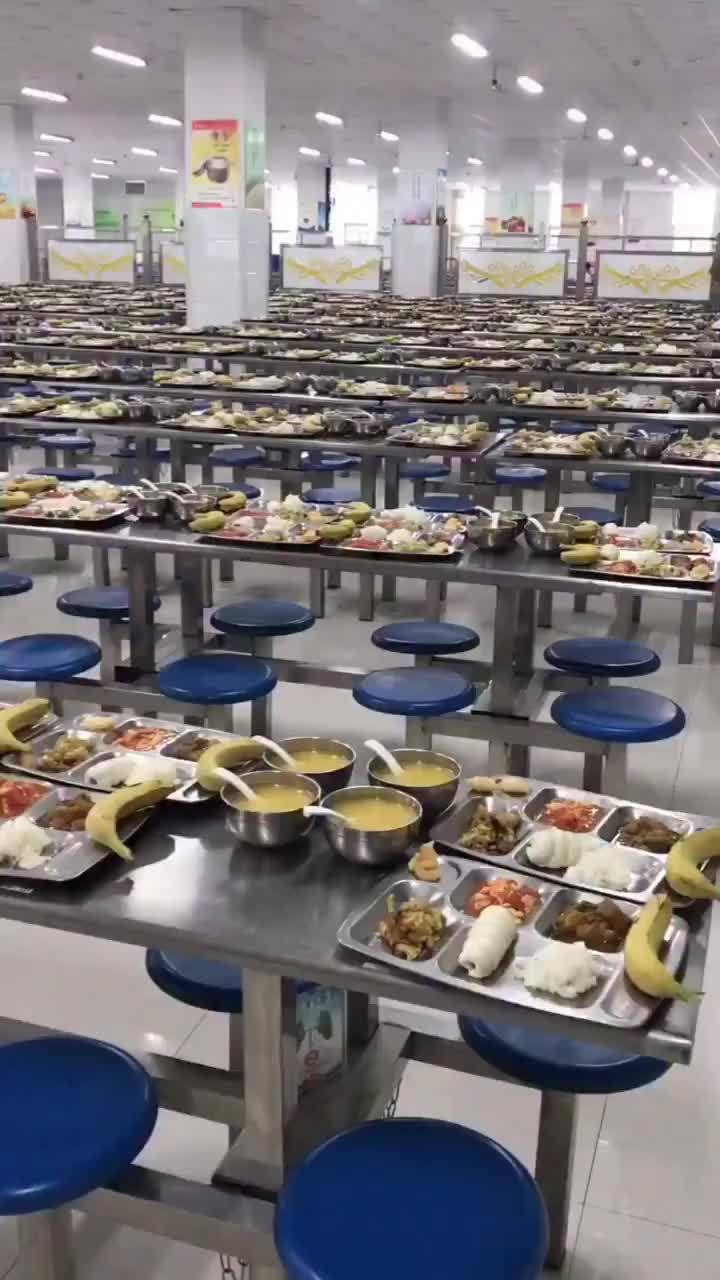
A Japanese user's post comparing school lunches in Japan and China has been viewed 1.8 million times since it started circulating, and it took very little to do the work: two photographs, side by side, one caption. The Japanese spread — rice, a small dish of sides, soup — was described by the poster, in the Chinese translation that carried it across the border, as "simply refugee food." The Chinese trays came with a whole banana.
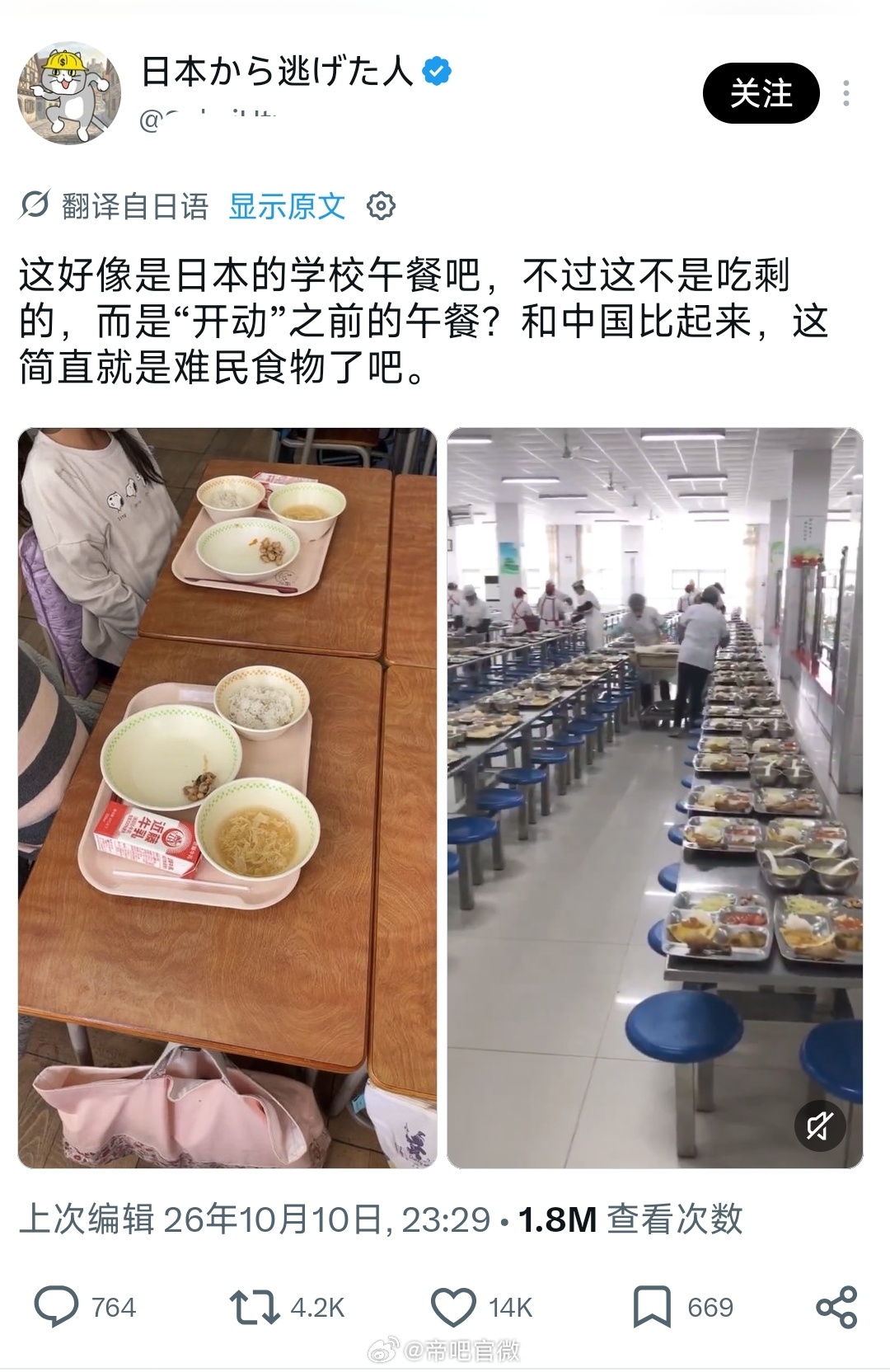
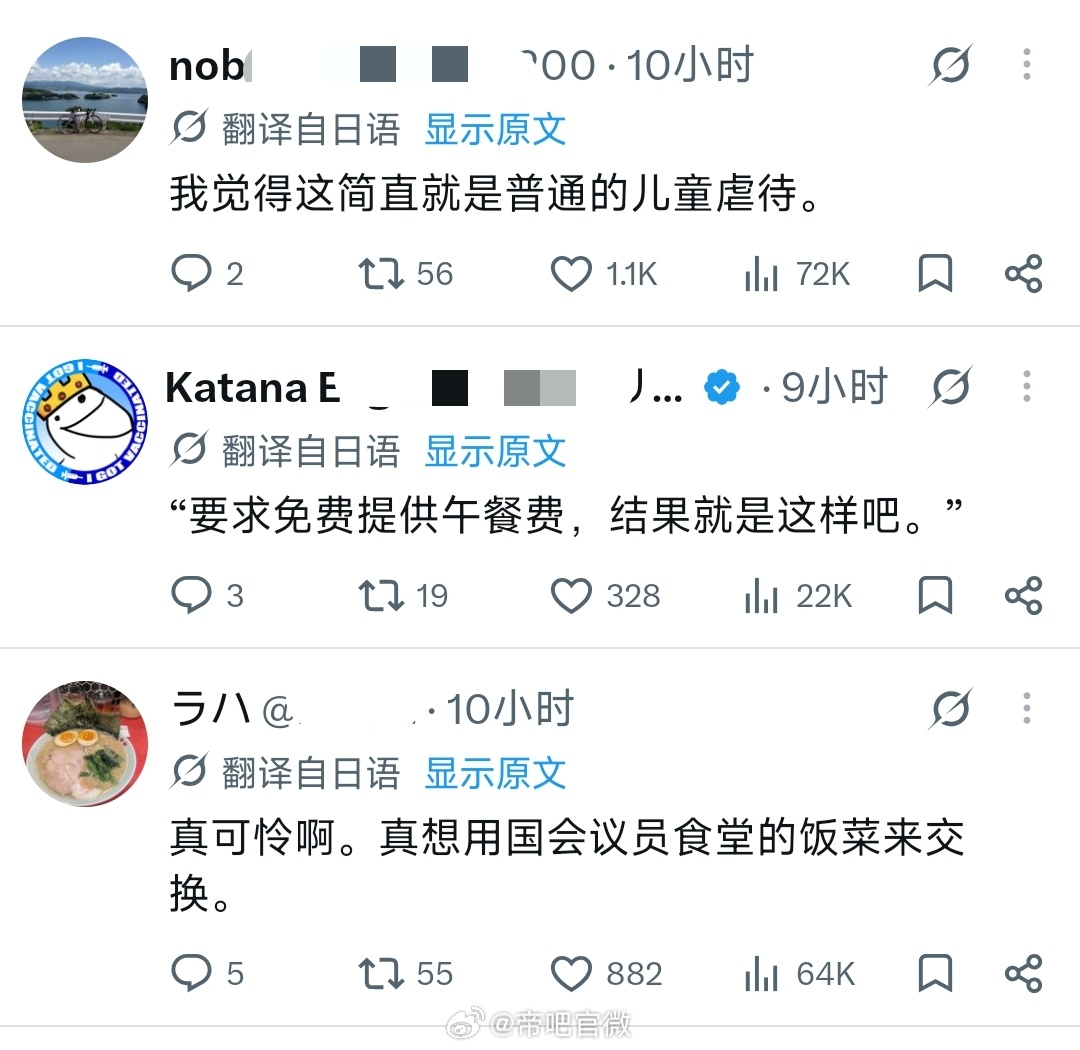
Reposted on Weibo by the account Diba Guanwei, the comparison drew exactly the reactions both sides have learned to expect. Japanese commenters professed disbelief that Chinese students eat so well. "I think this is just ordinary child abuse," one wrote of the Japanese tray. "They demanded free school lunches, and this is the result," wrote another, pointing at the money. A third sighed: "How pitiful. I really want to trade it for the food in the Diet members' cafeteria."
What struck Japanese users, in the account's framing, was the volume and the fruit: "Chinese students eat this much — and there are bananas." The tray in the circulating photo is a standard institutional setup: rows of steel tables, each seat holding a compartment tray with rice, side dishes, a steamed bun, soup — and the banana that ended up in the headline.
For Japan, the posts landed on a sore subject. Kyushoku, the school-lunch program, is a point of national pride — nutritionists, standardized menus, students serving one another — and posts about meal quality slipping in parts of the country, criticized by Japanese users themselves, were circulating in the same threads. Commenters blamed the squeeze on budgets rather than on the menus.
Chinese readers, meanwhile, accepted the compliment — and did some checking of their own. "Over there it's rice with a few side dishes, then ice water," one Weibo user wrote. "There's no nutrition in that at all, especially for teenagers who are still growing." But the country's own campus-meal record is a live anxiety: weeks ago a Nanjing kindergarten was caught cooking lunch in the wok used to wash mops, a scandal that ended with eleven officials disciplined. The trays circulating this week are the standard the system is held to; the mop-wok case is what happens when it slips.
Underneath the Japanese replies, the argument was not about menus but about money — who pays for the tray, and how much a local government owes a growing child. That is where China's own school-food debates usually land, too.