One of Weibo's Best-Known Pundits Is Quitting the Internet, Calling the Job Endless Performance
Li Ji, a commentator whose long posts on public affairs made him one of Weibo's recognizable independent voices, has announced he will delete every account within weeks — and his farewell essay doubles as a job review of China's opinion economy.
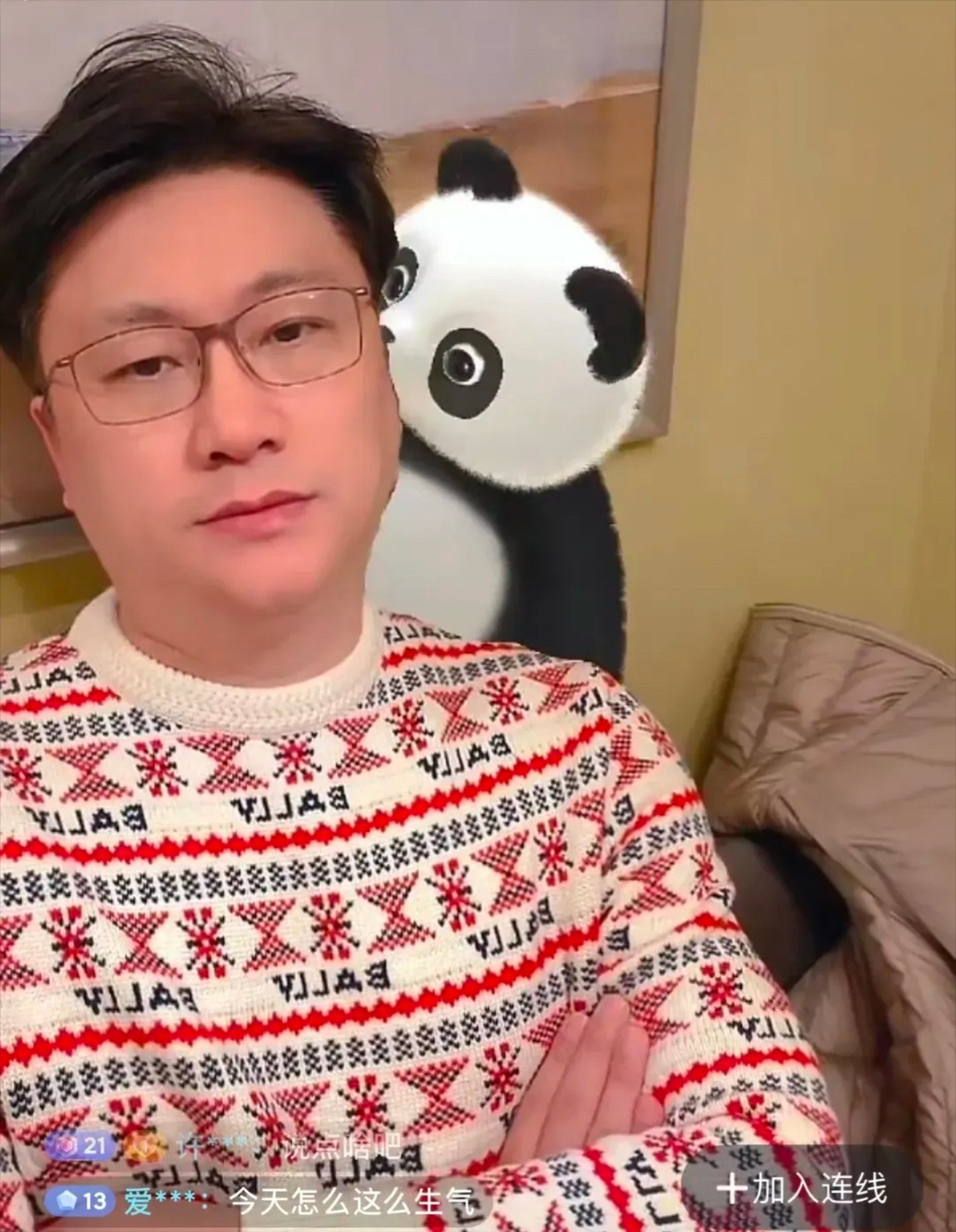
Li Ji, one of Weibo's best-known independent commentators, spent Monday doing what retiring commentators rarely do: explaining, at length, why. In the second part of his year-end "gramophone" notes, he announced that within 20 to 40 days he will quit self-media entirely — not just Weibo but every platform, deleting the apps from his phone — and will leave no trace to follow. A friend will operate a single channel that may post a notice a few times a year, or never. "When I say I'm going, I'll go clean."
The essay is structured like a ledger of what being a big account pays, and why he no longer collects. Money: at his scale, monetization is easy, he writes, but he never built a business on it and doesn't need it — his parents worked and saved for fifty years, and he lives plainly. Standing: he had real-world respect before the internet. Self-worth: he is simply finished. "If Weibo were a game, I've already beaten hell mode's final level," he wrote. "I wouldn't dare claim victory, but I gave everything. Burned out, no regrets."
The sharper part is his review of the job itself. The food on the platform keeps shrinking, he wrote, while more people fight over it, and "traps, attacks and intrigue are everywhere." To survive the constant warfare you must become your attacker: "to beat a big villain, or at least not lose, you have to learn all his dirty tricks and improve on them — otherwise you lose for sure." Which leaves the successful commentator playing a part: "being a big V, in the end, means living as an actor. To protect yourself or to profit, you have to turn your real self false, then perform sincerity in front of the netizens." He adds that he stopped contesting even the rumors that followed him, including an affair allegation he never filed a complaint over: what's past is past.
The replies were not a farewell party. "Copycat — I retire from the internet once or twice a year myself," one fellow commentator joked. "Retiring is just another way of hyping yourself." Another condensed the essay into a summary that was itself a verdict: "I'm tired of endless fights I usually lose; I'm great, I'm handsome, I did nothing wrong, time for a graceful exit. If you mean it, go — why so many words? Or is he hoping fans will beg him to stay?"
But the claim at the center of the essay is the one that gives it weight: that almost nobody at his scale ever leaves by choice. "99.9999 percent of big accounts are pushed off the stage," he wrote — hence the public countdown, which he admits is designed to raise the cost of changing his own mind. He describes talking a friend, an influential voice on Weibo and WeChat, into retiring with more than ten nudges; the friend now reports being "happy to death."
The apps come off between early and late November. By his own arrangement, the only voice left of him may be a friend posting his occasional notices — and, by his own account, it may never sound at all.