China Fines Meat Giant Shuanghui 129 Million Yuan Over Antibiotic Residue in Pork
Three regulators have fined and stripped about 129 million yuan from Shuanghui Development and its executives after a supermarket sample of the company's pork showed a veterinary antibiotic at 37.5 times the legal limit — one of the heaviest food-safety penalties China has aimed at a household name.
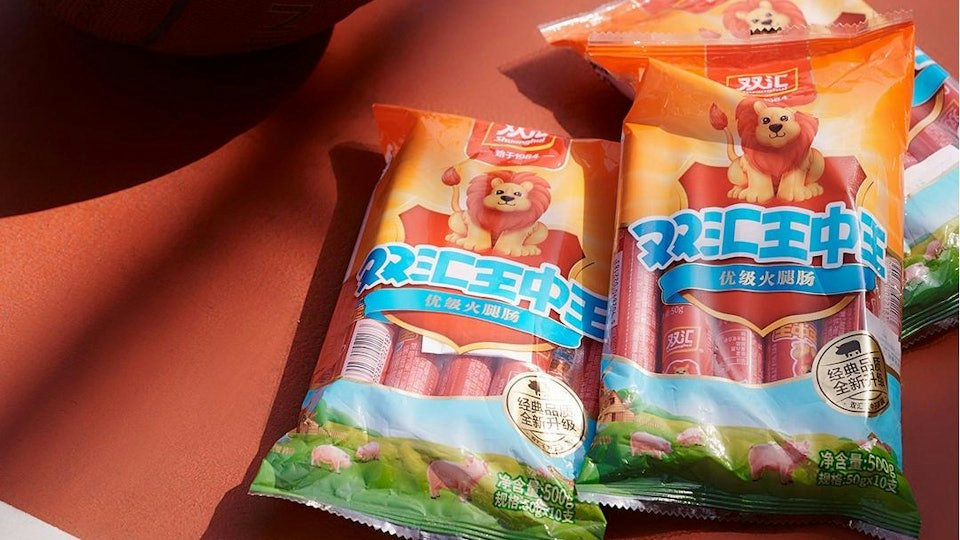
On October 9, Shuanghui Development — the company whose ham sausages sit in every convenience store in China — announced that it, its Heilongjiang subsidiary Wangkui Shuanghui Beidahuang Food, and related directors and senior managers had received administrative penalty decisions from three regulators: the agriculture bureau of Wangkui county, where the subsidiary sits, and the animal-husbandry and market-supervision bureaus of Luohe, Henan, the company's hometown. The combined fines and confiscations total about 129 million yuan, roughly 18 million US dollars. The company said it "sincerely accepted" the decisions, apologised once more, and laid out six rectification measures.
The case began, as these cases usually do, with a routine sample. On August 28, 2025, as the question put to Zhihu's legal readership recounts, the Changchun customs technical centre — testing on behalf of Heilongjiang's market regulator — took a pack of pork hind-leg meat produced by the Wangkui subsidiary from a branch of a chain supermarket in Daqing. The lab result found lincomycin, a veterinary antibiotic, at 37.5 times the national limit.
When the finding surfaced publicly this May, the response came from the top of the system. As HK01 recounted, the State Council's food-safety office formed a working group with the public security ministry, the agriculture ministry and the national market regulator — the machinery China reserves for its most serious food scares, pointed this time at the country's largest processed-meat maker.
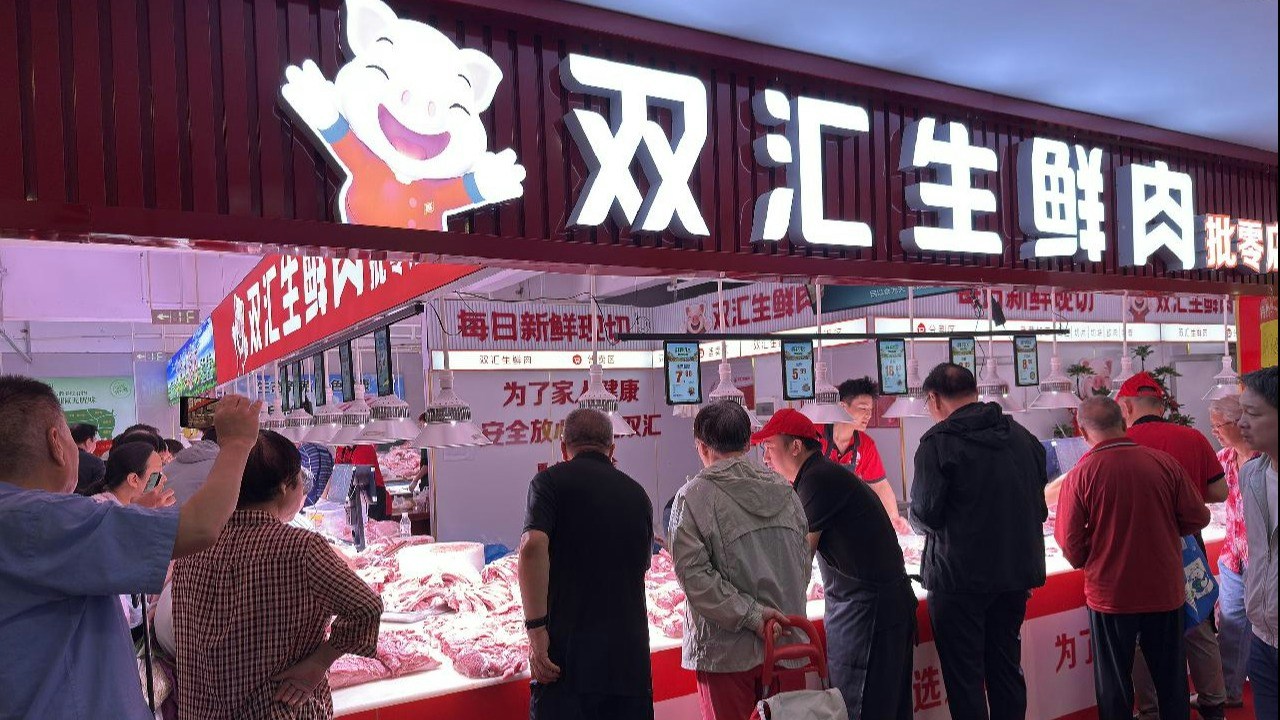
What made the penalty unusual was where the money landed. The 129-million-yuan total reaches executives personally, and posts reading the announcement on Weibo put the chairman's individual fine at 37.64 million yuan — a bill addressed to a named individual rather than only to the corporate entity, which is not how most Chinese food-safety cases of the past decade have ended. The company's own filing estimates the penalty will cut 63.8 million yuan from its 2026 net profit.
The public reaction has treated the scale as the point. On Zhihu, answers have been working through how three separate agencies came to penalise one company over one sample, and what the executive-level fines signal for the industry. On Weibo, one widely read post put the mood plainly: food safety allows no slack at all, and a big company all the more has to hold the line.
Fourteen months passed between the supermarket sample and the penalty decisions, and the case is not fully closed: the six rectification measures the company has promised are still to be implemented, with the profit impact booked against this year.