Why Chinese Hospitals Are Closing Their Night Clinics
A dental hospital in Fujian, a county TCM hospital in Guizhou and a large general hospital in Jiangxi have all suspended evening outpatient services in recent weeks, citing staff shortages and ageing equipment rather than any drop in demand. The closures have reopened an old argument about where China's stretched medical workforce should spend its hours.
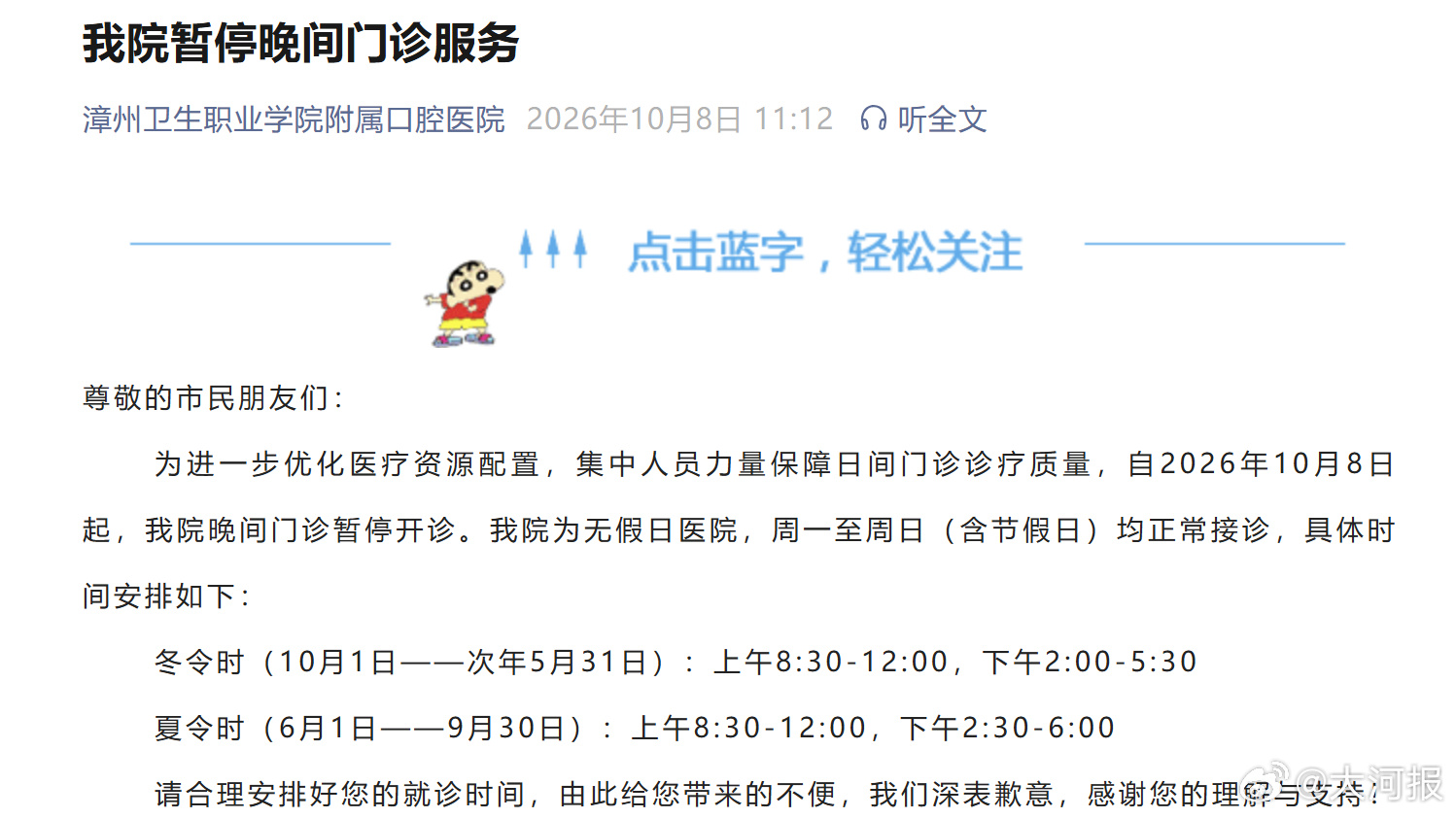
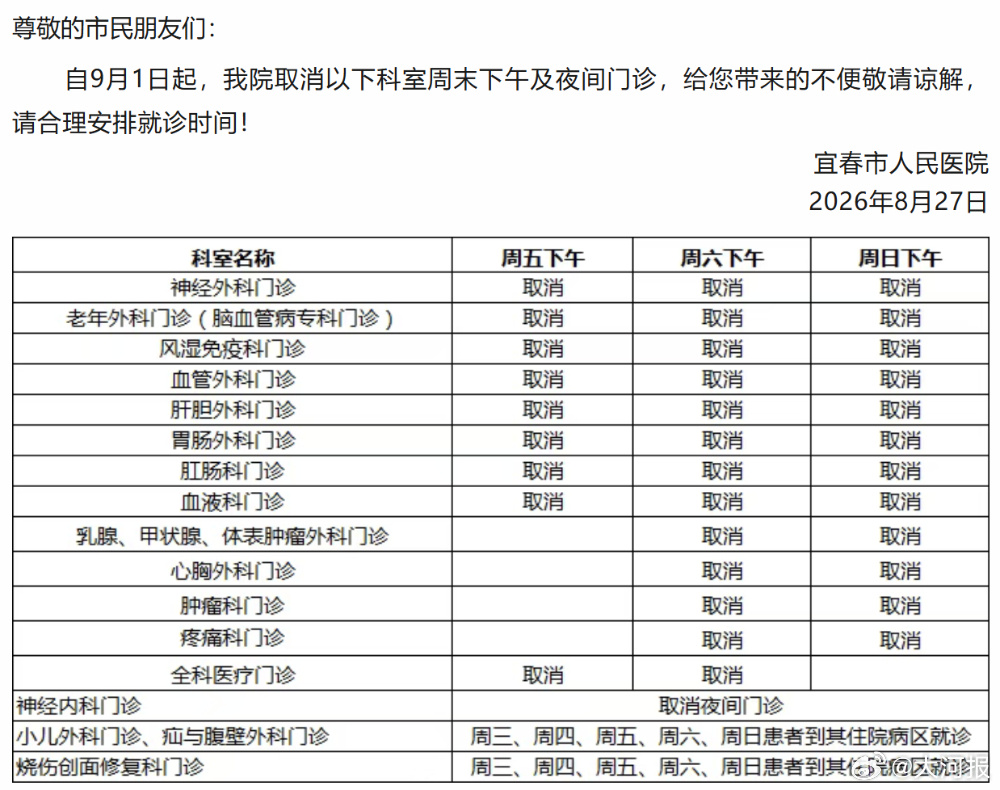
On October 8, the affiliated dental hospital of a health vocational college in Zhangzhou, Fujian province, posted a notice that would once have read as a retreat: from that day, its evening outpatient clinic would stop opening. The stated purpose was "optimising the allocation of medical resources" and concentrating staff on the quality of daytime care. The notice, carried by Dahe Daily, was quickly followed by similar ones. A county hospital of traditional Chinese medicine in Daozhen and a township health centre in Dafang, both in Guizhou, have paused night sessions, and Yichun City People's Hospital in Jiangxi cancelled weekend-afternoon and night outpatient services across more than a dozen departments from September 1 — neurosurgery, oncology and paediatric surgery among them.
Night clinics were never fringe provision. They were sold to the public with a slogan that promised the health system had noticed how China actually works: office workers would not miss work, students would not miss class, the elderly would have someone to accompany them (上班族不误工、学生族不误课、老年人有陪护), as a roundup of the closures recalled. Zhangzhou's dental hospital, a self-described "no-holiday" institution open seven days a week, had framed its evening service the same way — as an accommodation for people whose days leave no room for a hospital queue.
The notices do not claim that demand has fallen. The reasons they give are supply-side: staff shortages, ageing equipment, and the need to "optimise" — a word that, in China's county-level health system, usually means the same roster of doctors cannot stretch across an evening clinic and a full daytime load. In a tiered system where smaller-city and rural institutions already struggle to hold onto clinicians, the evening shift is staffed by the same people who work the morning one. A night clinic is overtime by another name, and overtime is the first thing a squeezed budget stops paying for.
What disappears with the evening clinic is not emergency care — every notice points acute cases to emergency departments, which stay open — but the routine appointments that only fit around a working day: a dental adjustment, a blood-pressure review, a follow-up. For the people the slogan was written for, the options thin out to the emergency room, unpaid leave, or the private market. It is in gaps like these that China's small private clinics, which stay open late and promise an overnight cure, built their business — and their growth says something about what patients do when formal hours and working hours refuse to overlap.
The closures are individual decisions, not a national directive. But coming in the same fortnight, from three provinces, in the same vocabulary of optimisation, they read as a signal about where the country's medical workforce is running out of hours — and who is expected to absorb the difference.