Why China's Small Clinics Cure Fevers Overnight: Hormones, Antibiotics and a Drip
A viral joke about small clinics curing patients overnight — "the little workshop doesn't hold back on the ingredients" — has opened a serious conversation about the hormones, antibiotics and IV drips behind the speed, and the risks that come with it.
The joke that has been climbing Weibo since Tuesday is a recipe disguised as an observation: "No wonder the small clinic cures you fast — the little workshop really doesn't hold back on the ingredients" (果然小作坊下料就是猛). The post that set it off carried nine screenshots of comments beneath it and more than 6,500 likes, and its humor lands because half the country has lived it: the village clinic that fixes in one afternoon what the county hospital would schedule a week of tests around.
The recipe even has a name in Chinese primary care: "three elements and a soup" (三素一汤) — hormones, antibiotics and vitamins, delivered in an intravenous drip. Dexamethasone and analgin, drugs that big hospitals gate behind strict approvals, are "household staples at the small clinics," as one widely shared explainer put it — the writer is a car blogger by trade, which is its own commentary on where health explanations now come from.
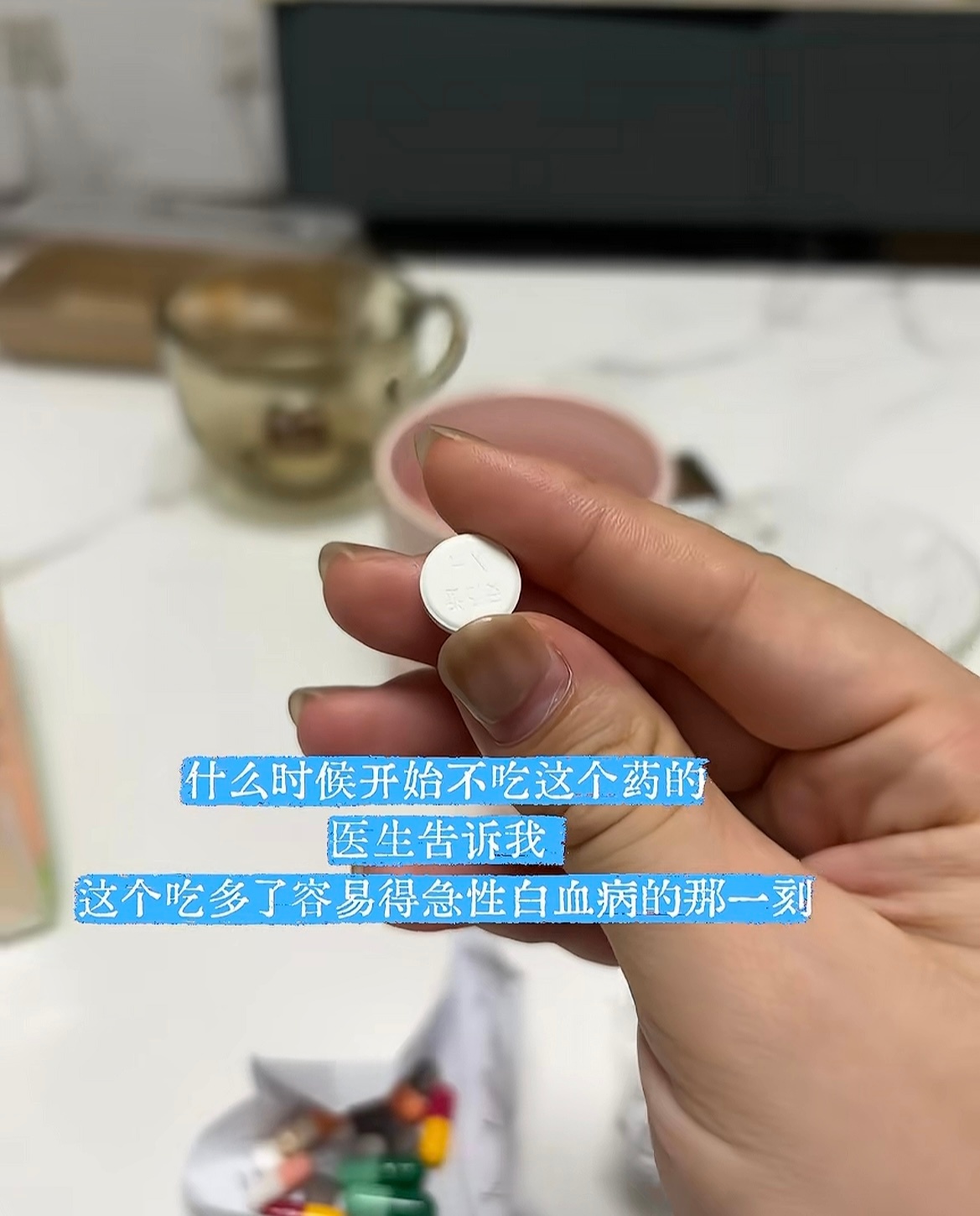
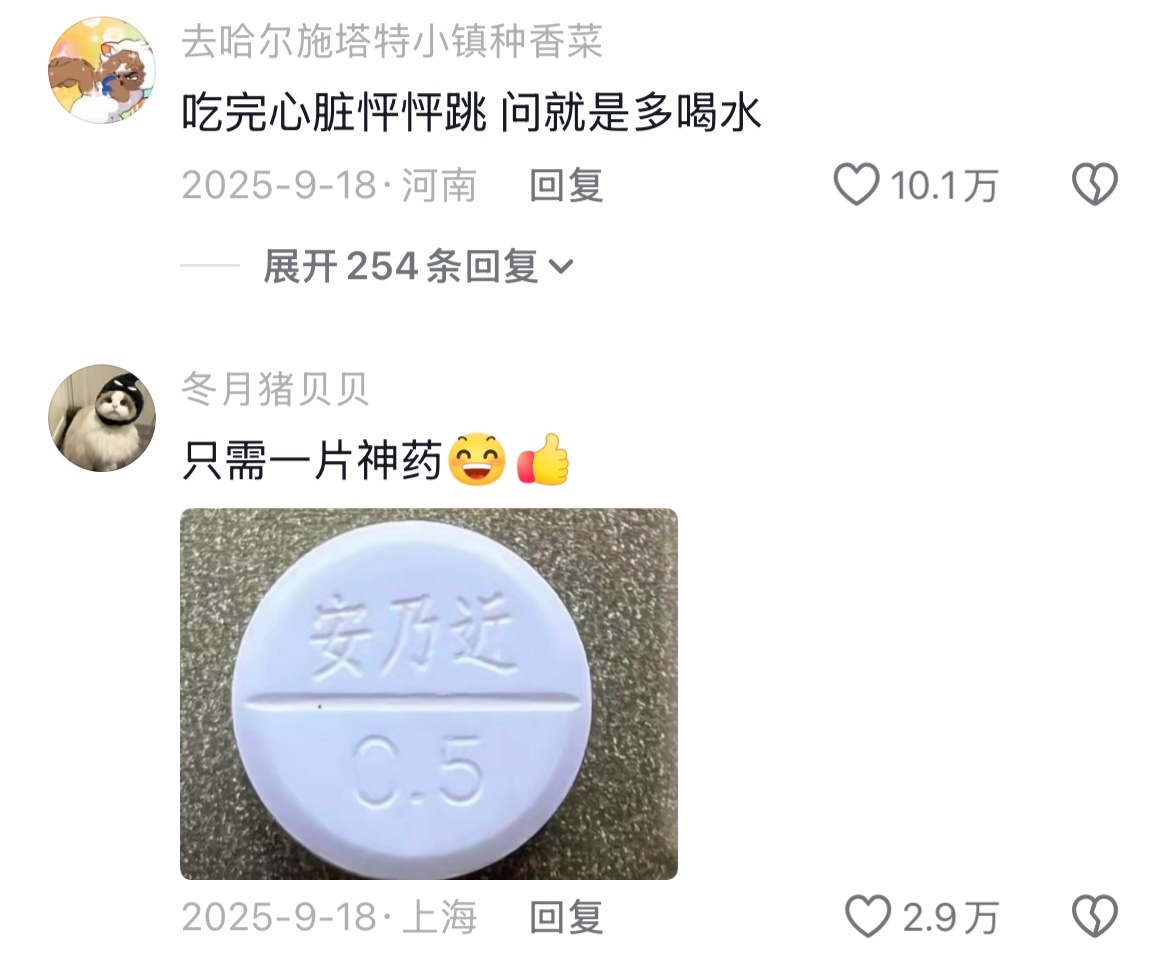
The comments inside the collage read like a national memory of being cured fast. "When I was little, a fever just meant one Analgin tablet," says one, above a photograph of the pill itself, embossed 0.5. "After taking it my heart pounds," says another — "asked about it, just drink more water." The collage's most sobering frame shows a single pill held between two fingers, overlaid with a line many patients will recognize: "When did I stop taking this medicine? The moment the doctor told me that taking too much of it could easily cause acute leukemia."
The explainer's argument is where the joke turns serious. The speed, it says, is an illusion: symptoms are suppressed while "the root of the disease stays put," and a heavy early dose can mask pneumonia or appendicitis before they declare themselves. Each casually prescribed course of antibiotics also spends down the drug's future usefulness — "when you truly need it, it may not work." The post ends where the argument ends: "Seeing a doctor is not a contest, and it is not whoever is faster who is better."
That is an unfashionable case in a health system where the big hospital means a queue, a scan and a bill, and the corner clinic means five minutes and a drip. The IV drip has held its place in Chinese medicine-going for decades because it is visible, cheap-feeling and immediate — and because it works, on the symptoms, the very day you pay for it. The cost, as the commenter's warning about antibiotic resistance makes plain, arrives later.