A Chinese Cancer Drug That Beat the World's Best-Selling Medicine Faces an FDA Decision Tomorrow
The FDA will decide by November 14 whether to approve ivonescimab, the Akeso-developed lung-cancer drug that in head-to-head trials outperformed pembrolizumab, the world's best-selling medicine.
On November 14, the US Food and Drug Administration will decide whether to approve ivonescimab, a lung-cancer drug discovered by the Chinese biotech Akeso. The drug is the first anywhere to beat the world's best-selling medicine in a head-to-head trial, and the decision is the first time a Chinese-discovered drug has come this far into an American review.
The drug is a "bispecific antibody": a single molecule engineered to do two things at once. One end blocks PD-1, the immune switch that tumours use to hide from the body's own defences; the other suppresses VEGF, the signal that lets tumours grow the blood vessels that feed them. A widely shared explainer by an equity commentator, written after the drug's latest trial results, put the design in plain terms: the two mechanisms are usually done by two separate drugs, which can interfere with each other. In ivonescimab they are combined, and the trials suggest the two mechanisms reinforce each other — the more VEGF a tumour produces, the more the drug's immune arm works.
That design has produced results that have overturned a decade of oncology consensus. In the HARMONi-2 trial, ivonescimab alone beat pembrolizumab — Merck's Keytruda, the anchor of the world's best-selling drug franchise — the first time any drug had done so in a large phase-3 study. In the more recent HARMONi-6 trial, ivonescimab plus chemotherapy held tumours in check for 11.1 months against 6.9 months for the standard regimen, and cut the risk of death by roughly 40 percent in squamous non-small-cell lung cancer, a subtype so prone to bleeding that anti-angiogenic drugs are normally withheld from it.
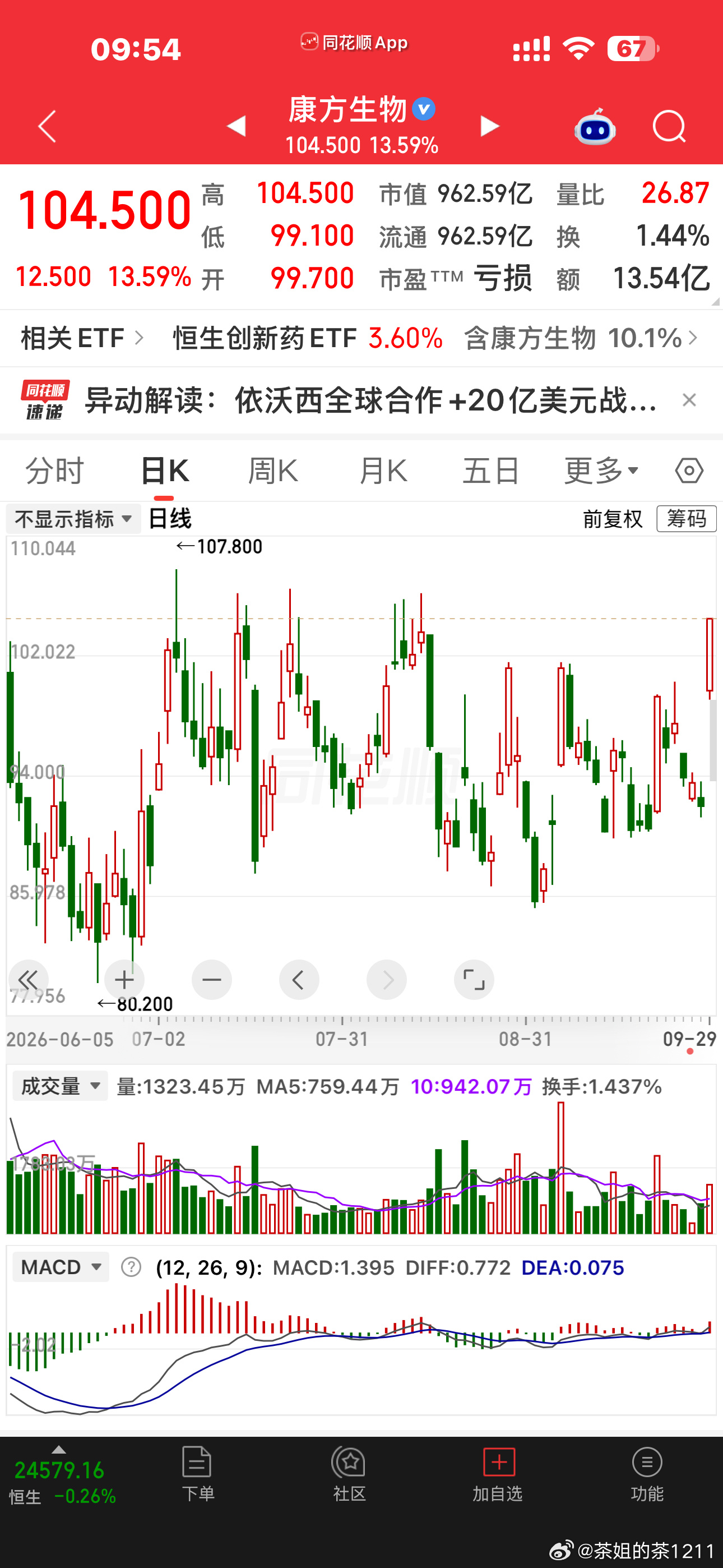
The application now before the FDA was filed by Akeso's American partner, Summit Therapeutics, for patients with EGFR-mutated non-squamous lung cancer whose disease has progressed after the standard targeted therapy — a population with no good options. That is the HARMONi study, and the global version of it has been the harder sell: the improvement in overall survival fell just short of statistical significance, and industry commentary has been unusually blunt about the gap — the benefit appeared larger in Chinese patients than in European and North American ones, a difference that has already made some investors nervous. Akeso's stock has fallen on the uncertainty, and one post noted that the company's shares had dropped 4.5 percent on the news.
The ambivalence is the story's frame. AstraZeneca has already bet on the drug's future — the same week the company's American partner announced that AstraZeneca would invest two billion dollars in Summit to develop ivonescimab in combination with its own pipeline. Keytruda alone sells more than 30 billion dollars' worth a year, and the market's bet is that the FDA will not hold the door open for a drug that beat it.