The Chinese Are the True Gods of the Indirect Negative Review — and the Screenshots Prove It
A viral post declaring that 'the Chinese are the true gods of the indirect negative review' has collected screenshots of five-star write-ups that gut a restaurant through pure politeness — and the internet is treating it as a national character study.
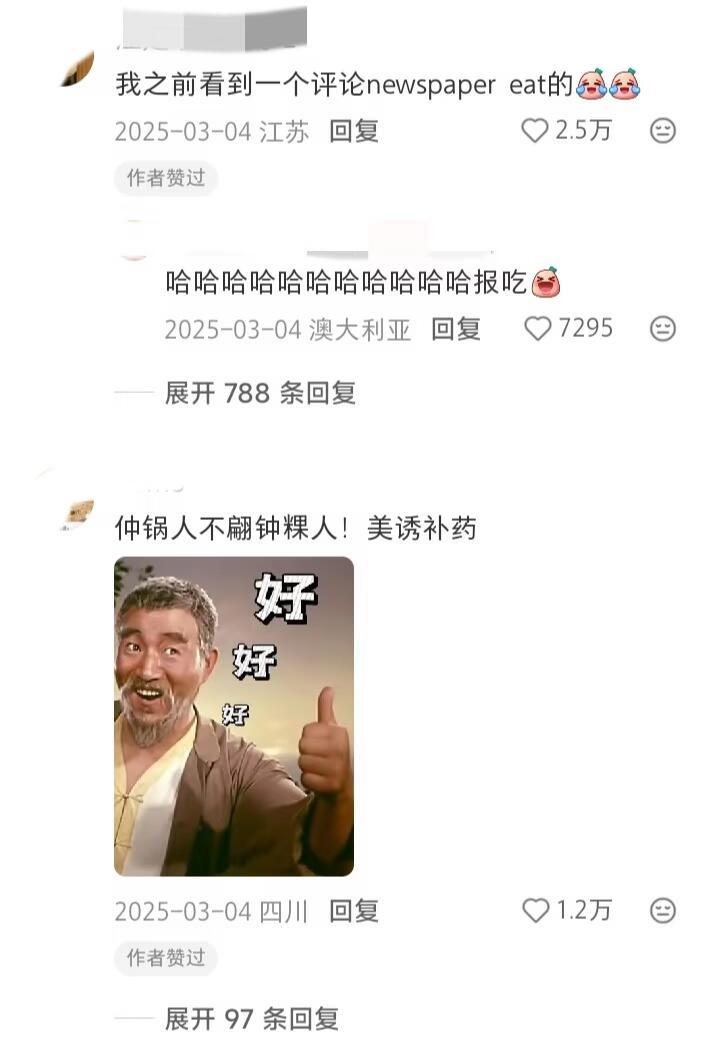
The post that set off this week's language seminar was six words long: "The Chinese are the true gods of the indirect negative review" (中国人才是隐晦差评的神). Underneath sat seven screenshots, and the pile of likes — more than 5,000 within a day — suggested the thesis needed no footnotes.
Five stars, and a knife between the lines
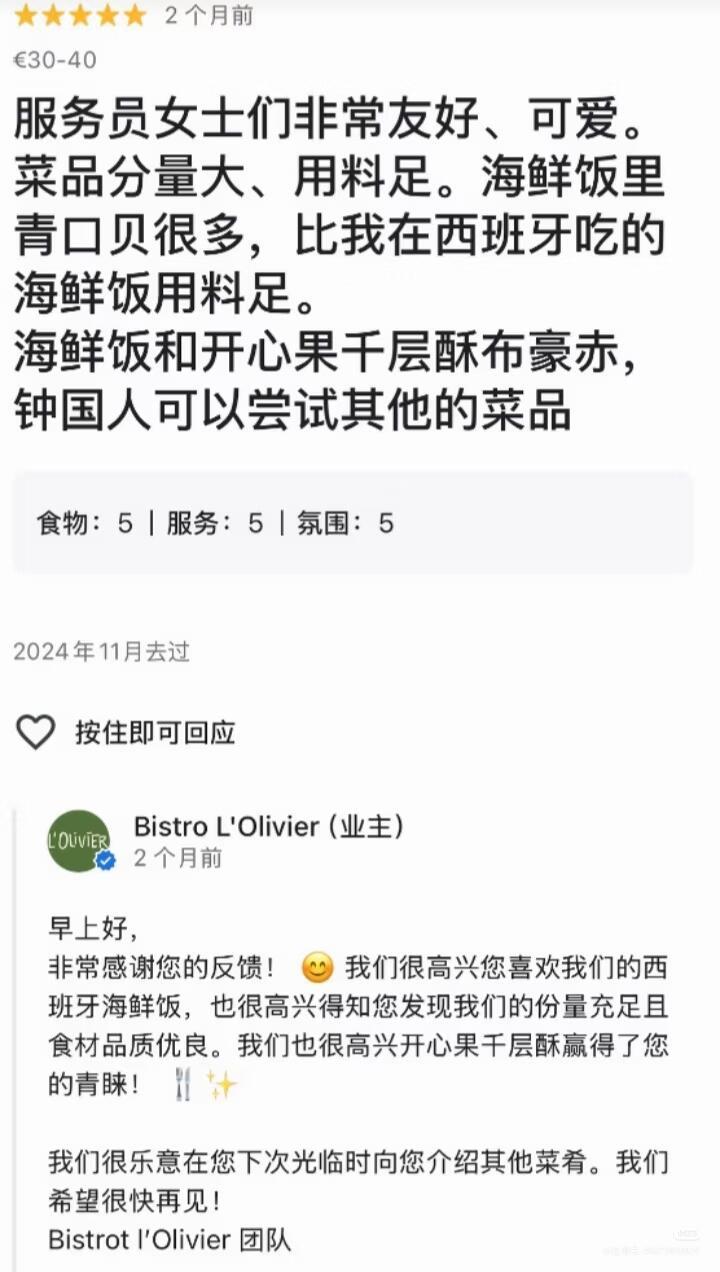
The screenshots are a masterclass in saying everything by saying almost nothing. One, from a restaurant-review page, awards a flawless five stars and praises the staff to the sky — the waitresses are "very friendly" — while conspicuously reviewing nothing else; the food, the reader infers, has just been abandoned in the middle of the sentence. Another shows a diner's steak-house write-up topped with a meme caption that has become the genre's sign-off: "searching for restaurants late at night and woke up laughing" (大半夜的搜餐厅笑醒了).
In the replies and quote-posts, readers traded their own specimens, and a reviewer's five-star verdict with its owner's gracious reply earned a special place: the more perfectly the exchange maintains its manners, the clearer it is that something unspeakable happened at table four.
Why the politeness cuts deeper
Chinese readers recognized the genre instantly, and several replies reached for the same ancestor: what the language calls 春秋笔法 — the chronicler's art, named for the Spring and Autumn Annals, of delivering judgment through word choice rather than statement. On platforms where a one-star review invites an argument — and, diners half-joke, the merchant's phone call — the surest way to warn the next customer is to be devastatingly complimentary about the one thing that wasn't wrong.
The meme also arrives with a genealogy attached. "Martian script, acrostic poems, every kind of roundabout code," one book-loving commenter observed under the hashtag. "The ancestors knew how to encode, and the descendants know how to decode — it's like a family reunion" (@爱慕读书). Between classical allusion, homophone substitutions and delivery-app dialect, indirection is arguably the Chinese internet's native genre; the review screenshots just happen to be its most commercially consequential dialect.
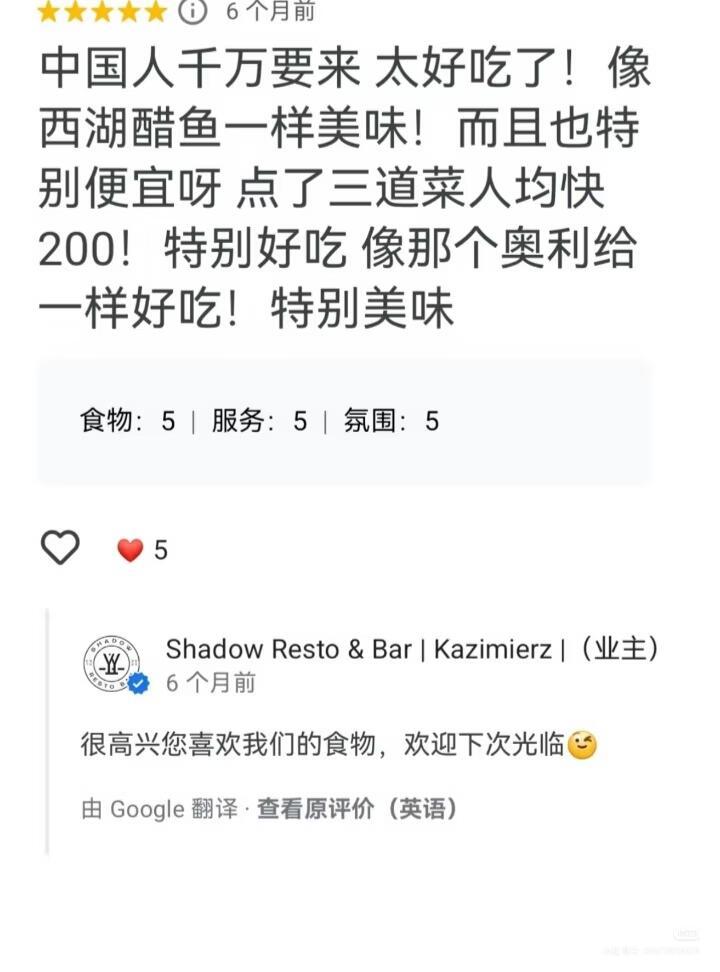
Merchants, for their part, are learning to read for it: an owner reply that thanks the customer for the "five stars" without noticing the knife is now its own screenshot, feeding the genre the next morning. The tag is still collecting entries, from hotel listings to bubble-tea chains — the archive of unsaid things grows by the day.