AITO's New M8 Puts 1.5 Billion Yuan Behind Owners' Suggestions — and Bets on Level-3 Self-Driving
Seres' Huawei-backed AITO brand has relaunched its family flagship M8 from 379,800 yuan, pitching 1.5 billion yuan in development spent largely on owners' suggestions — and hardware built toward level-3 self-driving before the rules for it exist.
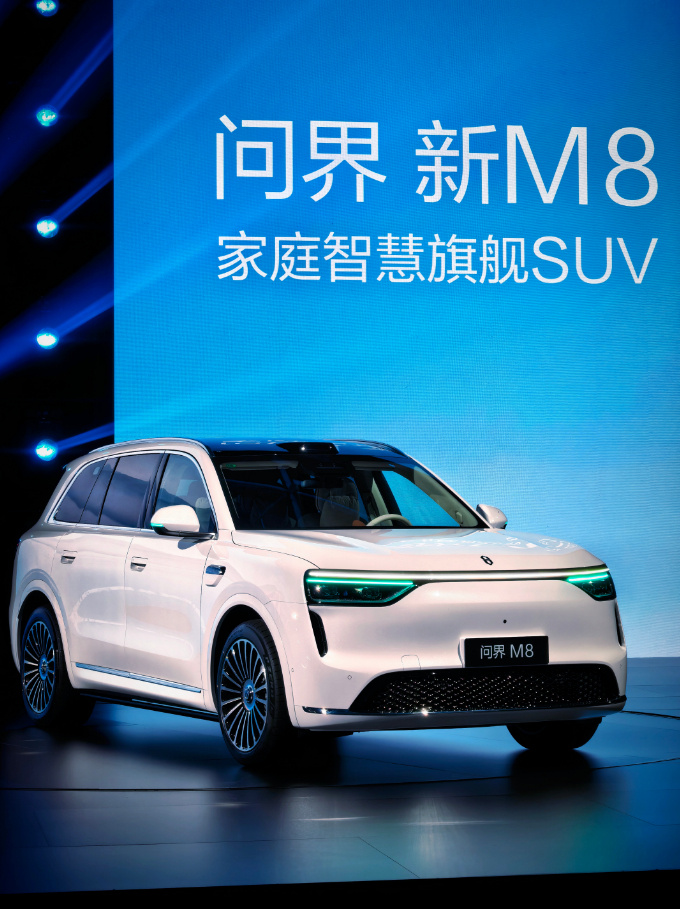
The new AITO M8 arrived in Shenzhen on Thursday with a price that dares the German premium brands: 379,800 yuan to start, roughly $53,000 for a six-seat family SUV with a cocktail of lidar, artificial-intelligence driving assistance and an operating-system cockpit. The launch event's other number did more work on Chinese social media: 1.5 billion yuan, which the company says it spent turning owner complaints into this car.
What 1.5 billion yuan bought
AITO is the car line that Seres builds with Huawei's technology inside — the HarmonyOS cockpit, the driver-assistance stack, the battery platform branding all carry the Huawei imprint, which is the core of the brand's pitch. The new M8, posts recounting the launch say, was developed "to full new-car standards" around what the company calls eight top-tier architectures: a four-lidar omnidirectional sensing system, an architecture designed with future level-3 autonomous driving in mind, a new-generation HarmonyOS smart cabin, and the third iteration of the "Kunlun" battery platform, plus new paint and interior options.
The level-3 framing deserves its asterisk: the car is being sold as ready for L3, the tier where the driver may legally stop watching the road — but China's rules for it are still rolling out in pilots. AITO is building hardware for a regulatory door that has only begun to open.
The owner-suggestion factory
The more culturally telling number came from Seres chairman Zhang Xinghai, who said the 1.5 billion yuan "fulfilled users' suggestions": over a year and a half, about 190,000 M8 owners filed more than 1,000 pieces of feedback, and the relaunch is built around them — the six-seat layout rethought around the driver, front passenger and second-row right seats, the seats where Chinese families actually put people.
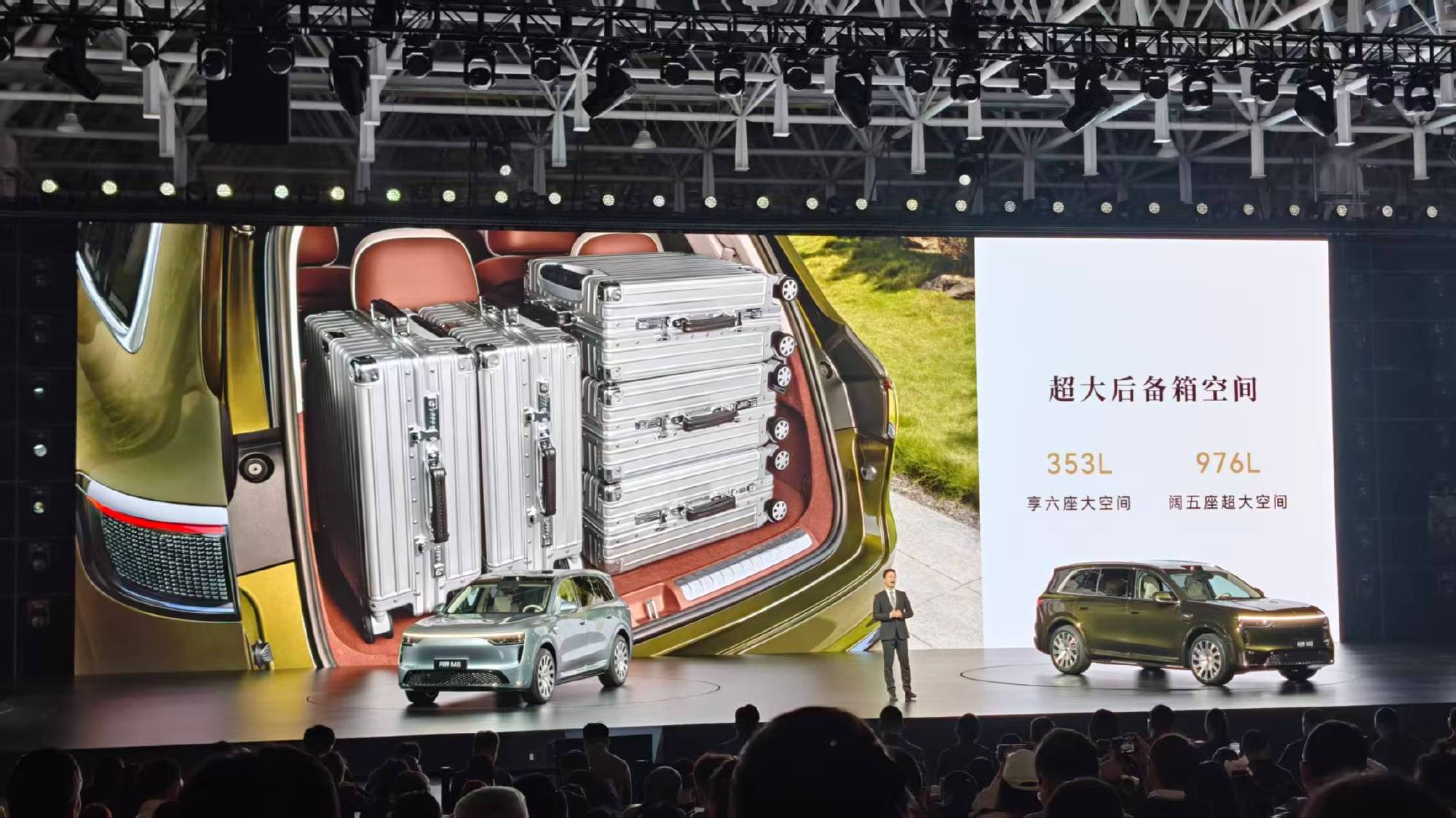
That loop — mass owners, structured feedback, fast engineering response — is becoming a distinctive habit of China's new-energy-vehicle market, where an eighteen-month model refresh is normal and a suggestion box is a competitive weapon. It is also a marketing strategy: a buyer who sees their own complaint in the spec sheet has a reason to stay inside the brand's next purchase.
Whether the refreshed M8 holds the family-SUV crown in a market this fast-moving — and how quickly L3 legality catches up with L3 hardware — is what to watch.