Lanzhou Lamian Is Becoming Qinghai Lamian, One Signboard at a Time
Noodle shops across China are swapping the characters on their signs from Lanzhou to Qinghai, as the province whose migrants built the country's lamian empire moves to claim the brand — 31,000 shops in more than 300 cities, and a question about who owns a noodle's name.
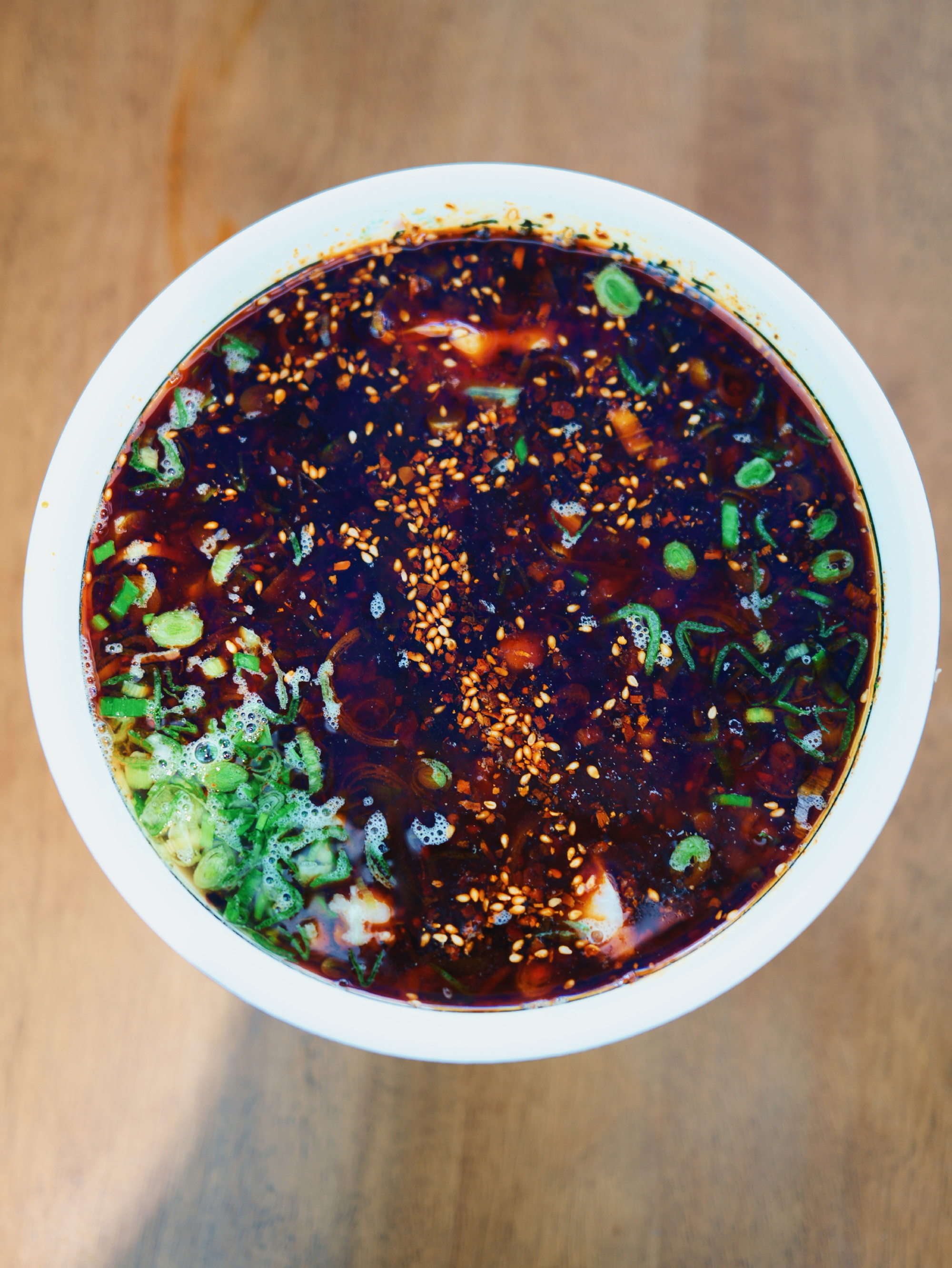
To most diners, "Lanzhou lamian" is one of China's most recognizable dishes: hand-pulled noodles in clear beef broth, red chili oil on top. But outside Gansu province, the corner shops selling it are overwhelmingly run by families from neighboring Qinghai, who borrowed the Lanzhou name for decades because it sold better. Now the borrowing is ending: in city after city, the signboard characters are being changed from 兰州拉面 to 青海拉面 — Qinghai lamian.
The campaign is official-guided. By the end of February, Qinghai-run shops numbered 31,000 across more than 300 Chinese cities, and nearly a thousand had already been rebranded as part of a province-led upgrade, according to figures cited in the coverage that pushed the topic onto Baidu's search board at No. 37 on Wednesday. Official commentary framed the change not as a renaming but as taking the industry's development initiative into Qinghai's own hands — turning a diaspora trade into a home-province brand.
The confusion is a forty-year story. Lanzhou's own shops call the dish 牛肉面 — beef noodles — held to the "one clear, two white, three red, four green" formula: clear broth, white radish, red chili oil, green coriander and garlic sprouts. "Lanzhou lamian" as a national shop-front phenomenon was largely built by migrants from Hualong and other Qinghai counties, who left the high plateau in the 1980s and found that the Lanzhou name opened doors in cities that had never heard of their hometowns. A state-media explainer from a few years ago introduced the dish to readers with exactly that puzzle — "Is there lamian in Qinghai? Isn't it Lanzhou?" — before counting the Qinghai-run shops and calling the noodle "a gift from the pure snowy highlands."
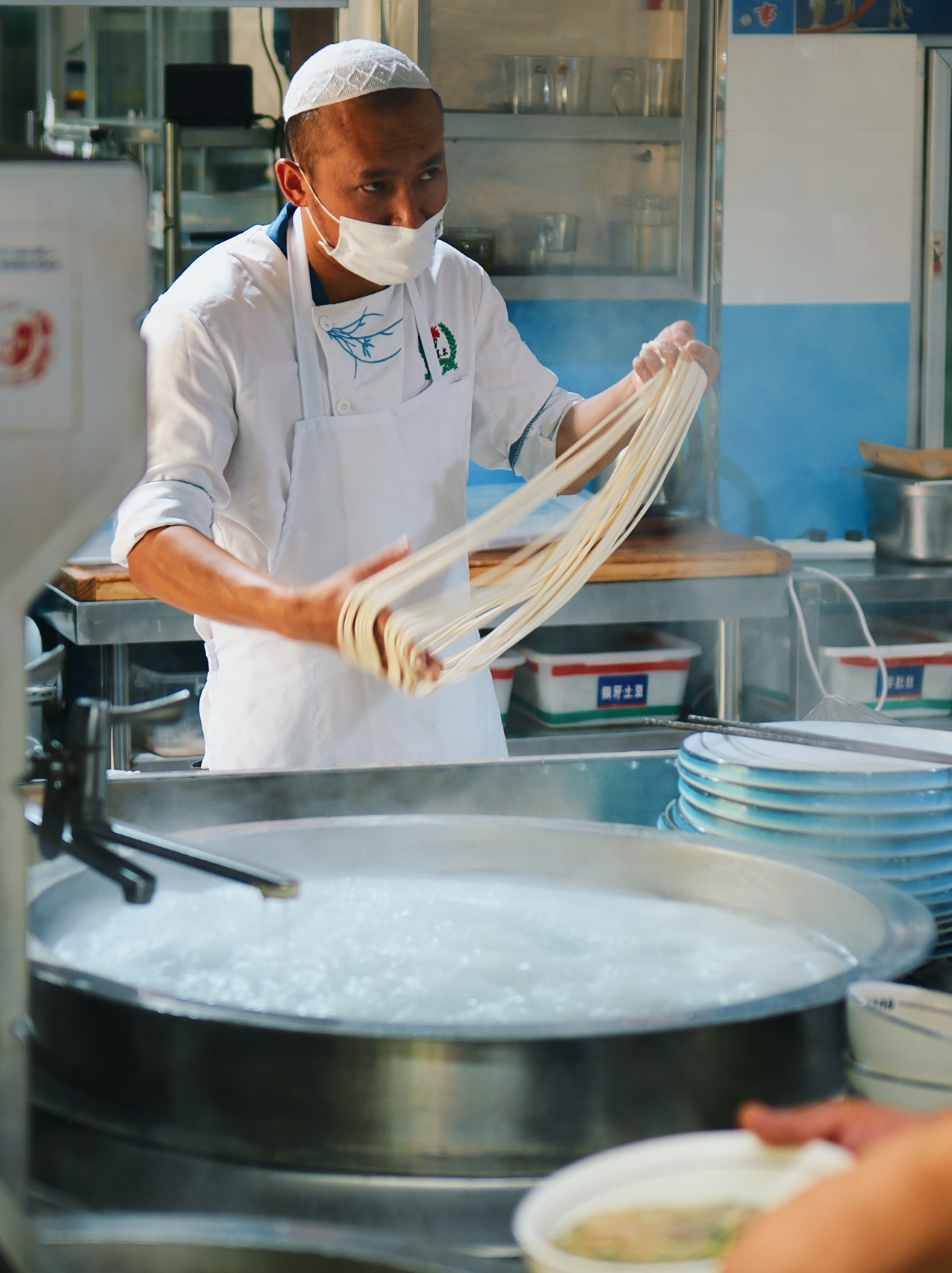
That history is what makes the rename more than signage. One Qinghai-focused account posted the case plainly: "Come take a bite of 'Qinghai lamian' — the noodle many friends out of province eat, thinking they are eating 'Lanzhou' beef noodles," under photographs of steaming kitchens and a pickup-window sign instructing customers to ask for more or fewer noodles in advance. The post's comments filled with readers realizing which province had been feeding them.
A rename is cheap on a sign and hard in a mind. The brand equity sits in the older name, and diners searching for dinner do not follow policy documents. The province is betting that a thousand rebranded storefronts, then ten thousand, can make "Qinghai" mean noodles the way "Lanzhou" always has; whether the queue outside notices the difference is the test the campaign now faces.