Chinese Court Sentences Three Leaders of Myanmar Scam-Park Empire to Death
Fujian courts on October 13 condemned three heads of the Wei family crime group to death for running fraud compounds in northern Myanmar that caused multiple Chinese deaths — the first-instance climax of a crackdown Chinese readers have followed for two years, and the backdrop to a viral rumor about student 'black-market prices'.
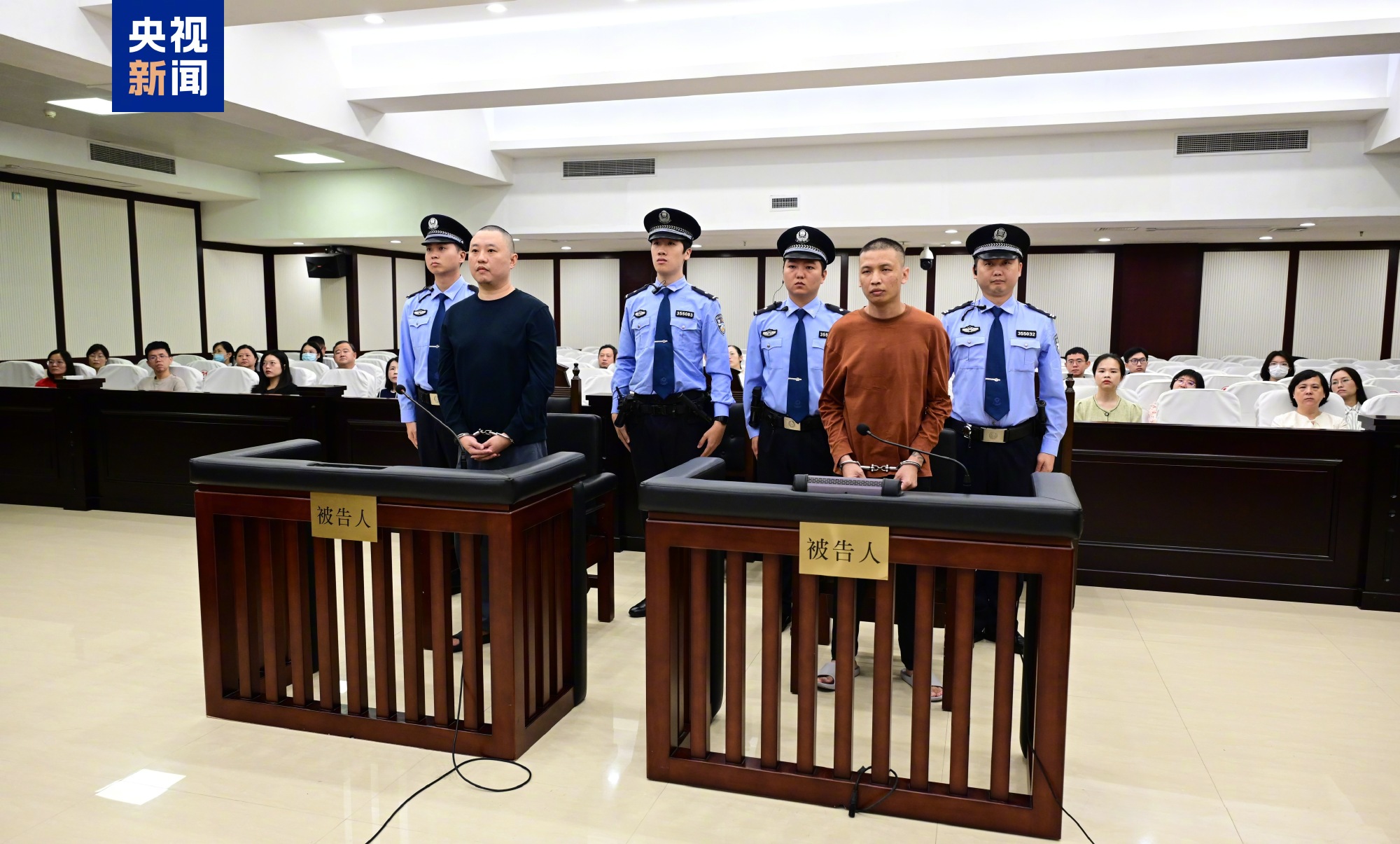
A pair of courts in Fujian province handed down the fullest judicial accounting yet for China's Myanmar scam-park era on Tuesday: Wei Huiren, Chen Dawei and Liao Jingfang, leaders of the crime group known as the Wei family, were sentenced to death at first instance. Three other defendants received life sentences and 55 more were given terms of three years and three months to 24 years, with fines, confiscation of property and deportation layered on top.
The verdicts came from the Quanzhou Intermediate People's Court and the Nan'an court. Operating since 2019, the group ran fraud compounds in the Kokang region of northern Myanmar where telecom-fraud operations were run at industrial scale; the charges included intentional homicide alongside seven other counts, with more than 12.2 billion yuan of gambling-and-fraud money passing through. The courts found the operations had caused the deaths of multiple Chinese citizens.
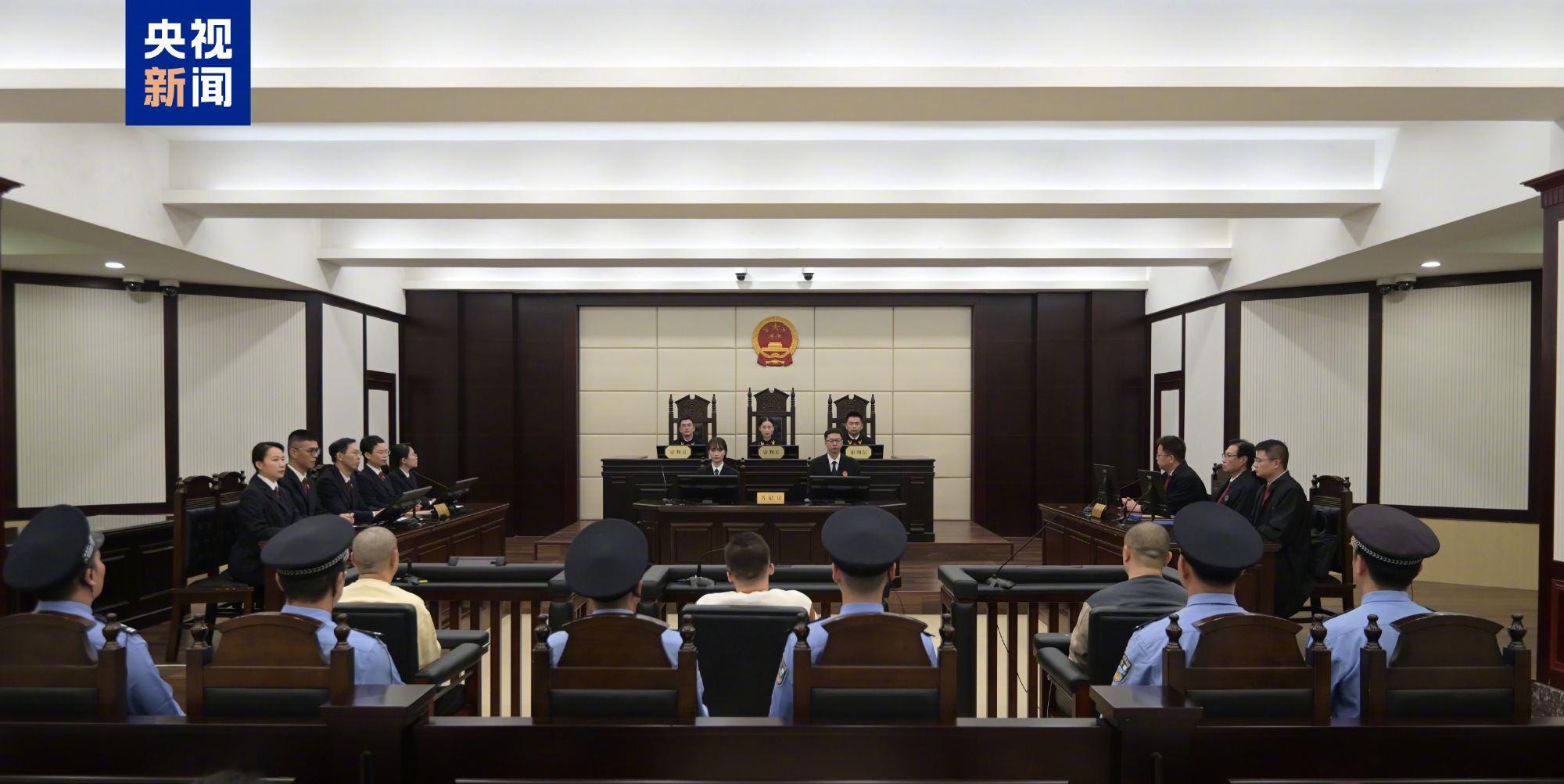
Courtroom photographs of the hearing show defendants standing in wooden docks, flanked by uniformed officers, as the sentences are read. The Wei family was one of the border's "four great families" — the clans whose names became shorthand for northern Myanmar's economy of fenced compounds and trafficked workers. Chinese readers have followed their fall through the site's earlier coverage: the abduction-style lure of the actor Wang Xing in 2025 that turned scam parks into a national security anxiety, the televised apologies of captured bosses in a state documentary, the warnings circulated among fans of Thai dramas that recruiters were hunting in fandom spaces. Tuesday's verdict is the moment that crackdown reached a courtroom result.
The story ranked across the Chinese web: it led Baidu's trending board, drew a long Zhihu question on what to make of the sentences, and was carried by CCTV, HK01 and financial outlets within hours. On Weibo, the Beijing Youth Daily's post on the death sentences circulated alongside a stranger viral item — a screenshot claiming that Chinese university students now carry asking prices of 200,000 to 700,000 yuan on a Southeast Asian black market, lured there by fake romances and job offers. The screenshot is unverified and no authority has endorsed it, but it was reposted more than 7,000 times in a day. "Better to believe it than not — better to be careful," one user wrote, capturing a mood in which the precise numbers matter less than the settled belief that such markets exist.
That belief is not fantasy: the documented record of lured workers, detained "employees" and ransom negotiations is what made a price-list screenshot instantly plausible to millions. What Tuesday's verdict adds is the state's answer — that the response is being conducted in courtrooms, with the heaviest sentences Chinese law allows reserved for the principals.
Three figures named in the judgment — including Wei Qingsong, named alongside Wei Huiren as a principal — are being tried separately, so the family's reckoning is not finished. For the families of people still unaccounted for in the border compounds, a first-instance verdict is an accounting, not a closure. The death sentences will be reviewed by the Supreme People's Court before they can be carried out.