Why Zheng Qinwen's Champion's Check Is Nine Times Wang Manyu's
Two Chinese champions crowned in the same October week — Zheng Qinwen at the China Open, Wang Manyu at the WTT China Smash — took home prize cheques of $1.15 million and $135,000, and the nine-fold gap has become China's sharpest running argument about what athletic stardom is worth.
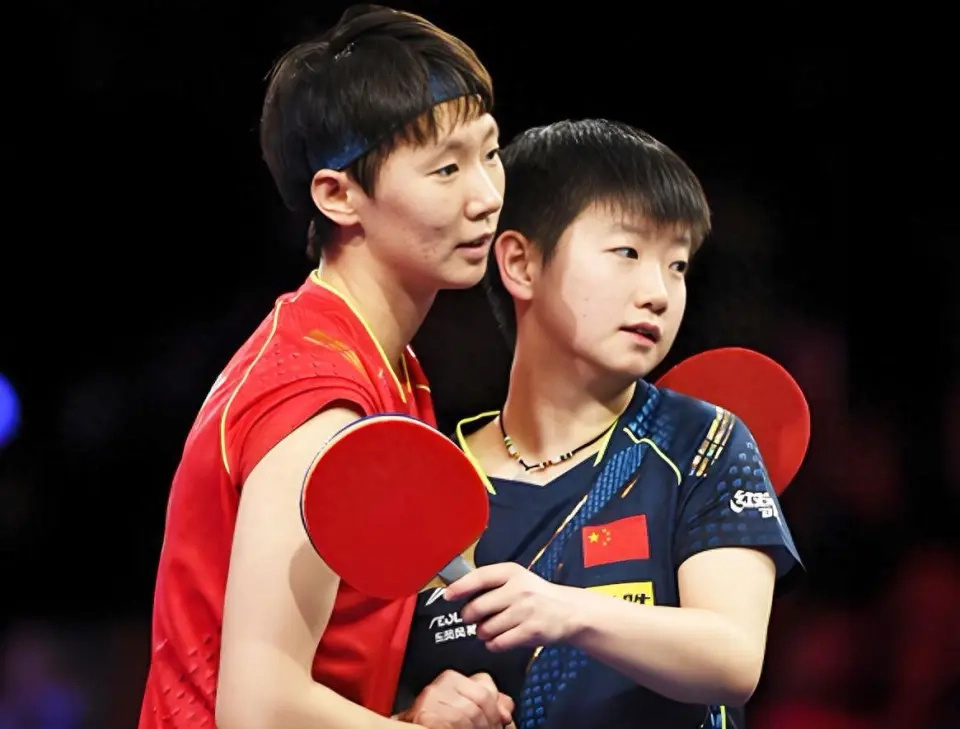
Two Chinese women were crowned champions in Beijing in the same October week, and their prize cheques were not in the same league. Zheng Qinwen's China Open title came with $1,151,380. Wang Manyu, who defended her title at the WTT China Smash, took home $135,000. The gap is close to nine-fold, and it has become the most durable sports argument in China this week.
A question posted on Zhihu about the two cheques had drawn a heat score above two million. "Table tennis players train just as hard," ran the framing that spread from it, "but the rewards are worlds apart" (国乒选手辛苦拼搏,可回报却天差地别). The number that stings is not the tennis purse itself — a WTA 1000 title is ordinary prize money by tennis standards — but the realization that China's two racket sports, which share athletes' workloads, fan bases and national pride, are priced on entirely different markets.
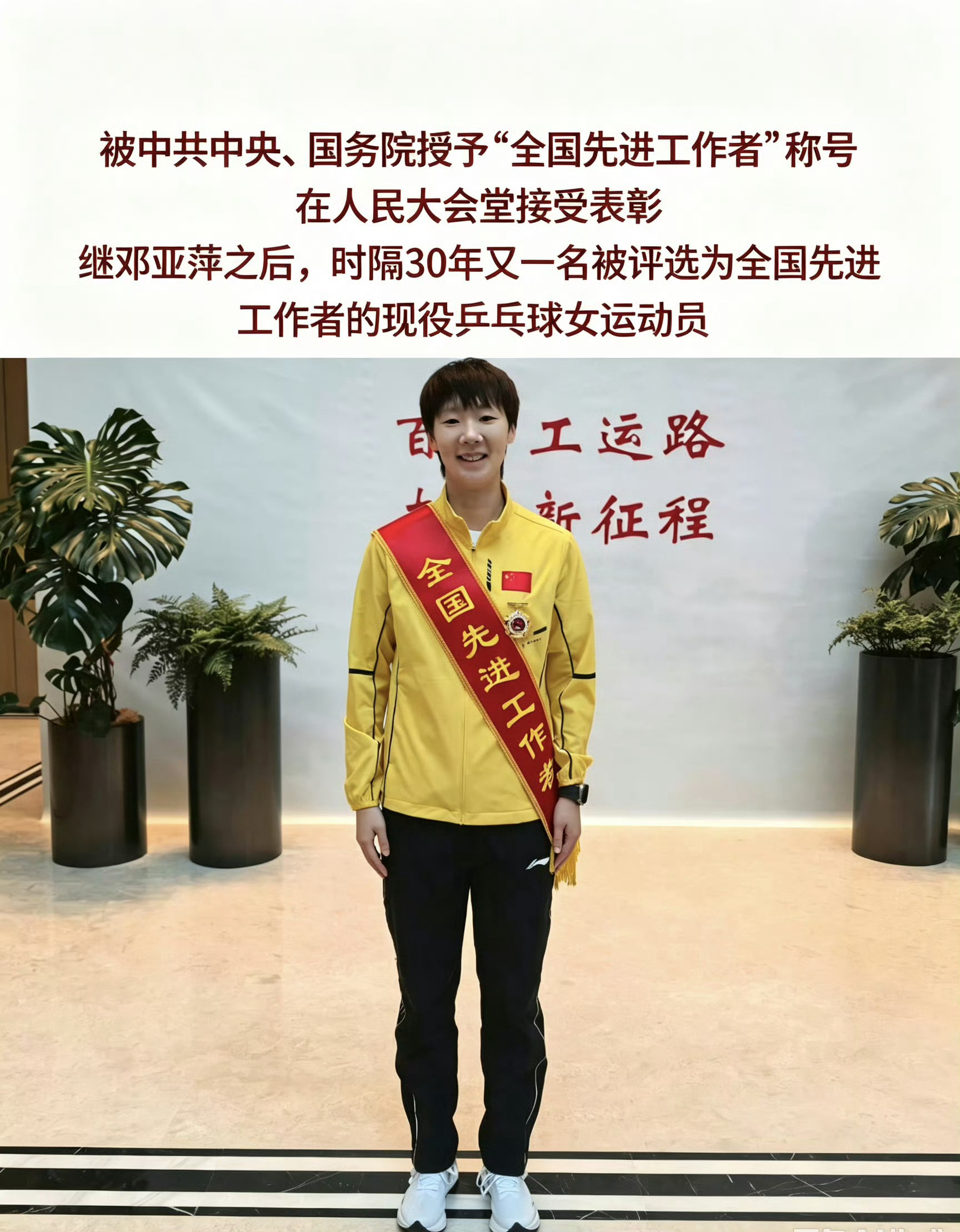
The mechanics are not mysterious. Tennis is a global commercial sport: a season of Grand Slams and tour events with prize pools in the tens of millions of dollars, broadcast rights sold worldwide, and a sponsor market in which a Chinese champion like Zheng is a genuinely rare asset. Her team alone reportedly costs 50,000 yuan a day, and her endorsement portfolio runs to fourteen deals. Table tennis's economy runs through the state system: its top players are national-team athletes whose prize pools are a fraction of tennis's and whose earning power sits inside team rules and mostly domestic sponsors. Wang Manyu's week — a title defended, the world No. 1 ranking reclaimed, the National Advanced Worker honor from earlier in the year recalled approvingly in fan posts — was as triumphant as Zheng's, and worth a fraction as much.
When Wang Manyu defended her China Smash title last week, the coverage was about the result. The argument since has been about the ledger behind it. Defenders of the state system point out that prize money was never the whole deal — training, coaching and support are publicly funded, and table tennis champions keep stable incomes and national honors that tennis players must buy with risk. Tennis partisans answer with arithmetic: endorsement markets follow global audiences, and tennis, not table tennis, has them.
That is the argument China is having under the headline numbers — whether the value of an athlete is set by the sport's global market or by the system that produced her. The International Table Tennis Federation's weekly update on October 12 put Wang Manyu first and Sun Yingsha second, with four of the men's top five ranked outside China: China still owns the sport's results. Who owns its market is the part being argued.