Zheng Qinwen's Team Costs 50,000 Yuan a Day, and 97% of Her Income Comes From Endorsements
Days after Zheng Qinwen became the first home-grown singles champion in China Open history, Chinese social media has been doing the arithmetic on her career: a support team that costs more than 50,000 yuan a day on the road, and an income that is 97 percent endorsement money. The figures reveal how expensive professional tennis is for Chinese players — and how little of it prize money pays for.
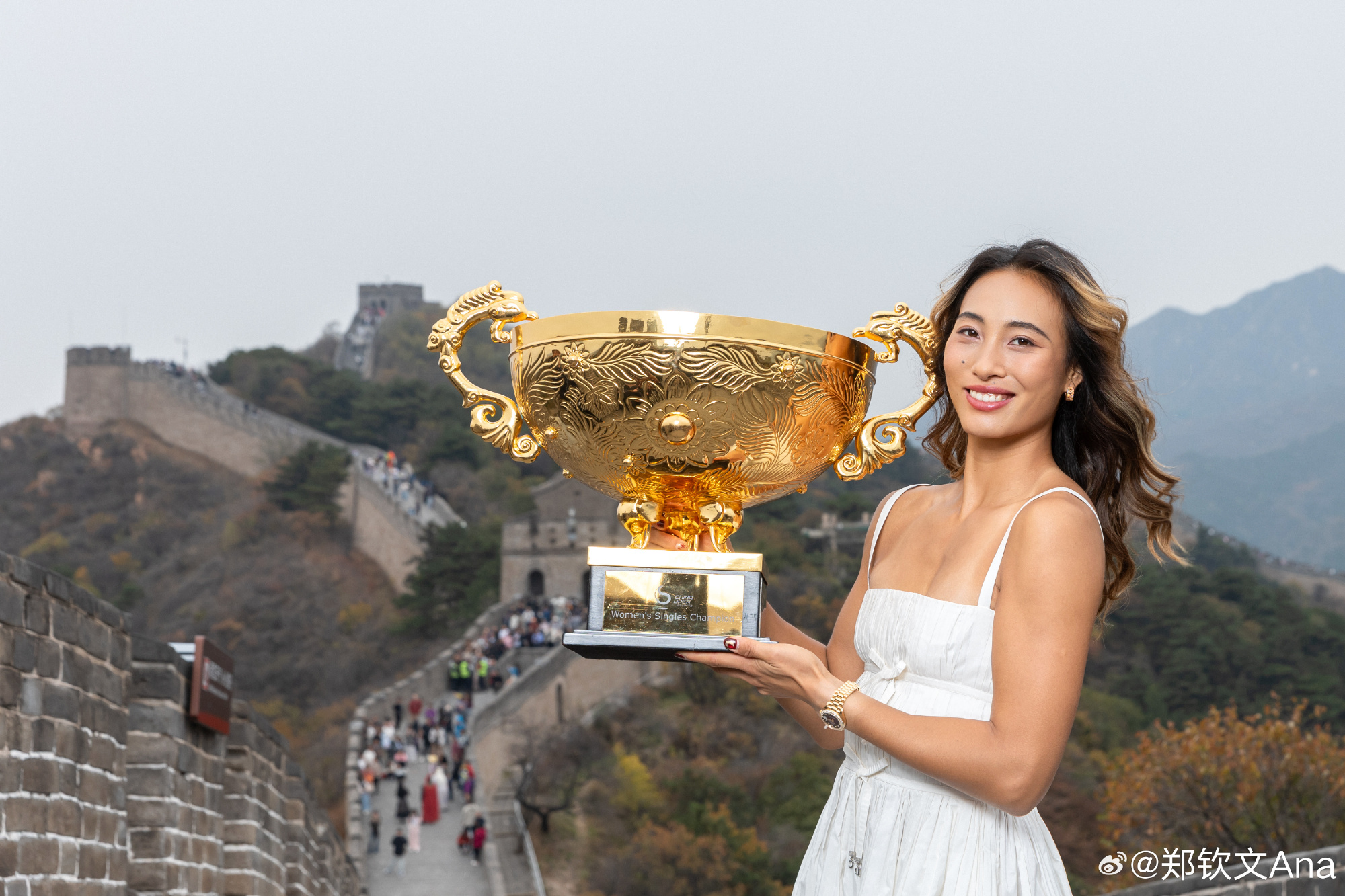
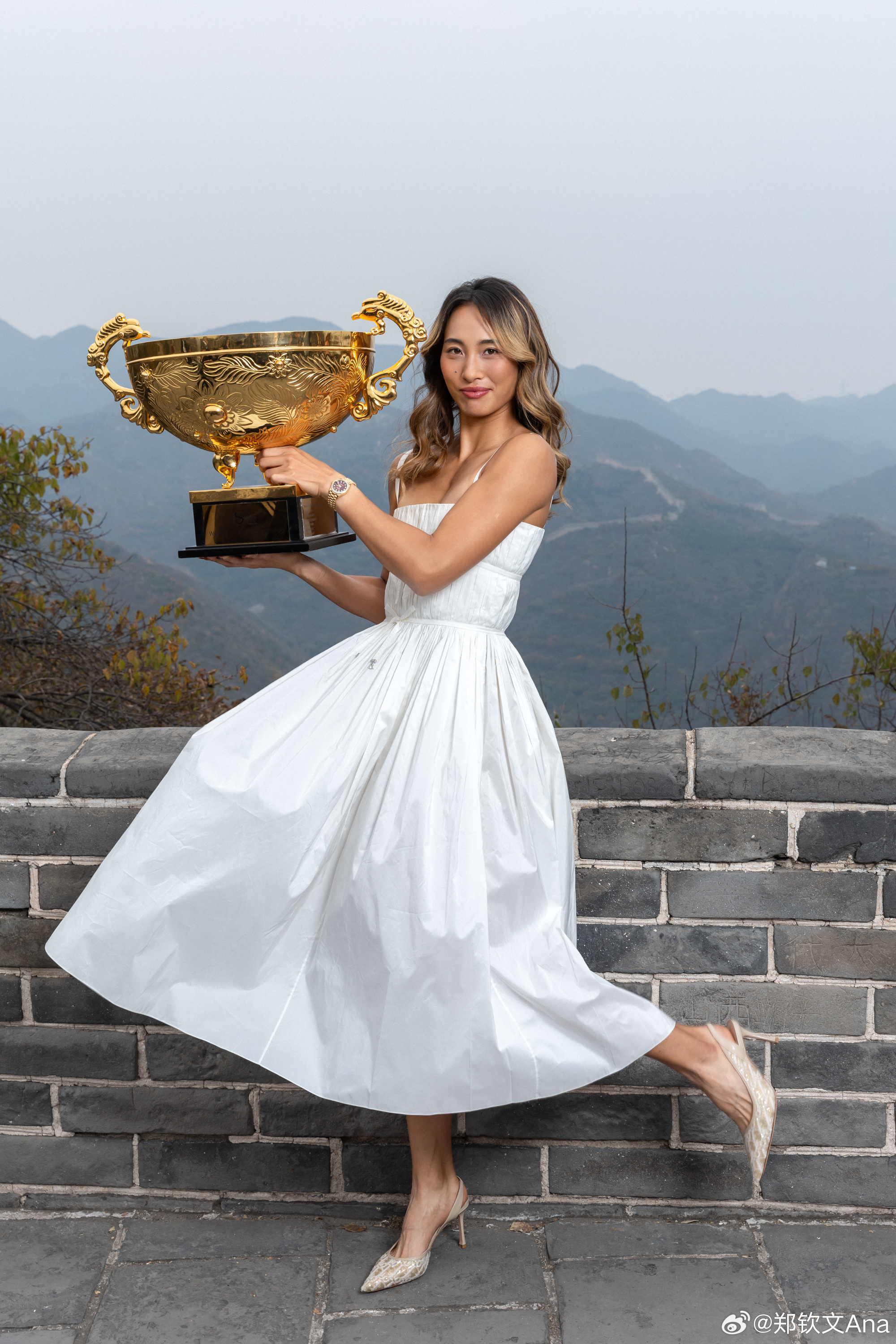
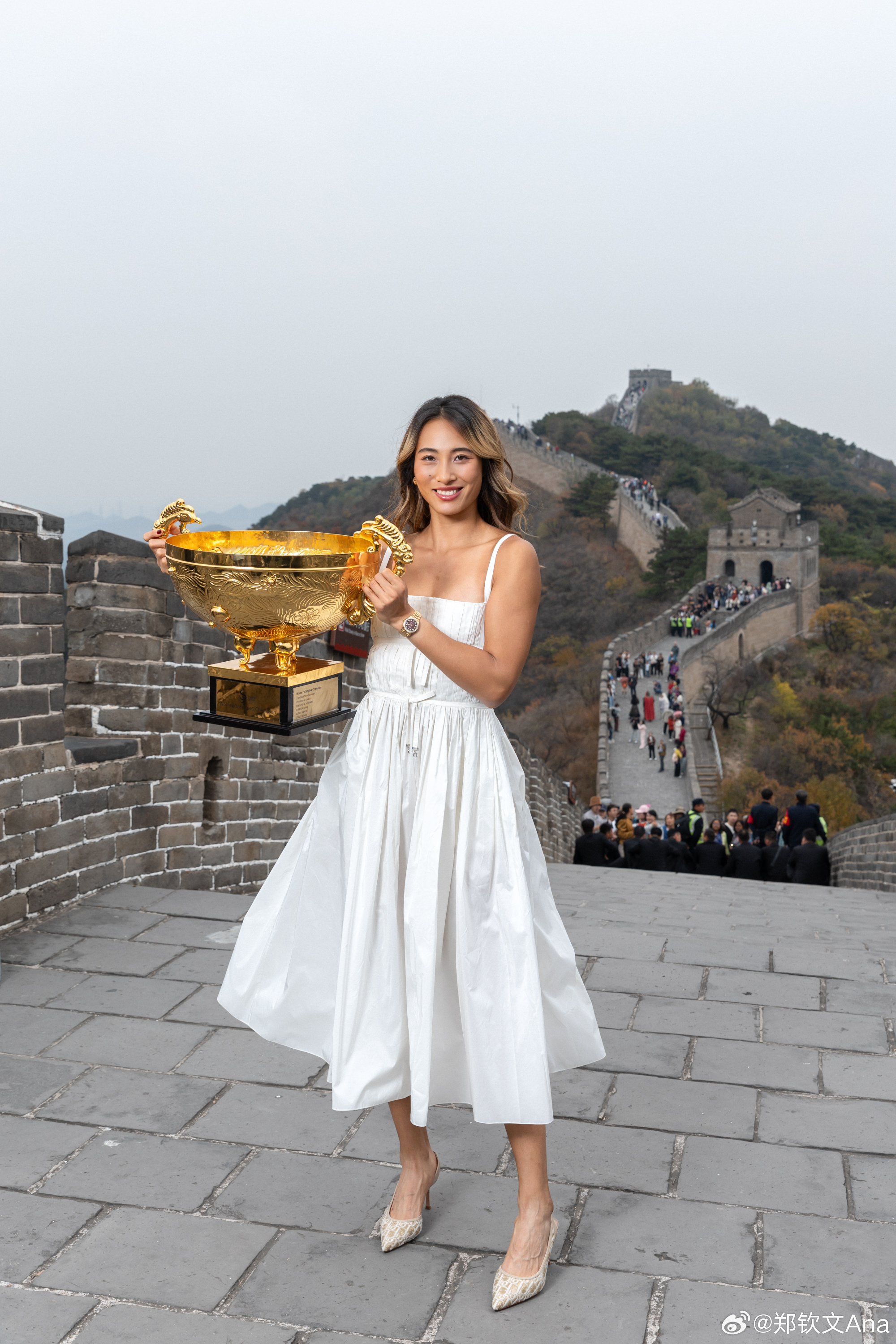
Days after she clinched the China Open title, Zheng Qinwen posted the photos her fans had been waiting for: a white dress, a heavy gold trophy, the Great Wall trailing off into the haze behind her. The set drew more than 118,000 likes on Weibo. But the conversation trending alongside the celebration this week was an audit of her business: what her team costs per day, and where the money that pays for it actually comes from.
The number that set it off was 50,000 yuan — roughly 7,000 US dollars — a day. That, according to the accounting circulating on Weibo, is the burn rate of her touring operation: a head coach at 600 US dollars a day, a fitness trainer at 450, a physiotherapist at 420, even a sparring partner at 300, before flights, hotels and meals for the seven or eight people who travel with her. Another post that broke down her US Open campaign made the arithmetic concrete: twenty-six days in New York before the main draw even began, about 1.38 million yuan spent on the ground, more than 1.5 million with flights — to enter an event she had to qualify for.
The income side of the ledger explains how the operation survives. Over the past twelve months Zheng earned an estimated 22.6 million US dollars, and — as the figure spread from Weibo onto Baidu's trending board — about 97 percent of it came from endorsements rather than prize money. Winnings are taxed in the country where they are earned, posters noted, so an early loss can cost money even when she wins a round or two; the equipment bill never pauses, with top-grade racket gut playing out in a couple of games and a dozen frames strung for a single match. Prize money, one post concluded, is not even the pocket change of her annual income.
This is professional tennis as China plays it at the top: an "individual household" business, in the phrase one widely shared post used — no federation salary, no state squad, every cost carried by the player's family or her sponsors. It is the model that produced Li Na, and its demands are the family lore that resurfaced this week: a father who pressed coaches until they took his daughter seriously, a family home sold to fund her training in Europe. The whole family, as posts put it, made the bet together.
The commercial machine around the title has been running at full speed since Sunday. When her tea-chain sponsor CHAGEE marked the win with a nationwide buy-one-get-one, queues in some cities ran four hours deep and the ordering app buckled; this week the company said it would pay 13.5 million yuan in bonuses and team-building funds to the store staff who absorbed the surge, and told Chinese media that campaigns around Zheng's major events are standard brand practice. The tennis is the trigger; the endorsements are the economy.
What the week's arithmetic leaves exposed is everything beneath her. The 50,000-yuan day is absorbable for a player whose face sells tea, sportswear and phones; for the players still paying their own way through qualifying, it is the arithmetic that keeps China's tennis pipeline short — and the reason a second Zheng Qinwen is a bet only a family can make.
She became the first home-grown singles champion in the tournament's twenty-year history — and, on this week's evidence, the only kind of champion that pipeline currently knows how to produce.