'Cash or the Gold?': A Bride's Fight With Her Parents Over the Three Golds Is China's Wedding Debate in Miniature
A bride-to-be's post about arguing with her parents over whether her fiancé's 'three golds' should be cash instead of jewelry drew 11,000 likes in a day, because it lands on an old question with new stakes: at today's gold prices, what is the tradition for — protecting the bride, or pricing her?
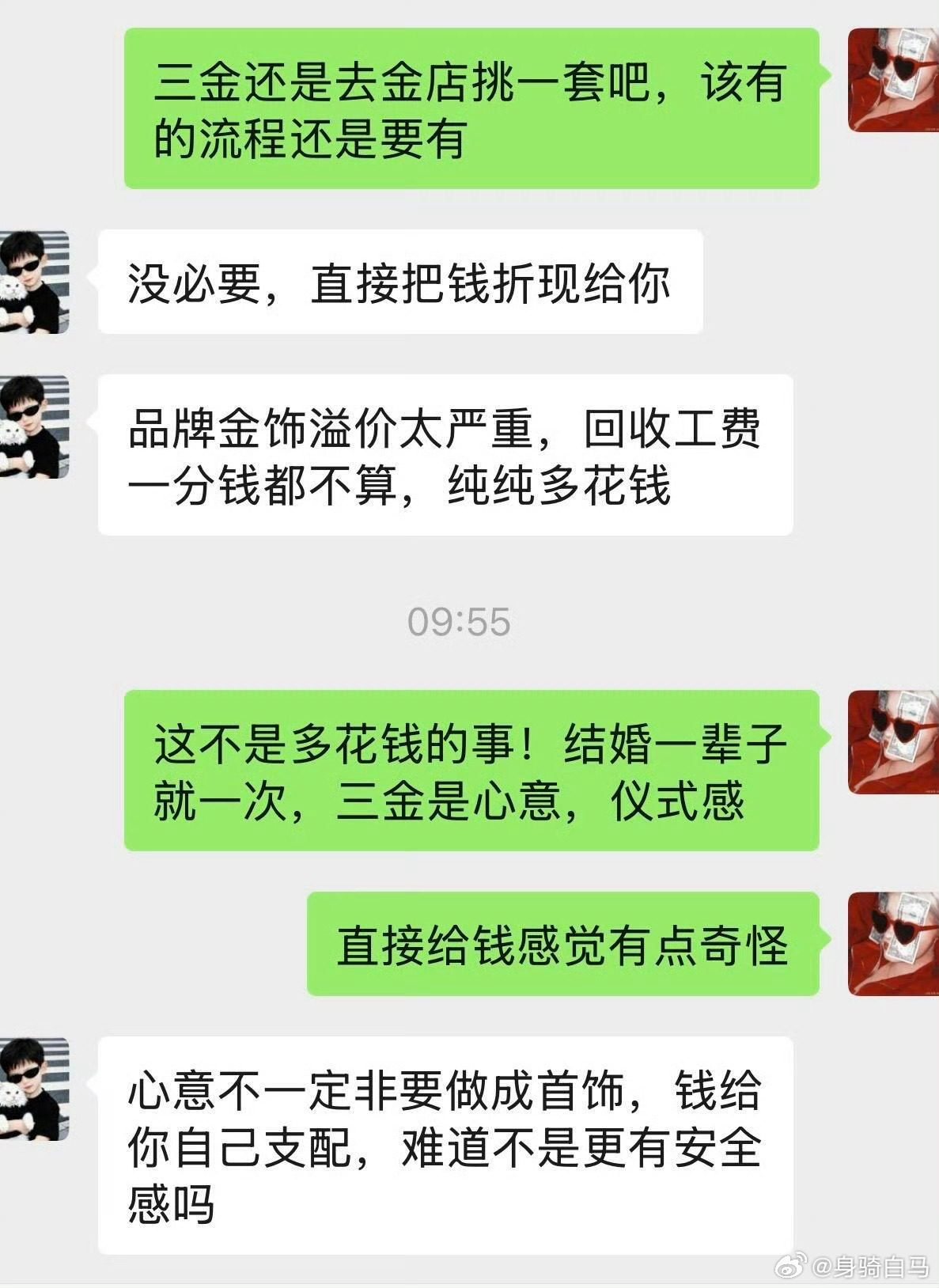
A bride-to-be posted last weekend about a fight with her parents over her upcoming wedding, and within a day more than eleven thousand people had liked it — not because anyone knows her, but because her dilemma is the season's most argued-about wedding question: what should the "three golds" be worth, and to whom?
The tradition is straightforward. A groom's family gifts the bride gold jewelry — classically a necklace, a bracelet and a pair of earrings, the "three golds" (三金) — before the wedding. It is one of the betrothal customs that has survived decades of changing wedding fashion, and at current prices it is no longer a token: with gold trading near record levels — spot prices around $4,170 an ounce even after a pullback this week — a full set of decent weight now approaches 100,000 yuan, as a trending hashtag for the phenomenon puts it.
Her fiancé proposed cash instead — 50,000 yuan rather than jewelry bought at retail premiums. She agreed, and her parents did not. Their position, argued at full volume: either hand the money to the daughter now, to keep untouched, or buy the gold — because gold is "real" in a way a bank transfer is not, and cash can quietly dissolve into wedding expenses and become, in her father's worry, a favour to the couple rather than a provision for the bride. "I understand my boyfriend, and I understand my parents," she wrote. "I hate October, I hate November, I hate everything about preparing a wedding."

Under the post, the argument ran along lines any Chinese family would recognize. The legalistically minded pointed out a wrinkle outsiders may not know: jewelry gifted to the bride before marriage counts as her personal property, while cash folded into the couple's shared life can become joint property — so the old-fashioned gold is, in effect, the pre-nuptial asset. A widely shared comment put it as practical folklore: "The meaning of the three golds is that they belong to the bride alone. Cash will be spent; gold can be kept, worn, and handed down."
Others heard something else in the debate. To them the fight is not about metallurgy but about leverage: parents insisting on the gold are insisting on proof that the groom's family is invested; fiancés proposing cash are refusing what one chat message called paying a "severe premium" for brand-markup jewelry. The same argument about what marriage money means — protection, purchase, or partnership — ran through the blind-date red-envelope story China argued over last week. This week it has a gold-price twist: a tradition is being repriced gram by gram, and every family must decide for itself what still holds value.
There is no verdict, only the deadline every wedding carries. The bride's own closing line suggested where these arguments end: not in agreement, but in exhaustion — and in a wedding that happens anyway.