How an Actor's Coded 'Has the Cat Been Fed?' Message Led Police to a Myanmar Trafficking Ring
A CCTV documentary has laid out how actor Wang Xing was lured to Thailand by a fake casting call, how a pre-agreed message about the cat alerted his girlfriend, and what a trafficked person costs in Myawaddy: up to 200,000 yuan.

The message that saved the actor Wang Xing read like absent-minded housekeeping: "猫喂了没有" — "Has the cat been fed?" He typed it to his girlfriend as the car collecting him from Bangkok's Suvarnabhumi airport turned north, away from the Phuket hotel on his itinerary and toward the Myanmar border. The couple had agreed before he left that the line would mean "I'm in danger and can't say so." She understood at once and reported him missing to the Shanghai police.
The full anatomy of the case became public this week in "The Record of Telecom Fraud's Collapse in Northern Myanmar" (缅北电诈覆灭纪实), a three-part documentary produced by the Ministry of Public Security with CCTV and aired October 5 to 7. Its reconstruction of Wang's four days doubles as a case study in how the scam economy beyond China's border recruits.
In late 2024, Wang, then a bit-part actor, saw a casting notice in a performers' WeChat group. Its author, calling himself "Yan Shiliu," posed as an assistant director filling roles on "Narcotics Police," a drama to be shot in Thailand; the script and cast, he said, were confidential. He asked for a self-taped audition and then bought Wang's round-trip Shanghai–Bangkok ticket and booked the hotel himself — as Red Star News recounted, professional touches that dissolved doubt. Wang flew out on January 2, 2025.
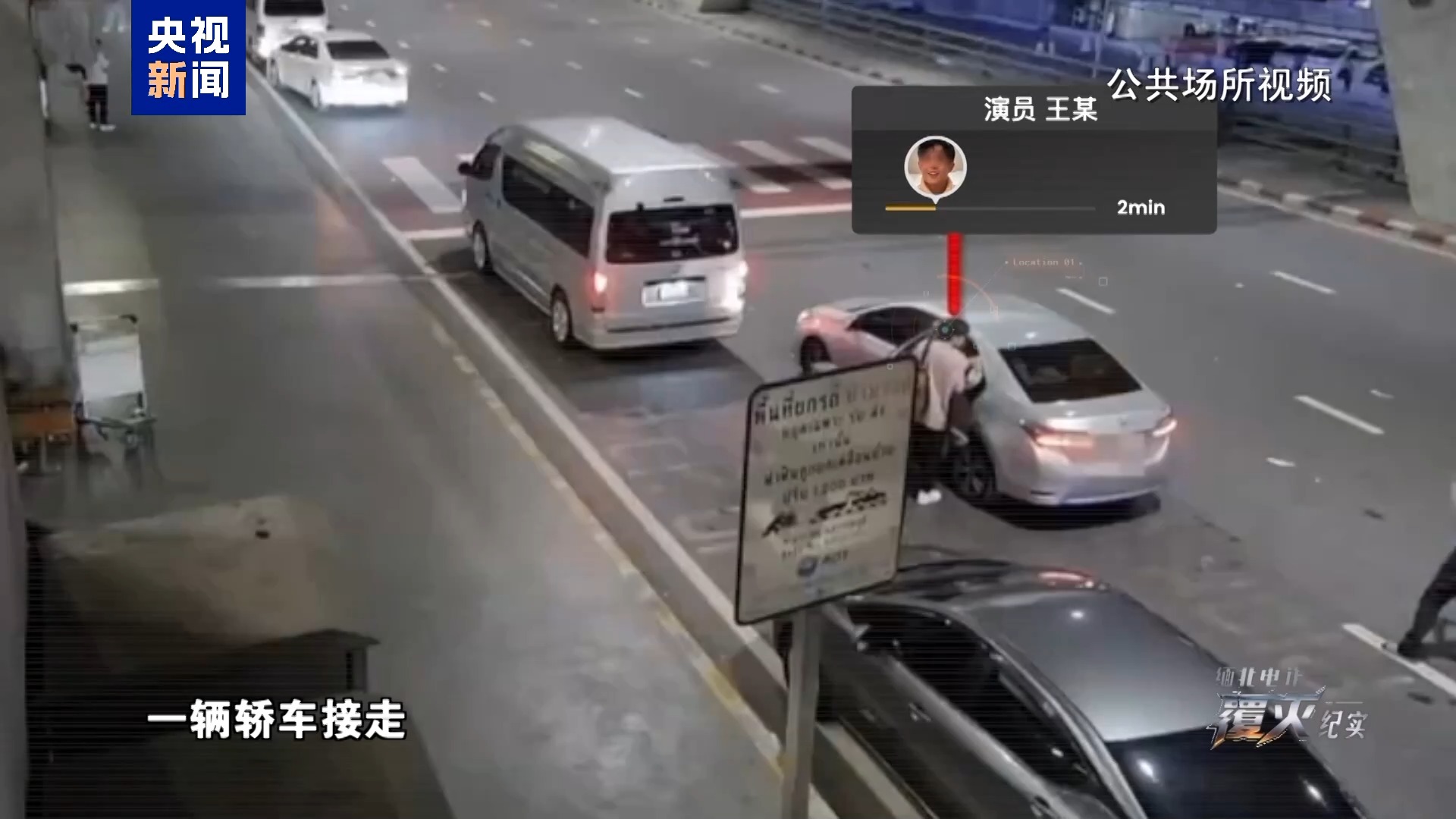
The sedan waiting at arrivals never pointed at the beach. It diverted toward Mae Sot on the Thai border, where Wang was told to switch cars near a supermarket; by then he had sent the cat message. Armed men smuggled him across into Myawaddy and he went silent. The phrase itself has become the story's most-shared detail — one widely shared comment urged families to agree on their own code, "in ordinary days the smell of home, in danger a signal flare."
What followed was resale. A Jiangsu anti-fraud officer told Beijing Youth Daily that Wang was moved from the Apollo compound to a black park beside Huanya, then on to Kaixuan — three sales in four days. He tried to buy his way out with money, and the traffickers' answer has become the film's most-quoted line: in Myawaddy, what is scarce is not money but people. Cover News reported that the going price for a trafficked person runs from 100,000 to 200,000 yuan, scaled by education and by typing speed — the skill a scam farm values most.
The girlfriend's alert triggered an international rescue. Police activated a law-enforcement cooperation mechanism with Thailand and Myanmar, and the joint team found Wang quickly. The case also unwound the pipeline behind him: 17 members of the cross-border trafficking gang, Yan Shiliu among them, were prosecuted in August on charges of trafficking women, unlawful detention, robbery and kidnapping — the same enforcement arc that in September brought sentences for the recruiters who lured a Belarusian model to a scam park.
On October 7, as the final episode aired, Wang thanked the police in a Weibo post: the nation's strength, he wrote, was "our most solid backing," and if letting "that legal vacuum be seen" buys more people their safety, the ordeal was "a kind of fulfillment."
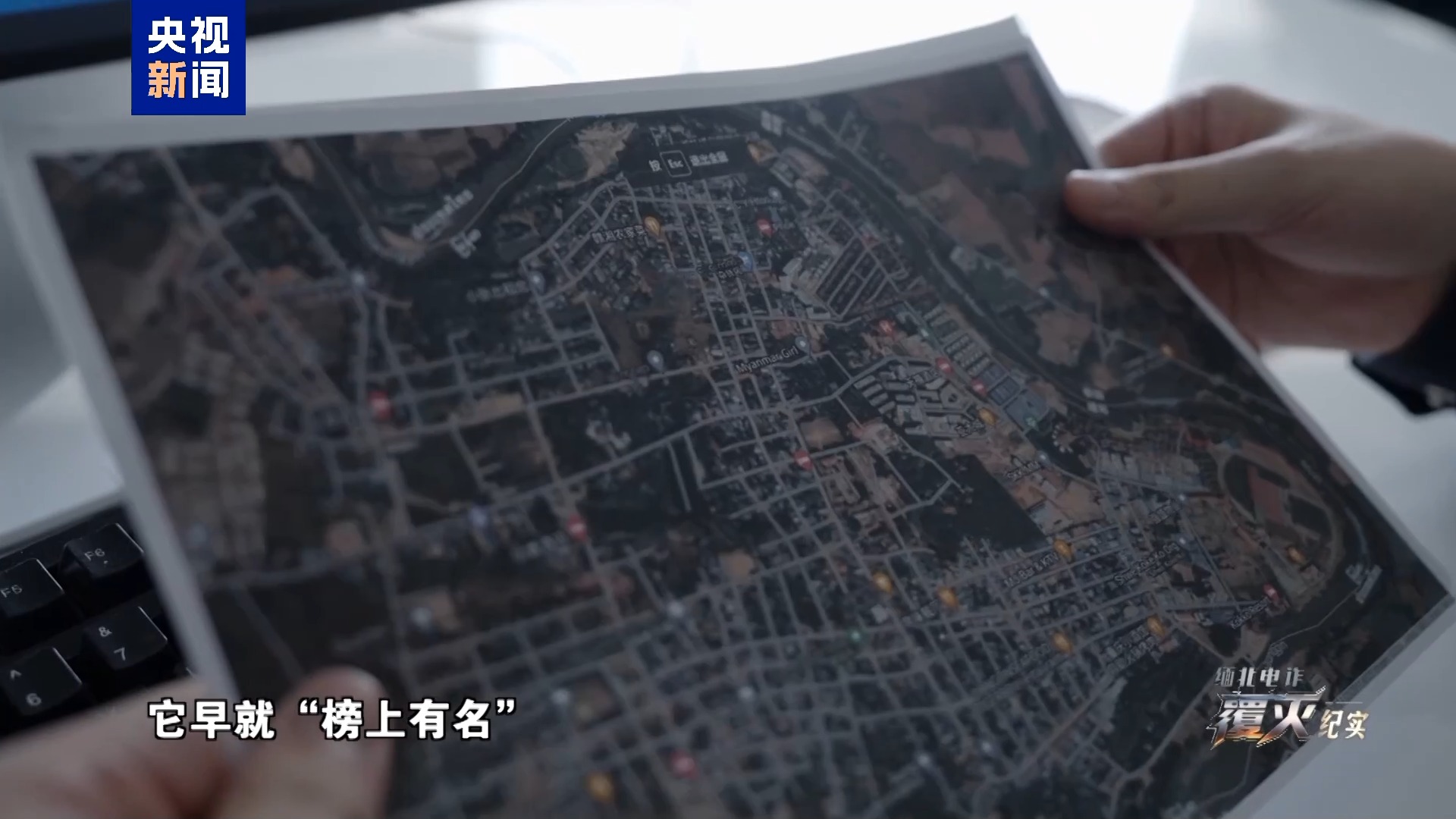
The documentary is also an answer to a question satellite images had already raised: what happens when the compounds China helped demolish grow back. The film shows the counter-measures at one revival — a fraud-ridden tower in Muse, less than 200 meters from the Ruili border crossing, where police and telecom regulators shut 75,000 phone numbers in three months — and the posture toward the next one. "If they rise from the ashes, we strike," the officer in the film says.