China Proposes to Ban Fully Hidden Door Handles on New Cars
Four ministries published draft rules on Saturday banning fully flush door handles on new cars — the pop-out panels that became a signature of Chinese EV design — after viral crashes in which doors could not be opened and weeks of brake-safety alarm. Carmakers have until July 2027 to prove existing designs are safe, or recall them.
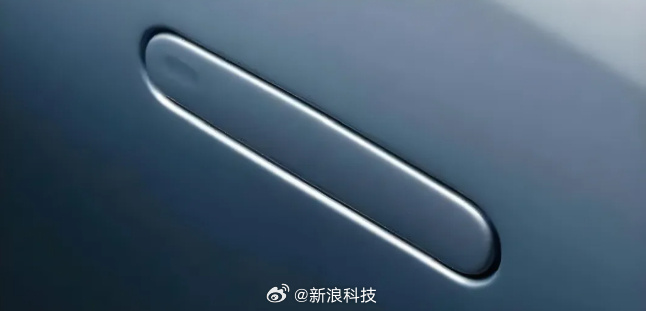
Four ministries led by the Ministry of Industry and Information Technology published draft rules on Saturday that would forbid new cars sold in China from carrying fully hidden door handles — the flush pop-out panels that have become a signature of the country's electric-vehicle design wars. The notice on strengthening the management of car design, R&D and testing validation, published for public comment, states the clause plainly: vehicles must not be equipped with fully hidden door handles. From 1 January 2027, any newly submitted model that claims an "innovative design" must declare its technical parameters and pass a safety and environmental assessment before it can enter the official approval catalogue that lets a car be produced and sold. Models already approved have until 1 July 2027 to file their testing evidence, and anything left with an unresolved safety hazard after that must stop production and be recalled. A Sina Technology post summarizing the notice drew more than 2,000 likes within hours.
Flush handles spread through the industry for reasons that made sense on a spec sheet. They shave aerodynamic drag — and therefore extend range, the number Chinese EVs compete on — and they read as futuristic on a showroom turntable, so as makers raced to out-design one another, a handle that sits level with the bodywork and only emerges when approached became a badge of modernity. The failure modes are the mirror image of the appeal. When the electronics do not respond — a flat starter battery, a crash that cuts the power, a handle frozen shut by a northern winter — drivers and rescuers are left searching for a door with no obvious way to open. A video post that resurfaced under the topic described exactly that scene: occupants of a crashed car unable to get out through doors whose hidden handles would not deploy, pleading through the windows, and argued the design is showmanship over utility (炫技大于实用) in a vehicle meant to carry grandparents and children.
The handle clause sits inside a broader tightening in the same notice. It would also prohibit folding and flexible display screens — the wraparound in-cabin displays several carmakers were readying for their next models — and require a full year of environmental adaptability testing plus at least 30,000 kilometres of reliability testing before an innovative design can be approved. Carmakers would have to validate the reliability of braking systems before sale, investigate and report any safety incident they learn of, and drop exaggerated or misleading safety claims from their marketing. It lands weeks after an independent test showed brake pedals snapping in the Zunjie V800, the flagship sedan built with Huawei's input, crashing its manufacturer's stock and Zunjie issuing denials and free-brake upgrades — a sequence that put EV safety testing on front pages for days. Commenters read Saturday's document as the policy reply arriving: one, cheering the ban, noted that folding displays he had seen carmakers readying were stopped before the first one ever shipped.
The reaction was unusually close to unanimous for an industrial-policy story. The auto blogger Han Lu wrote that he "fully supports" doing away with the fully hidden handle and would accept the small drag, noise and energy cost of a half-recessed one — "friendlier for new drivers, easier to pull in an emergency." The story climbed Baidu's search board within hours, holding parallel headlines at No. 14 and No. 23, and ran on Global Times and Yicai's wires the same afternoon. From 2027, no new model can clear certification with a fully hidden handle — and under the same notice, any current design that later shows a real-world failure can be ordered into a recall.