How a Free Village Canteen in Sichuan Ended Up Stocked by Its Own Elderly Diners
A village canteen in Luzhou, Sichuan serves free lunches to anyone over 70 — and three months in, it has not bought a single vegetable, because the elders it feeds compete to donate rice, oil and appliances instead.
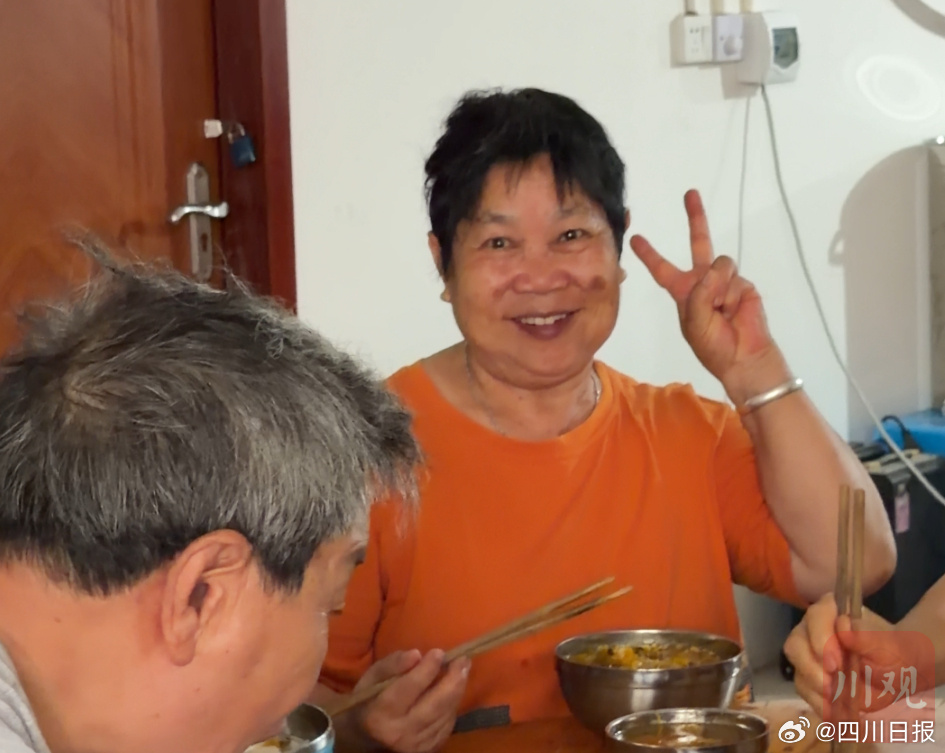
At noon in Qipan Village, in Sichuan's Luzhou, sixty-odd elderly residents take their seats at round tables while three dishes and a soup come out of the kitchen. The rule at the 'rural grand canteen' has held since it opened on a trial basis at June's Dragon Boat Festival: anyone in the village over 70 eats free, and not a cent is taken. Three months on, the canteen has not bought a single vegetable — Sichuan Daily reported this week that donated produce keeps it stocked.
That inversion is what pushed the story up Baidu's trending board as “a village opens a free canteen, but the elders rush to subsidize it” (村里开免费食堂 老人却抢着“倒贴”). Rather than draining the kitchen, the diners deliver sacks of rice and flour, jugs of cooking oil, even household appliances. Villagers have offered up spare rooms so the canteen can expand. Adult children working in other cities have telephoned to thank the organizers for looking after parents they see a few times a year.
The need it answers is demographic. Roughly one in three of Qipan Village's permanent residents is over 70, and most live apart from their children. The wall carries a roster of every diner — names, ages, phone numbers — from the youngest at 70 to the oldest at 92; when someone fails to appear at lunch, the person on duty calls to ask why. “If an elderly person is home alone and something happens, nobody knows,” village Party secretary Zeng Xiaohua told the paper. “This way they look out for one another.”
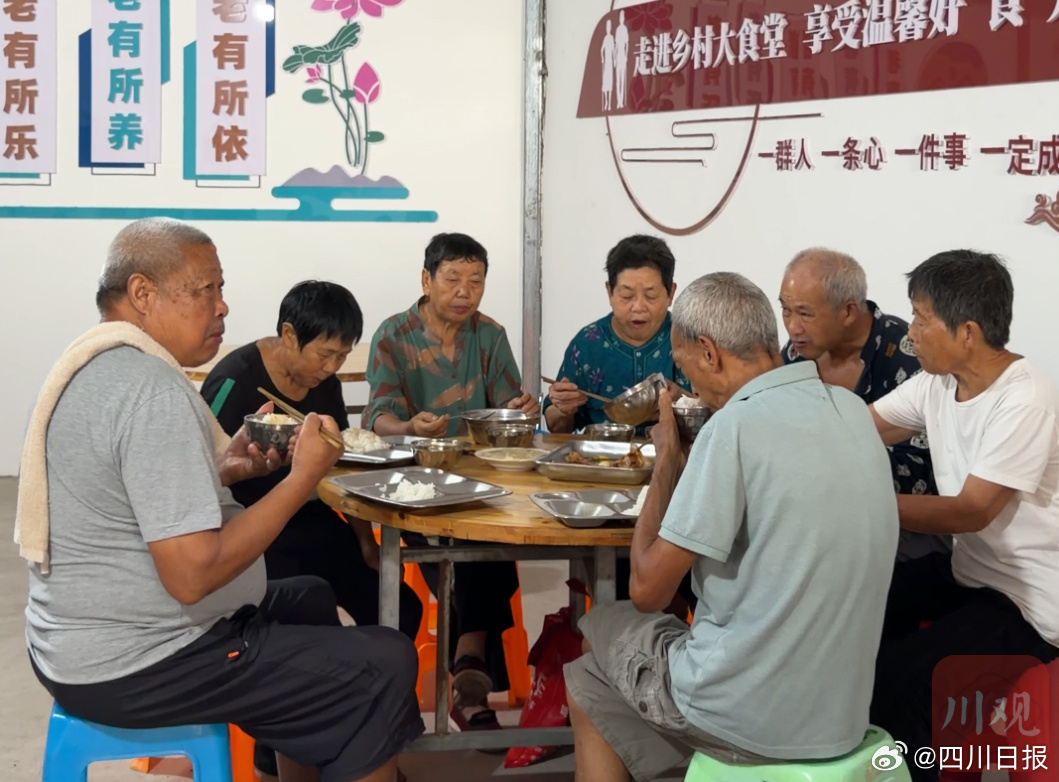
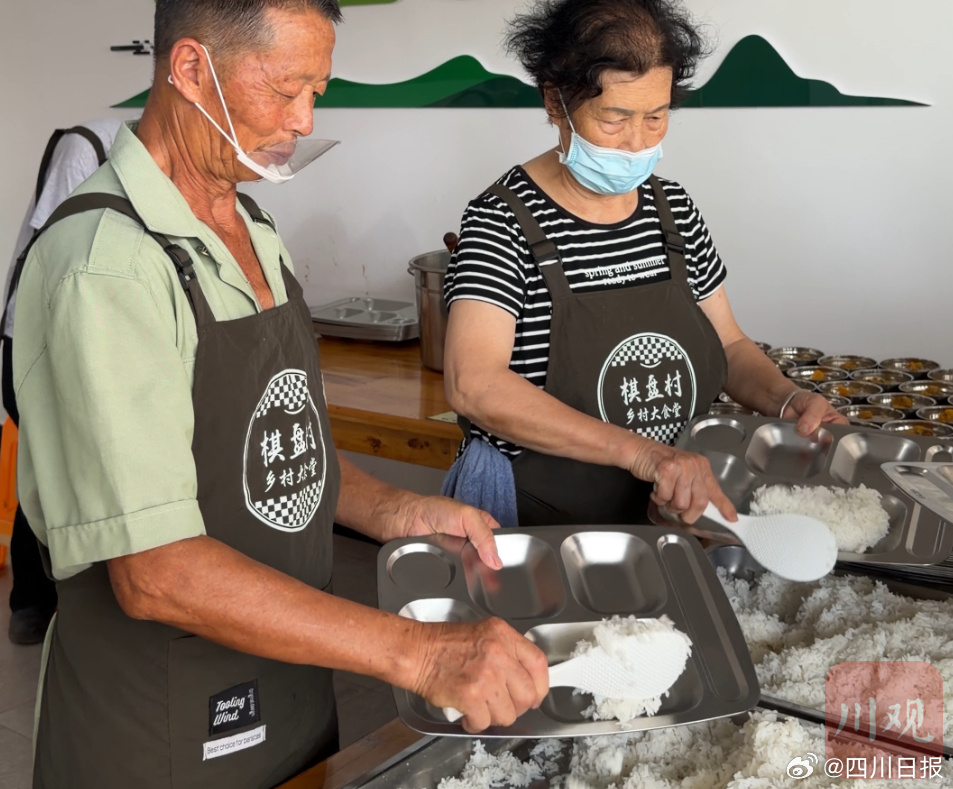
What has drawn attention beyond the heartwarming surface is how the place runs. Meals are paid for with points earned by helping in the kitchen, cleaning, or volunteering; the manager is elected by the elders themselves; seven teams rotate the cooking and the sweeping; the weekly menu is settled by group discussion. Some helpers even earn small cash stipends on top of their dinners. Local businesses donate, and the village committee is drawing up a plan to sell the village's farm products with proceeds flowing back into the pot. The canteen is not charity consumed by the old — it is largely operated by them.
The name itself carries history: 大食堂, the 'grand canteen,' is the term for the communal dining halls of the people's-commune era, and using it here is a deliberate, slightly wry nod. The modern version is voluntary and self-governing, and it is appearing because rural China is ageing faster than its services can follow — the same pressure that is converting empty village primary schools into nursing homes elsewhere.
Whether Qipan's model survives beyond one motivated village committee and a wave of goodwill is the open question; its food budget currently rests on donations and a not-yet-launched produce business. But the canteen's most valuable service is already free to provide: someone notices who did not come to lunch.