Master Baker Sticks 140 Burnt Biscuits in 8 Minutes
In the quaint county of Jinyun, located in the heart of Zhejiang Province, a traditional culinary delight has been captivating the hearts and taste buds of locals and visitors alike. The humble "burnt biscuit," or "烧饼" as it is known in Chinese, has evolved from a simple, unassuming snack into a beloved symbol of the region's cultural heritage. This unpretentious treat, characterized by its crispy exterior and soft, fluffy interior, has become an integral part of the local identity, evoking a deep sense of nostalgia and community pride.
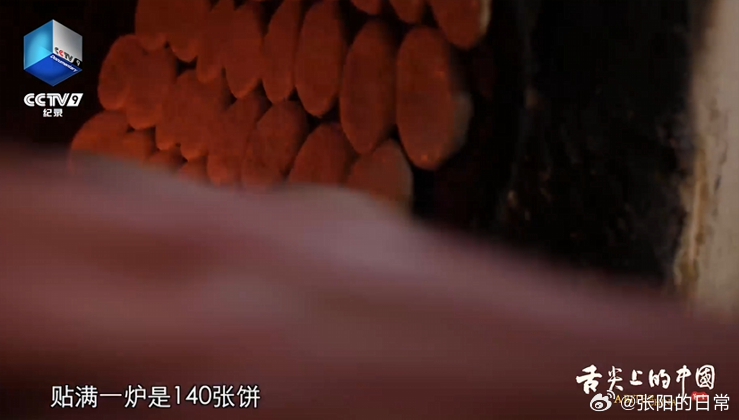
The traditional fire roasting technique used to make these delectable烧饼 is an art form that has been passed down through generations. The process begins with the preparation of the dough, which is then shaped into small, oval-shaped buns. The buns are then placed on a convex surface and brushed with a layer of oil, before being sprinkled with sesame seeds. The baker, or "师傅" (shifu), must quickly and skillfully insert the buns into a scorching hot oven, typically at a temperature of around 200 degrees Celsius. This is done by hand, with the shifu using a swift motion to place the buns on the inner surface of the oven. The speed and agility required to complete this task are truly impressive, with some shifu able to stick up to 140 buns in just 8 minutes.
The mastery of the burnian artisan is a sight to behold. With years of experience and dedication, these skilled craftsmen have honed their technique to produce the perfect burnian every time. The process begins with an expertly controlled furnace, heated to a precise temperature, to slow-cook the burnians to perfection. The artisans then carefully place the dough on the furnace, making sure to cover the entire surface, before removing the residue that covers the furnace and allowing the burnians to cook from the bottom up. A key aspect of the burnian artisan's technique is their ability to judge the perfect moment to remove the burnians from the furnace. If the burnians are not cooked for the right amount of time, they can be undercooked or overcooked, affecting their texture and flavor.
The result of the burnian artisan's hard work is a delicious and crispy burnian that is both savory and sweet. With a texture that is both crunchy on the outside and soft on the inside, the burnian is a true delight to eat. Whether enjoyed on its own or paired with a variety of toppings, the burnian is a culinary experience that is sure to leave a lasting impression. The art of making traditional Chinese burn cakes has been elevated to a respected industry in certain regions of China, particularly in Zhejiang Province's Lishui City and Jiangsu Province's Taizhou City. The intricate process of creating these delicious pastries has been passed down through generations, and the story of a master baker who can stick 140 burn cakes to the inner wall of a furnace in just 8 minutes is a testament to the skill and craftsmanship required to produce these tasty treats.
The significance of burn cakes extends beyond their cultural and culinary value, as they have become an integral part of the local economy and a source of pride for the communities that produce them. Efforts to preserve the traditional techniques and recipes used to make burn cakes underscore the importance of safeguarding this cultural legacy. As the demand for traditional burn cakes continues to grow, it is essential to balance the need for preservation with the requirement for innovation and adaptation. By embracing new technologies and methods while remaining true to the traditional techniques and ingredients, burn cake makers can ensure the long-term viability of this beloved industry. Ultimately, the story of burn cakes serves as a reminder of the power of food to bring people together and evoke a sense of nostalgia and community. Whether enjoyed as a humble snack or savored as a culinary delight, burn cakes have become an integral part of Chinese cuisine and culture, with a rich history and a bright future ahead.