It's Okay to Miss Someone to Madness
Tsai Kang-yung, a renowned Taiwanese writer and talk show host, made a heartfelt and emotional speech at the Taipei International Book Exhibition, where he discussed the theme of missing someone dearly. As he read from Japanese author Banana Yoshimoto's novel "Kitchen", specifically the chapter "Moonlight", which deals with the theme of survivors missing the deceased, Tsai became choked with emotion and was momentarily unable to speak.
Tsai expressed his gratitude to Yoshimoto for "embedding all the comforting things in her novels", which help readers cope with the pain of loss. Although the event did not explicitly mention the late Taiwanese celebrity Barbie Hsu, the atmosphere felt like a tribute to her. Tsai's speech seemed to be a reflection on the human experience of missing someone dearly, and how it's okay to feel that way. He shared that "even if you miss someone to the point of madness, seeing so many people in the novel who are just as crazy as you, you'll realize that missing someone that much is not something to be ashamed of."
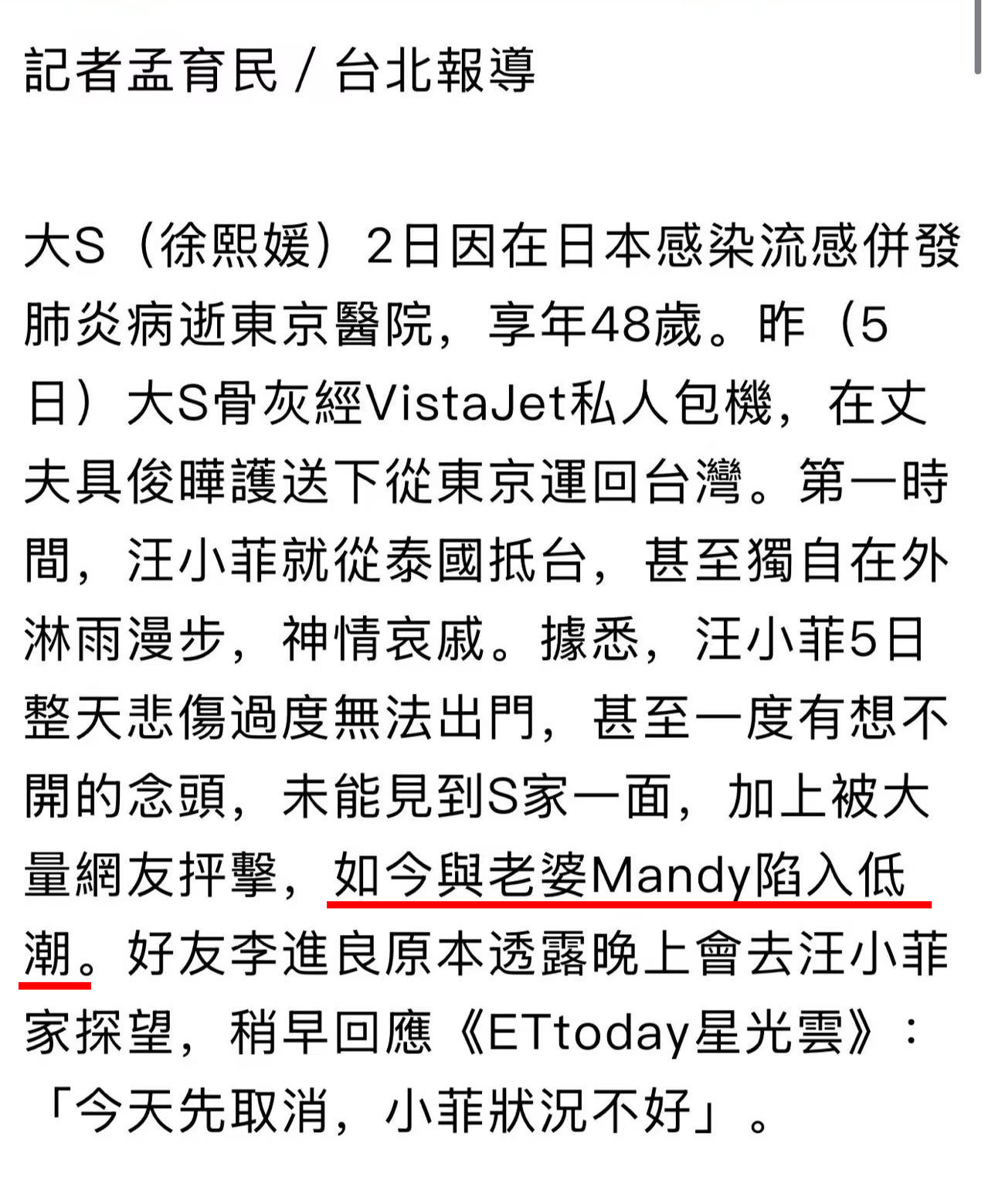
The recent book exhibition event saw Tsai expressing his deep affection for his late friend, sparking widespread resonance and heated discussion among netizens. Many expressed understanding and respect for Tsai's sentimental remarks, praising his genuine expression of human emotion and profound friendship. This incident is not an isolated event, as it comes amid a complex backdrop of controversy involving Barbie Hsu's husband, Wang Xiaofei, and a Korean celebrity, Joo Won.
Tsai's emotional speech has sparked a wave of discussion on social media, with many netizens sharing their own experiences of missing loved ones and finding comfort in Yoshimoto's words. As one netizen wrote, "No matter how much you miss someone, it's never shameful. That love will always be worthy of respect." Yoshimoto, who lost a close friend recently, shared that her interest lies in depicting the process of healing a wounded heart, rather than death itself. She hopes that through her novels, readers can "find back what was lost during growth" and learn to live with the memories, even if life takes many wrong turns.
Tsai's sentiment resonated with the audience, who applauded encouragingly as he struggled to compose himself. The book he was discussing tells the story of a young woman who is desperate to reconnect with a loved one she has lost. The narrative explores the theme of longing and the human desire to hold on to memories of those who are no longer with us. Tsai's emotional tribute to his late friend was a testament to the strong bond they shared, and the news of her sudden passing had left him reeling.
In the midst of his grief, Tsai found solace in the words of Banana Yoshimoto, who seemed to understand the complexities of human emotions. As he read from the book, he felt a sense of comfort in knowing that he was not alone in his feelings. The story reminded him that it was okay to feel overwhelmed by grief and that it was a natural response to the loss of someone loved. Tsai's emotional outpouring was a poignant reminder of the power of friendship and the impact that loss can have on our lives.
The incident also highlights the importance of social and emotional expression in modern society. Tsai's speech encourages people to be more open about their emotions, especially when dealing with loss and grief. By acknowledging the validity of intense emotions, Tsai's words remind us that it's okay to not be okay, and that seeking help and support is a sign of strength, not weakness. As society continues to evolve and prioritize mental health and emotional well-being, Tsai's speech serves as a powerful reminder of the need to foster a culture of openness, empathy, and understanding.