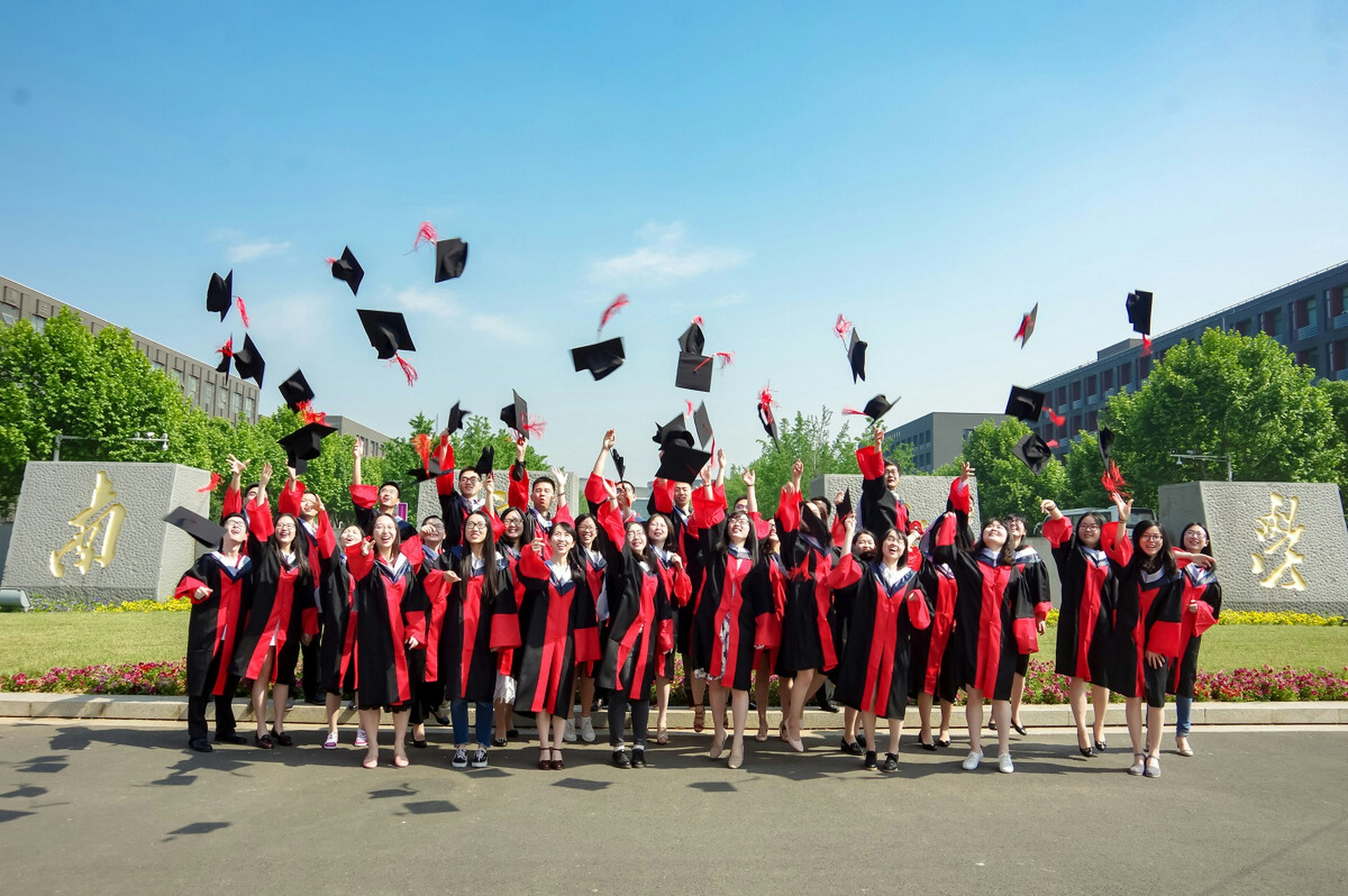
Why Tsinghua and Cambridge PhDs Are Becoming Chinese Middle-School Teachers
China's doctoral enrollment passed 200,000 students a year for the first time in 2025, and the academic job market cannot hold them. The most visible consequence: elite secondary schools in Shenzhen and other rich cities now staff their classrooms with Tsinghua, Peking University and Cambridge PhDs.
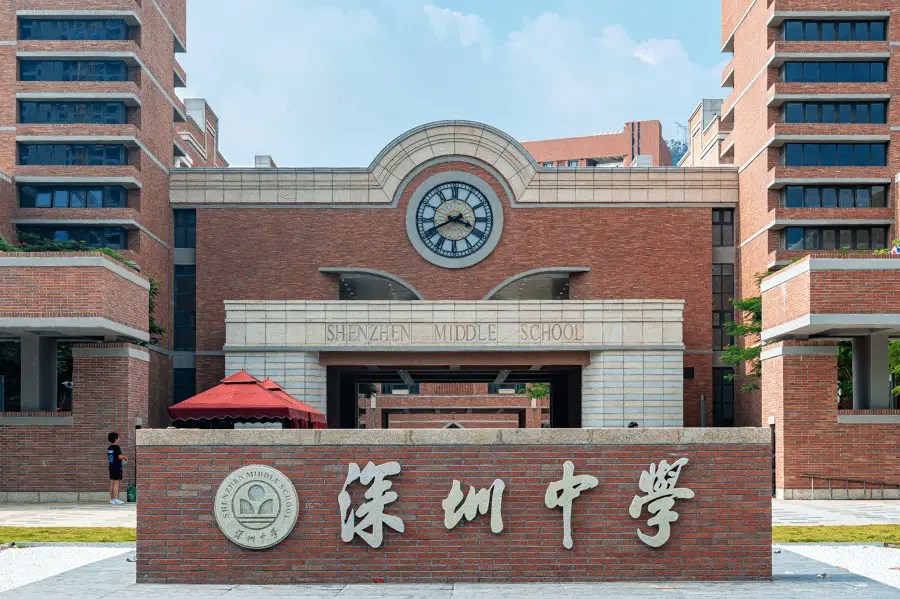
Among this year's new hires at Shenzhen Middle School, a state secondary school in one of China's richest cities, are a Tsinghua University electrical-engineering doctoral graduate assigned to teach high-school math and a Cambridge electrical-engineering PhD assigned to high-school physics. They are not exceptions. The school's own introduction says its faculty includes more than 100 doctorate holders — over 150 graduates of Tsinghua and Peking University, and more than 100 from Harvard, MIT, Oxford and Cambridge. All 21 of this year's hires hold postgraduate degrees: five PhDs, sixteen master's.
Nationwide, the Ministry of Education's statistics show doctoral enrollment crossed 200,000 for the first time in 2025 — about 201,600 new PhD students — while graduates topped 110,000. That scale has reopened a debate that ran all week on Baidu and Zhihu and spread to Hong Kong and Taiwanese outlets: with roughly 750,000 people now in doctoral study, is China producing more PhDs than it knows what to do with? Defenders point out that, measured per capita, China's doctorate density remains far below the United States, Germany or Britain. The tighter question is where the degrees land: university positions, the traditional destination, have stopped absorbing them, and scholars quoted by Caijing and HK01 argue the real test is whether graduates find work that uses their research training at all.
A large share is landing in schools. By the end of 2024, China's primary and secondary schools employed 5,910 doctorate holders and more than 855,000 teachers with master's degrees — over 860,000 postgraduates in the classroom, concentrated in the key schools of Beijing, Shanghai, Shenzhen, Guangzhou and Hangzhou. The pay is part of the pull: labor-market researcher Mycos finds teachers' starting salaries and job satisfaction have risen for five consecutive graduating cohorts, and positions in wealthy city districts come with the hukou and housing perks that scarce academic posts no longer promise.
On Weibo, the reaction has been more relaxed than the headlines might suggest. "It's really just a matter of career choice — being a teacher is a good option," one commenter wrote, in a post liked nearly 200 times. "Teachers with strong academic foundations are good for education." Observer Network, which aggregated the data, framed the trend with two other statistics: more bachelor's graduates are choosing to teach in the poorer central and western provinces, and AI tools are entering daily classroom work.
The phenomenon sits inside a broader anxiety about credentials that the site has tracked before — employers screening candidates by their 'first degree' even when a state agency insists the concept does not exist. Degree inflation is felt on both ends: a doctorate is now a plausible qualification for a Year 10 math class, and a master's may not clear the filter. The open question the debate leaves is the one economists keep circling: China wants a research-intensive economy, and the PhD pipeline is full — the unfinished part is the bridge from campus to industry.