Drone 'Bodhisattvas' and AI Voices of the Dead: Chinese Funerals Are Going High-Tech
A funeral service combining drone-carried glowing Buddhas, AI voices reconstructed from the deceased's own recordings, and a DJ remix of a Buddhist chant is trending in China — priced from thousands to over ten thousand yuan a performance.
A funeral in China can now include a drone shaped like a crane carrying a glowing Buddha figure into the sky, while an AI voice reconstructed from the deceased's own recordings offers words of comfort, all set to a DJ remix of a Buddhist chant. A video of one such service has been circulating on Weibo under the hashtag "this is what the funeral industry has come to," liked more than 9,000 times, and it has opened a familiar national argument: what belongs to grief, and what belongs to the market.
The services on offer are elaborate. According to one widely shared post, drones are refitted into the shapes of cranes, lotus flowers and Guanyin, the bodhisattva of compassion, and paired with an AI voice built from audio the deceased left behind, generating farewell messages mourners hear in their relative's own voice. Prices run from several thousand yuan to more than 10,000 per performance. Another post described a package quoting above 5,000 yuan — a crane-shaped drone lifting a glowing Buddha as an AI voice rises over a DJ remix of the Great Compassion Mantra — and framed the question bluntly: a solemn farewell turned into an air show.
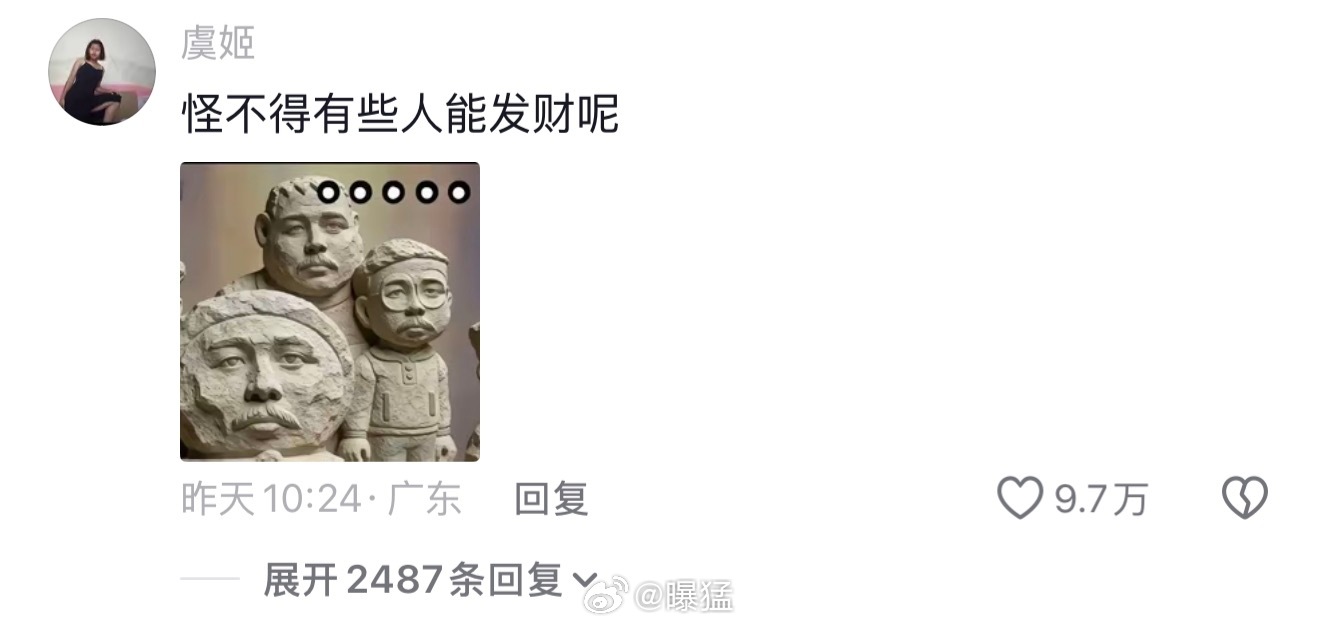
The top comment under the viral video, liked more than 90,000 times, cuts straight to the economics: "No wonder some people can get rich" (难怪有人能发财). One commenter elaborated with a kind of admiration: drones plus AI voices means "the low-altitude economy, funerals, family healing and AI — every hot trend at once," calling the inventor a talent riding the "low-altitude economy," the government-promoted umbrella term for drone logistics and flights.
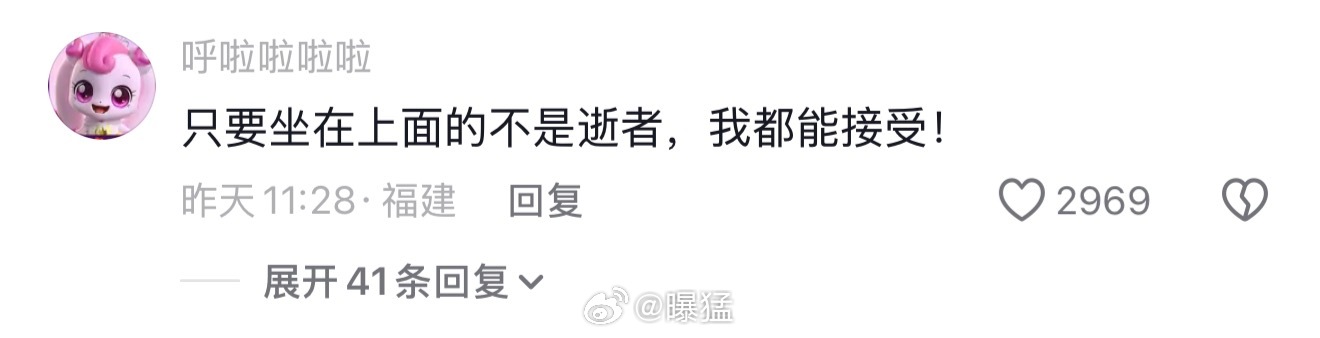
The comment sections read like the debate in miniature, and the most-liked remarks reveal where the line actually sits. "It makes up for the funeral industry's lack of tech backing," read one comment, liked 1,600 times. "This would be invincible in ancient times," joked another, at 2,500 likes — folding the service into China's long habit of judging the present by what even an emperor could not afford. The most-liked of the serious objections, nearly 3,000 likes, drew the line with precision: "As long as the person sitting on it isn't the deceased, I can accept it."
That comment is the crux. What Chinese commenters are negotiating is not whether technology should touch death — AI voices of the dead, digital memorials and livestreamed funerals are all established businesses in China — but where application becomes transgression. A drone is applause-worthy above the hearse; it would be unthinkable beneath the body.
The timing is not accidental. China's funeral industry is modernizing under pressure from the "silver economy" — the policy push around services for a fast-aging population — and the country entered "moderate aging" this year, as we covered last week, with more than one in five citizens now over 60. Every emotional service, from AI-composed eulogies to drone send-offs, is being pitched into that expanding market. The technology will be sold; each family will have to decide where dignity ends.