Sirens, Bells and Silent Fan Accounts: How China Marks the September 18 Anniversary
Ninety-five years after the 1931 incident that began Japan's occupation of Manchuria, China marks September 18 with sirens, a fourteen-strike bell — and a digital-age ritual in which celebrity fan communities fall silent for a day.
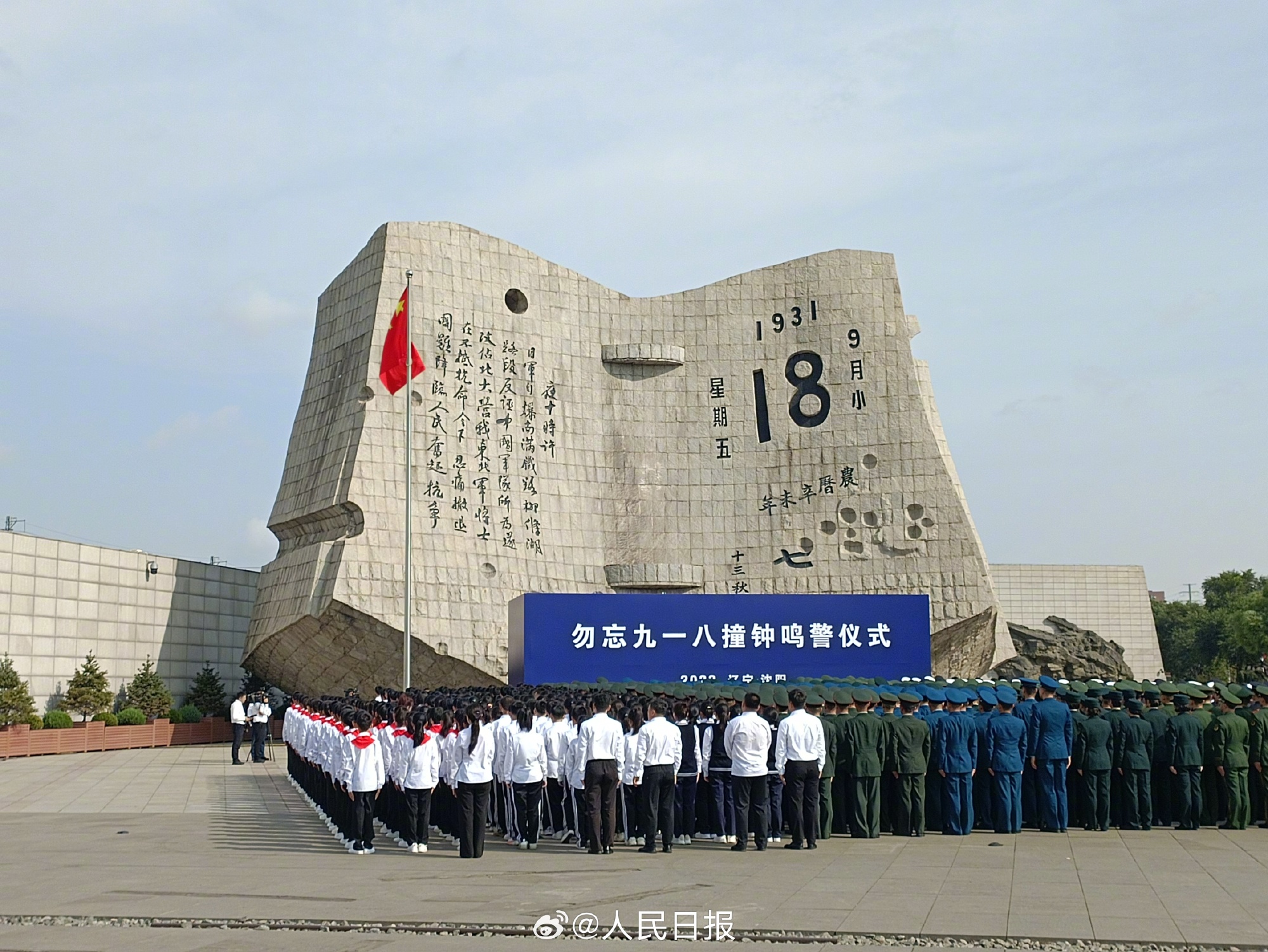
At 9:18 on Thursday morning, air-raid sirens will sound over Shenyang, and over cities across China besides. The minute of noise marks the 95th anniversary of the September 18 Incident — the night in 1931 when Japanese officers staged a railway explosion near Shenyang as a pretext to seize Manchuria, opening the fourteen-year war that merged into the Second World War. In a country where the conflict remains a load-bearing part of national memory, the date is observed less as history than as civic ritual.
The ritual's center is the museum built at the incident site in Shenyang, around a granite monument carved as a calendar page frozen at September 18, 1931. Each year fourteen representatives strike a bell fourteen times — one for each year of resistance — and at 9:18 the city's sirens erupt for three minutes while drivers lean on their horns on the roads below. This year's "Never Forget September 18" ceremony was carried live by national and Shanghai state media, as it is every year.
A newer layer of observance has grown up online. On the eve of the anniversary, Weibo fan communities post what they call entertainment-blackout notices (禁娱公告): from midnight to midnight, super-fan group chats suspend all celebrity content — no photos, no fan edits, no tagging of artists. A typical notice this year laid out the rules precisely: entertainment posts stop for twenty-four hours, check-ins still work, and members should "speak rationally and honor the history." Fandom — usually the most effervescent corner of Chinese social media — goes deliberately quiet, and the silence is itself the tribute.
This year's anniversary also arrived with sharper edges than usual. A People's Daily commentary published for the date argued that Japan "has no future unless the root of its illness is removed," faulting Tokyo for textbook revisions, officials' shrine visits and a defense white paper it called a smear — the latest sign of how quickly historical memory surfaces in present-day disputes between the two governments. A separate trending claim that Japanese "distorted historical views" have contaminated American AI models had already shown the same reflex at work, tying wartime history to the technology politics of 2026.
The sirens will fade by 9:21. What they mark has not: a war that Chinese schools, museums and social platforms keep in constant repair, and that still sets the terms — emotional and diplomatic — on which China and Japan meet.