Gufeng Singer Wuen Dies at 41, and His Death Becomes a National Lesson in a Cancer That Hides
The gufeng singer Wuen died on October 30 at 41 after nearly seven years with gastric cancer. Within hours, Chinese social media had turned his obituary into the country's biggest health story of the day: an explainer on signet-ring cell carcinoma, a rare stomach cancer whose early symptoms mimic ordinary gastritis.
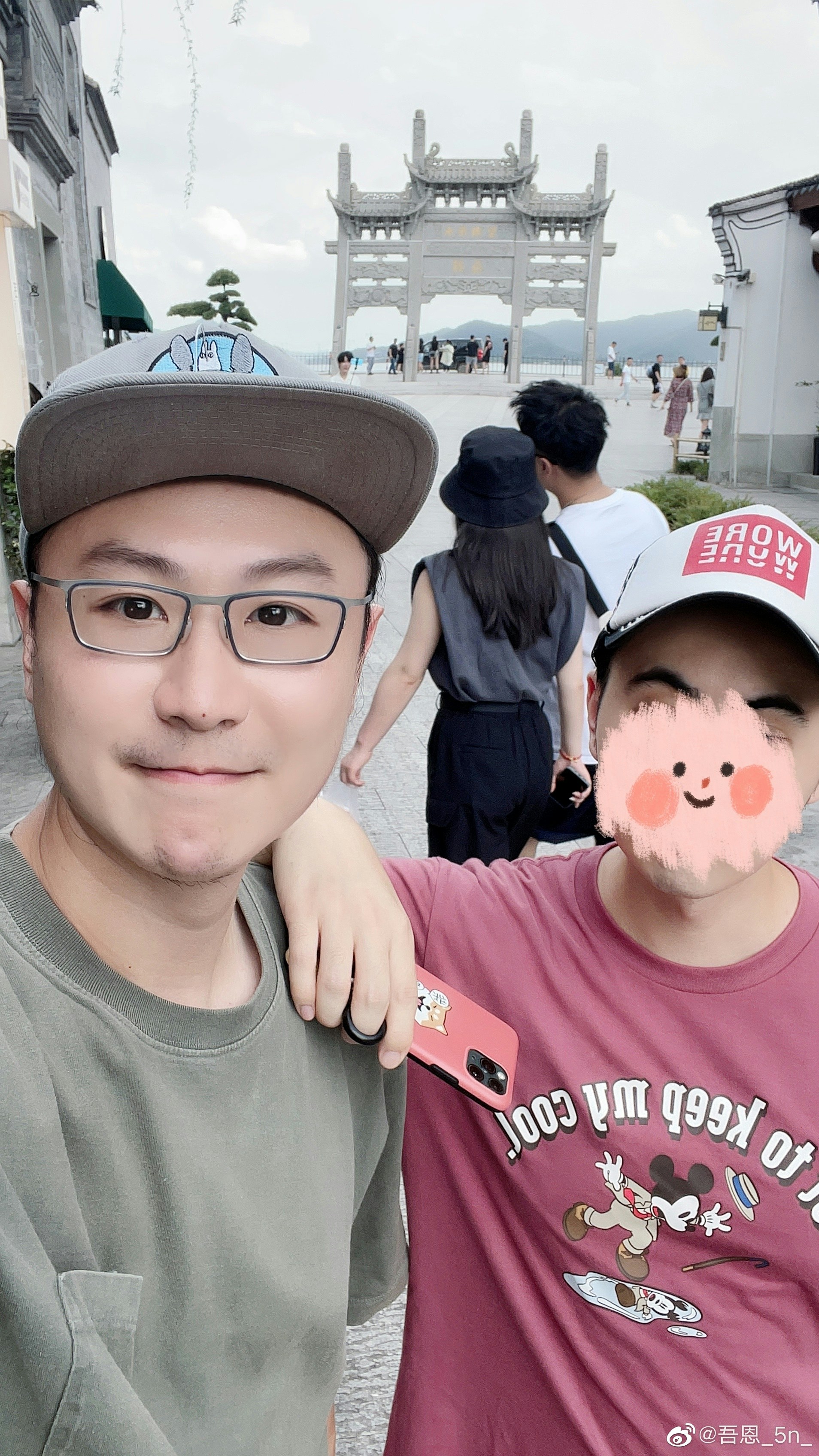
"Friends, Wuen left in the early hours of last night" (小伙伴们,吾恩昨晚凌晨走了). That was the entire announcement, posted on Friday morning by the partner of the singer Wuen — and within hours it had been liked more than 100,000 times, with the hashtag "Wuen has passed away" sitting at the top of Weibo's trending list.

Wuen, 41, was a founding-generation singer in gufeng, the "ancient-style" music scene whose singers write new songs in the cadences of classical Chinese poetry. He was a member of the music team Luanfengming (鸾凤鸣), and had lived with gastric cancer for nearly seven years — publicly, as it happened. In August he wrote that his illness had entered its final stage. His fans and fellow musicians, a community that spans both the music platforms and Weibo, had been following the decline since.
What followed the announcement was less a moment of silence than a mobilization. Within hours, doctors and health media had turned the death notice into a public-health briefing, and a second hashtag — "the signet-ring cell carcinoma that is best at disguising itself" — was trending alongside it.
Signet-ring cell carcinoma is a rare subtype of stomach cancer that oncologists call the "king of gastric cancers," and the name describes the cell: mucus pushes its nucleus to one side, leaving a ring shape. Its behavior is what makes it dangerous. Unlike ordinary gastric adenocarcinoma, it does not form a lump; the cells seep through the stomach wall like sand, so routine scans — and even a first gastroscopy — can come back looking normal. Its early symptoms, bloating and vague upper-abdominal discomfort, are indistinguishable from ordinary gastritis. It also skews young: it favors people in early adulthood and middle age, particularly women. One oncologist put the warning plainly: early symptoms are "almost no different from ordinary gastritis," and young people should not postpone a gastroscopy because of their age. A widely shared explainer by the account Tian Zaozao added the numbers: more than 60% of patients are diagnosed at a late stage, and the overall five-year survival rate runs from 18.4% to 44.1%.
The advice attached to the story was concrete. People's Daily's health client urged everyone to have a first gastroscopy before 45 — at 40 for anyone with a family history of gastric cancer, a helicobacter pylori infection, or chronic atrophic gastritis — then repeat it every three years on a doctor's advice.
The urgency is not abstract. This week Chinese feeds have also buried Xia Xia, a 23-year-old cancer blogger who documented her own treatment until she died on Tuesday. In that context, an obituary and a screening guideline trending together reads less like coincidence than like a reflex: the audience that came to mourn stayed to learn.
In the gufeng scene, singers cultivate personas drawn from history and legend. Over seven years of illness, Wuen's had become something more modern — a patient talking plainly to his followers about what was happening to him. On Friday, his fans and fellow musicians flooded that persona's last posts with messages of mourning.